
Best Places to See Lions in Africa: A Safari Specialist’s Guide
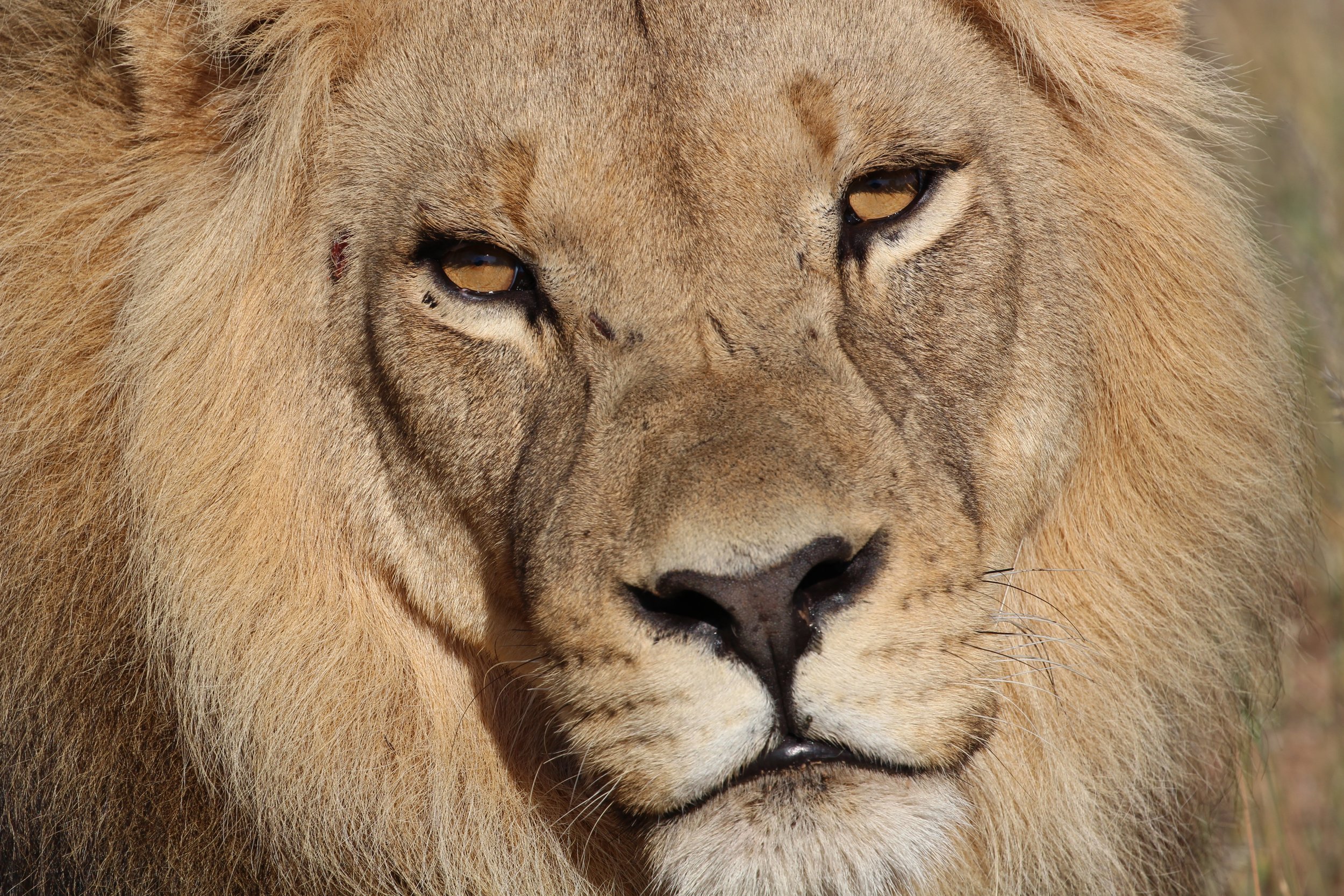
📸 The intense gaze of a top predator
A lion sighting is rarely what people expect. Not because lions are elusive — in the right places, at the right time of year, they are surprisingly accessible — but because nothing quite prepares you for the reality and wonder of being a few metres from a fully grown male. After 28 years of travelling in Africa, it remains one of the experiences I look forward to most, and one I am most often asked about by clients planning their first safari.
The honest answer to “where do I go to see lions?” is that it depends. Lion populations have declined significantly across Africa over the past century — habitat loss, human-wildlife conflict and prey depletion have all taken their toll — and they are absent from large parts of the continent where they once roamed. But in the right reserves and national parks, with good guiding and a degree of patience, a lion encounter is one of the most achievable and rewarding wildlife experiences Africa has to offer. Here is where I would send you.
Botswana: The Kalahari and the Savute
Botswana offers two distinct lion experiences, and both are among the best on the continent.
In the Kalahari, the draw is the black-maned lion — a physically distinct population, darker and heavier than their counterparts elsewhere, shaped by the demands of a harsher environment. I encountered one on my most recent trip to the Central Kalahari Game Reserve, and it is a very different sighting from anything you will find in classic savannah country. The reserve and the private concessions on its northern boundary offer excellent access in an uncrowded wilderness that relatively few visitors reach, which makes the experience all the more worthwhile.
The Savute Marsh in northern Botswana is a different proposition — bold, reliable and consistently productive for predator activity. The Savute’s prides are large and well-studied, and the marsh’s substantial buffalo herds mean that hunting behaviour is regularly observed. If witnessing lions actively hunting is on your list, the Savute is one of the best places on earth to see it.
Kenya: The Masai Mara
The Masai Mara’s reputation for lion sightings is thoroughly deserved. The Mara’s prides are large, well-habituated to vehicles and extraordinarily active, and the combination of open grassland, abundant prey and exceptional guiding makes this one of the most reliable destinations for lion viewing in Africa.
During the great migration, when wildebeest and zebra pour across the Mara River from the Serengeti, lion activity reaches its peak. The prides know the crossing points and use them to their advantage, and the resulting sightings can be spectacular. Outside migration season the Mara remains excellent year-round, and the private conservancies surrounding the reserve — Olare Motorogi, Naboisho, Mara North — offer a less crowded experience with the added benefit of night drives and off-road access that the national reserve does not permit. Naboisho is home to the massive Ilkisiusiu pride — a super pride of over 40 individuals, which makes for a spectacular sighting.
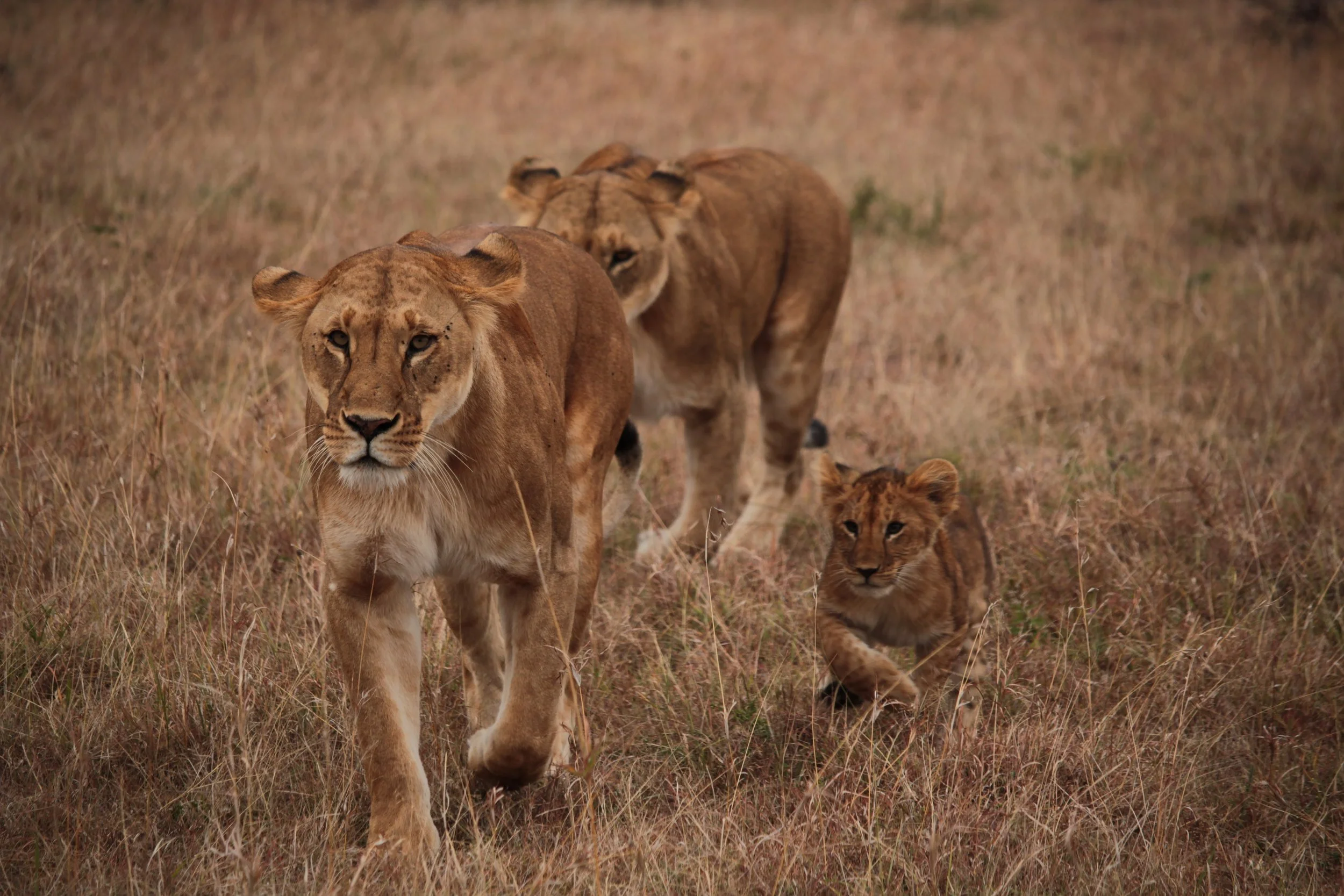
📸 Pride members on Kenya’s Naboisho Conservancy
Tanzania: The Serengeti, Ngorongoro Crater and Ruaha
Tanzania offers some of the most varied lion viewing on the continent, across three very different environments.
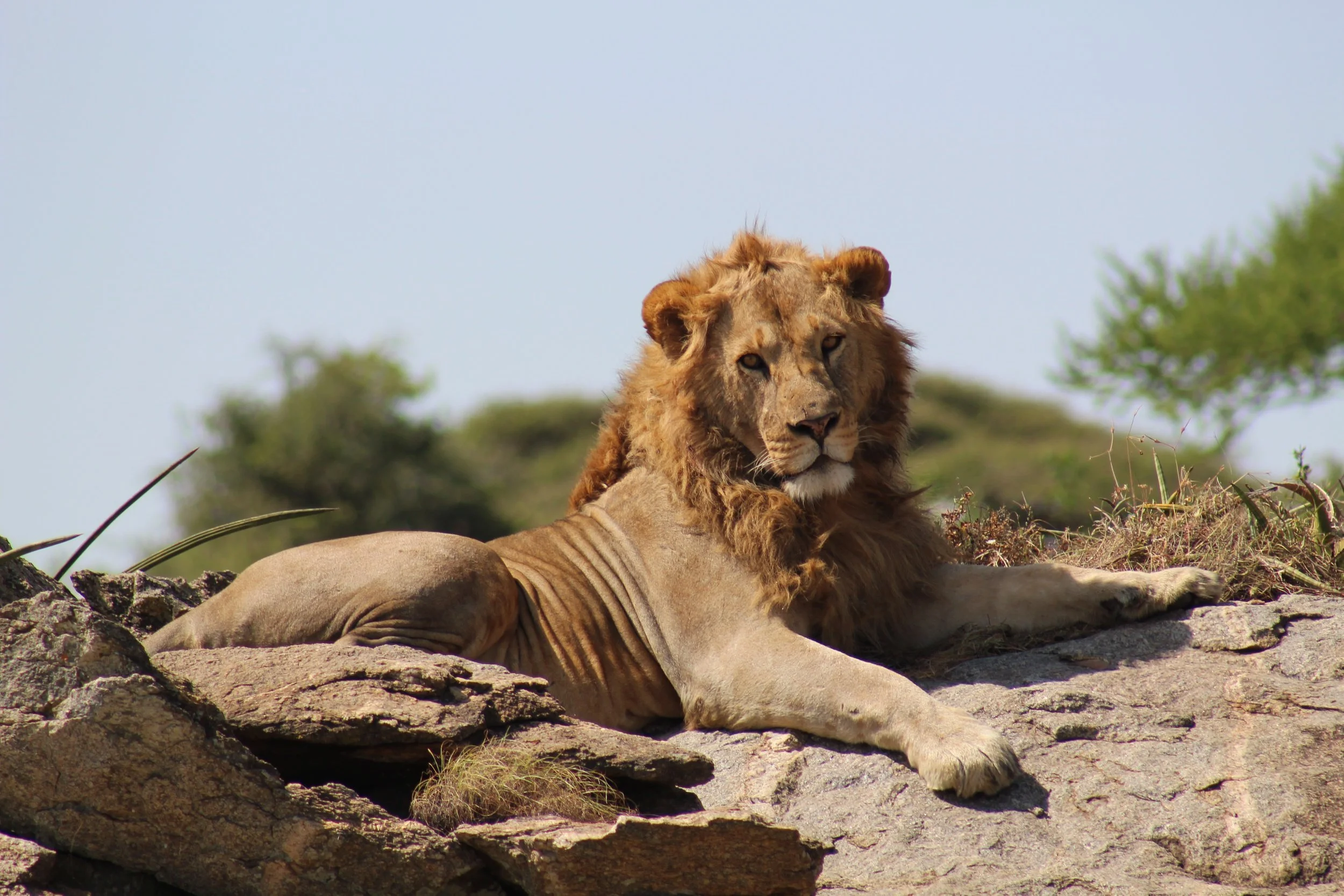
The Serengeti is vast, and lion distribution moves with the migration and the seasons. The southern Serengeti is exceptional from January to March when the wildebeest calving takes place — an extraordinary concentration of prey that keeps predators, including large lion prides, well fed and highly visible. The central and northern Serengeti are productive year-round, and the Serengeti’s kopjes — rocky outcrops scattered across the plains — are classic lion habitat and worth seeking out.
Ngorongoro Crater is in a category of its own. The crater floor holds one of the densest lion populations in Africa, in a contained ecosystem that makes sightings almost inevitable. The lions here have developed a distinctive dark mane as an adaptation to the crater’s cooler temperatures — another example of how environment shapes these animals over time. It is not a wilderness experience in the way the Serengeti is, but for sheer lion density it is hard to match.
Ruaha National Park deserves a mention in any serious conversation about lion viewing in Africa. Tanzania’s largest national park holds an estimated 10% of the world’s remaining lion population, and its prides are notably large — groups of 20 or more are not unusual. It is also one of the least visited of Tanzania’s major parks, which means the experience is far more exclusive than the Serengeti or the Crater. Ruaha is a destination for the traveller who wants outstanding predator viewing without the crowds, in a vast and varied landscape that also supports significant populations of wild dog, cheetah and elephant.
South Africa: Sabi Sand and Kruger
South Africa’s private game reserves offer some of the most intimate lion encounters available anywhere. The Sabi Sand, which shares an open border with Kruger National Park, is home to well-habituated lion prides that have been followed and documented by guides for generations. The guiding standard here is exceptionally high, and unlike Kruger, where off-road driving is not permitted at all, Sabi Sand guides can drive off-road to track and position the vehicle around a sighting — getting you far closer to the action than a national park road ever allows. Night drives are also standard at every Sabi Sand lodge, opening up a whole dimension of predator activity that most national parks cannot offer.
Kruger itself, particularly the private concessions within the park, is consistently productive for lions and offers a more affordable entry point to South African predator viewing without sacrificing quality.
Zambia: South Luangwa
Zambia’s South Luangwa Valley is the spiritual home of the walking safari, and encountering lions on foot is an experience that no vehicle-based sighting can replicate. The Luangwa Valley’s lion population is healthy and active, and the park’s guiding — particularly at the better camps — is outstanding.
It is worth noting that a lion sighting on a walking safari operates under different rules. You are not watching from the safety of a vehicle; you are reading the wind, the grass and the guide’s body language. It demands a different kind of attention, and produces a different kind of memory.
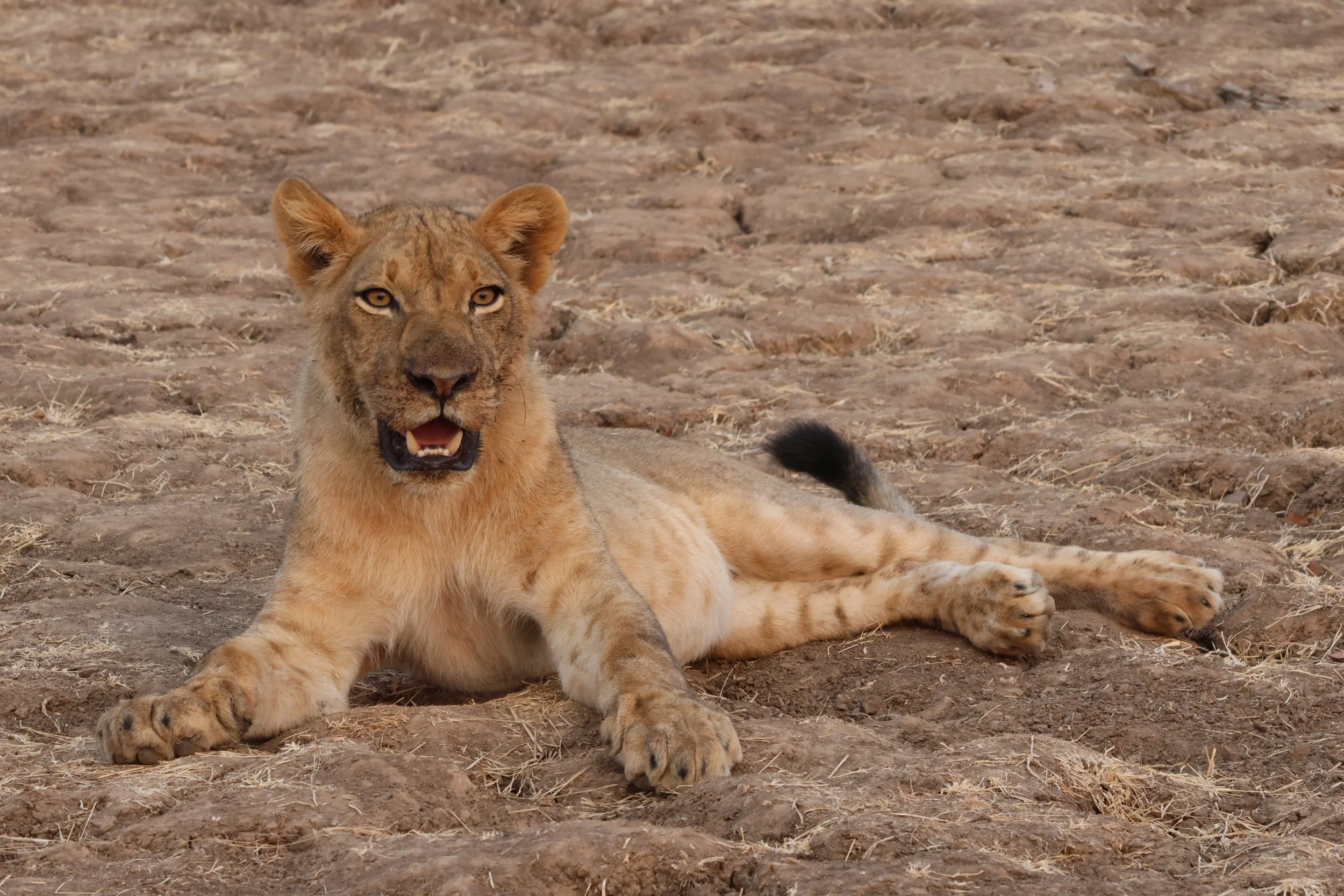
📸 A future king in Zambia’s South Luangwa Valley
What Makes a Great Lion Sighting?
Location and timing matter, but so does knowing what to look for. Early morning and late afternoon are the most productive times — lions are largely inactive during the heat of the day. Waterholes and riverbanks concentrate both prey and predators during the dry season. A good guide will read the landscape and the behaviour of other animals — particularly the alarm calls of birds and smaller mammals — to locate lions well before you see them.
The difference between a good guide and a great one often shows most clearly in a lion sighting: in the patience to wait for behaviour to develop, the knowledge to explain what you are seeing, and the judgement to know when to stay and when to move on.
A Note on Conservation
Lion populations have declined by more than 40% over the past three decades, and they have disappeared entirely from much of their historic range. Choosing a responsible operator, staying in conservancies and reserves that invest in anti-poaching and community programmes, and travelling with a specialist who understands the landscape beyond the sighting — these are not small things. The reserves that are doing this well tend also to be the places with the best lion viewing, which is not a coincidence.
If you would like help planning a safari with lions at the heart of it, I would be happy to advise.
Frequently Asked Questions
Where is the best place to see lions in Africa?
The best destinations for lion sightings include the Masai Mara in Kenya, the Serengeti, Ngorongoro Crater and Ruaha in Tanzania, the Sabi Sand and Kruger in South Africa, South Luangwa in Zambia, and the Savute Marsh and Kalahari in Botswana. Each offers a different experience — the right choice depends on your travel dates, budget and what kind of safari you are looking for.
Are lion sightings guaranteed on safari?
No wildlife sighting can ever be guaranteed, but lions are among the more reliably seen animals in the better-managed reserves. Good guiding, the right time of year and choosing a destination with a healthy lion population all significantly improve your chances.
What is the best time of year to see lions?
The dry season — broadly June to October across most of sub-Saharan Africa — concentrates wildlife around water sources and thins vegetation, making sightings easier. In Kenya’s Masai Mara, lion activity peaks during the great migration from July to October. In Tanzania’s southern Serengeti, the calving season from January to March offers exceptional predator viewing.
Can you see lions on a walking safari?
Yes, and it is one of the most extraordinary wildlife experiences available. South Luangwa in Zambia is the best destination for guided walking safaris where lion encounters are a realistic possibility. It requires an experienced guide and a calm, considered approach — and produces an encounter of a completely different character to a vehicle-based sighting.
What is a black-maned lion?
The black-maned lion is a population found in the Kalahari Desert of Botswana and South Africa, distinguished by a notably darker and fuller mane than lions found elsewhere. The difference is thought to be an environmental adaptation. The Central Kalahari Game Reserve and surrounding private concessions offer some of the best access to this population.
Why have lion populations declined?
Lion numbers have fallen by more than 40% over the past three decades, primarily due to habitat loss as human settlements expand into former wilderness areas, human-wildlife conflict as lions prey on livestock, and a reduction in prey species. Conservation efforts in well-managed reserves have stabilised or grown local populations, which is one of the reasons that choosing responsible, conservation-minded operators matters.
Is it safe to be near lions on safari?
In a properly managed safari vehicle with an experienced guide, yes. Lions are largely indifferent to vehicles and will often rest, hunt and interact entirely naturally within a short distance of them. On a walking safari, safety depends on the skill and experience of your guide — another reason why choosing a reputable operator is important.