
South Africa Safari Holidays
Bespoke South Africa safaris, expertly planned by a UK specialist with over 20 years of on-the-ground experience.
South Africa is where many of the world's great safari stories begin — and it is easy to understand why. Few destinations offer such extraordinary variety in a single trip: world-class game viewing in the private reserves surrounding Kruger, dramatic coastal landscapes on the Cape Peninsula, exquisite wines in the Winelands, whale watching along the Garden Route, and some of Africa's most intimate and innovative lodges.
Every trip I arrange is completely bespoke, ATOL protected, and backed by more than 28 years of personal experience travelling and planning safaris across this remarkable country.
Why Choose South Africa for Your Safari?
South Africa is the most accessible safari destination in Africa — not in the sense of being diluted or less wild, but in the sense of being genuinely easy to navigate and endlessly rewarding at every budget and experience level. There are direct flights from the UK, no visa requirements for British nationals, exceptional infrastructure, and a safari industry that has had decades to perfect the guest experience.
For first-time safari-goers, South Africa is often my first recommendation. The logistics are straightforward, the accommodation ranges from very good to extraordinary, and the wildlife encounters — particularly in the private concessions of the Greater Kruger — are among the finest anywhere in Africa. For returning visitors, it offers enough depth and diversity to keep drawing you back: a new region, a new lodge, a new season, a completely different side of the country
South Africa is also one of the few destinations where a truly seamless bush-coast-and-city itinerary is possible without compromise. Fly into Cape Town, spend a few nights exploring the Peninsula and Winelands, drive the Garden Route, and then fly north for a private reserve safari — all within a two-week trip that never feels rushed.
South Africa's Key Safari and Travel Areas
South Africa's diversity is its greatest strength. Each region delivers a completely different landscape, wildlife profile, and style of experience — and most itineraries combine two or three areas. Here is what each region offers, and how I typically weave them together.
Greater Kruger and the Private Reserves: Africa's Big Five Country
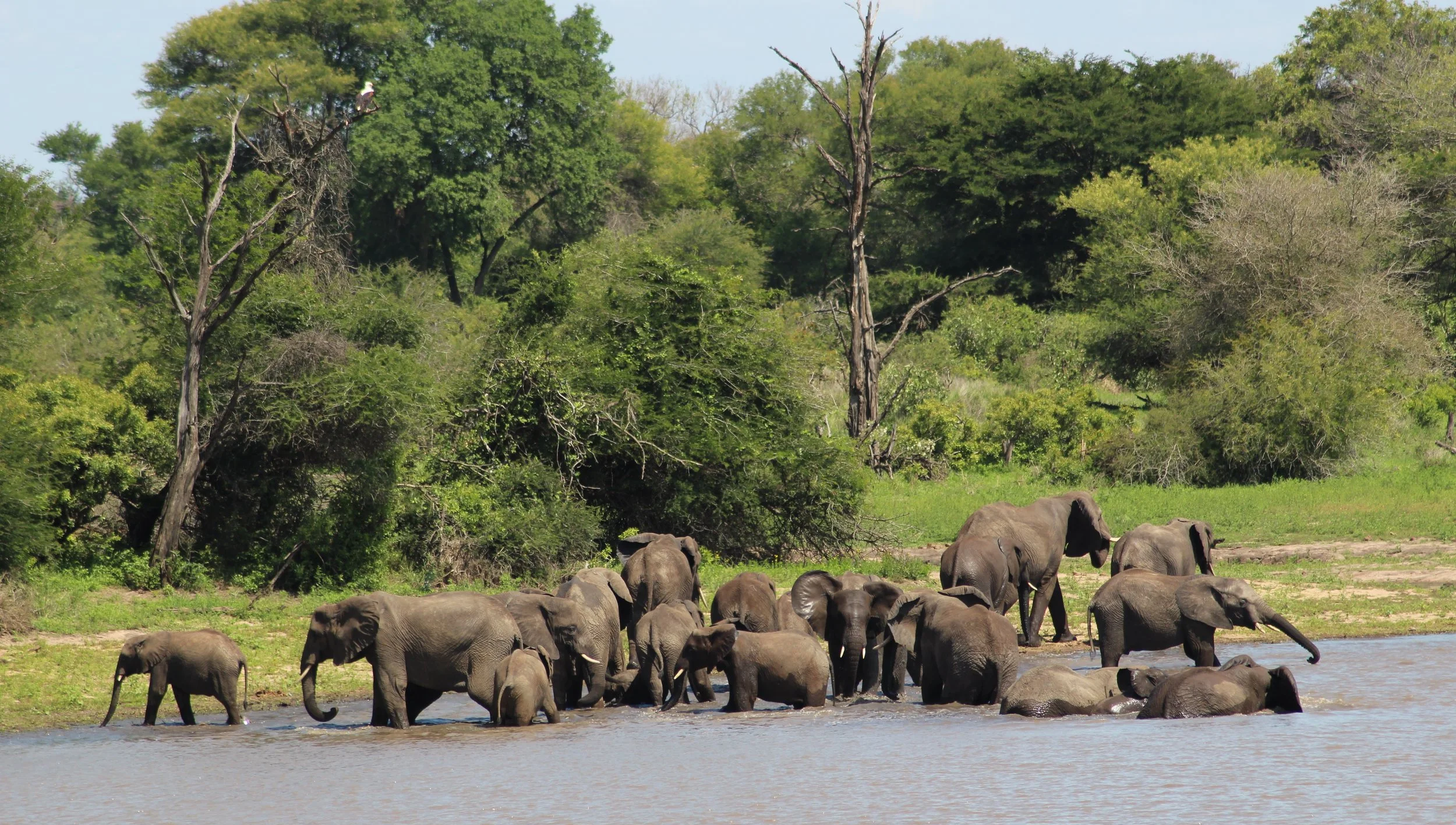
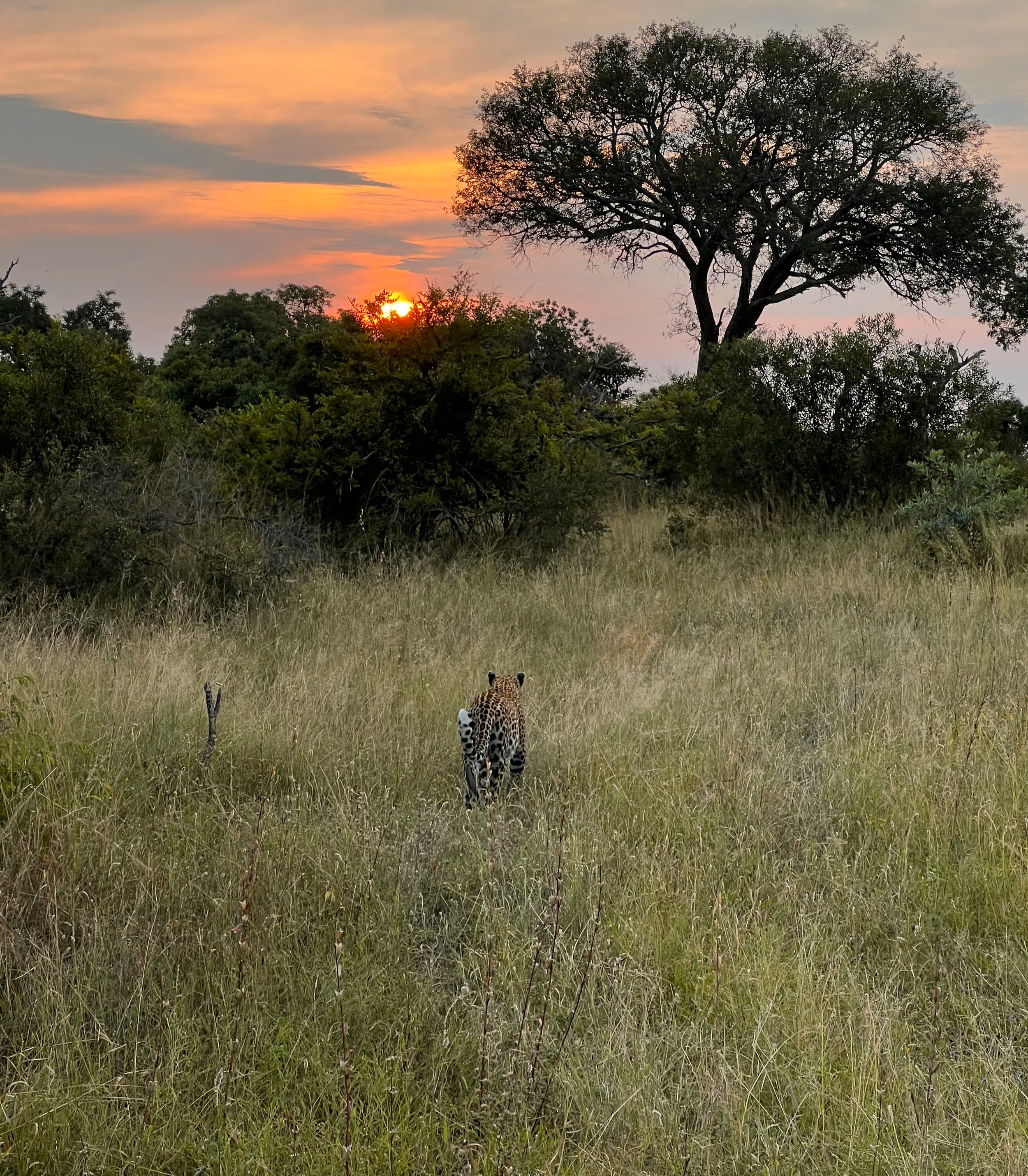
The Greater Kruger is South Africa's most celebrated safari destination, and with good reason. Stretching across more than two million hectares of bushveld, it encompasses both the national park and a series of unfenced private concessions — Sabi Sand, Timbavati, Klaserie, Thornybush — where some of Africa's most legendary lodges operate without the fences and vehicle restrictions that apply inside the park itself.
In the private concessions, you can drive off-road with expert rangers and trackers, follow animals on foot, and enjoy the kind of exclusive, unhurried wildlife encounters that are simply not possible in a park with public roads. Leopard sightings in the Sabi Sand are extraordinary — the resident cats are habituated to vehicles and will walk to within metres of your game drive vehicle. Lion prides, elephant herds, buffalo ‘dagga boys’ (older males that have left the herd), and white rhino are all regularly encountered. The Big Five are reliably seen across the Greater Kruger, but the quality of the experience in the private reserves is what sets South Africa apart.
Lucie’s recommendation: The Sabi Sands experience is outstanding where ever you stay but I like to choose smaller, intimate camps with strong reputations for quality guiding. At the high end you simply can’t beat Singita Boulders or Lebombo or Royal Malewane’s exceptional properties, and I also love Dulini River Lodge.
Cape Town and the Winelands: Africa's Most Beautiful City
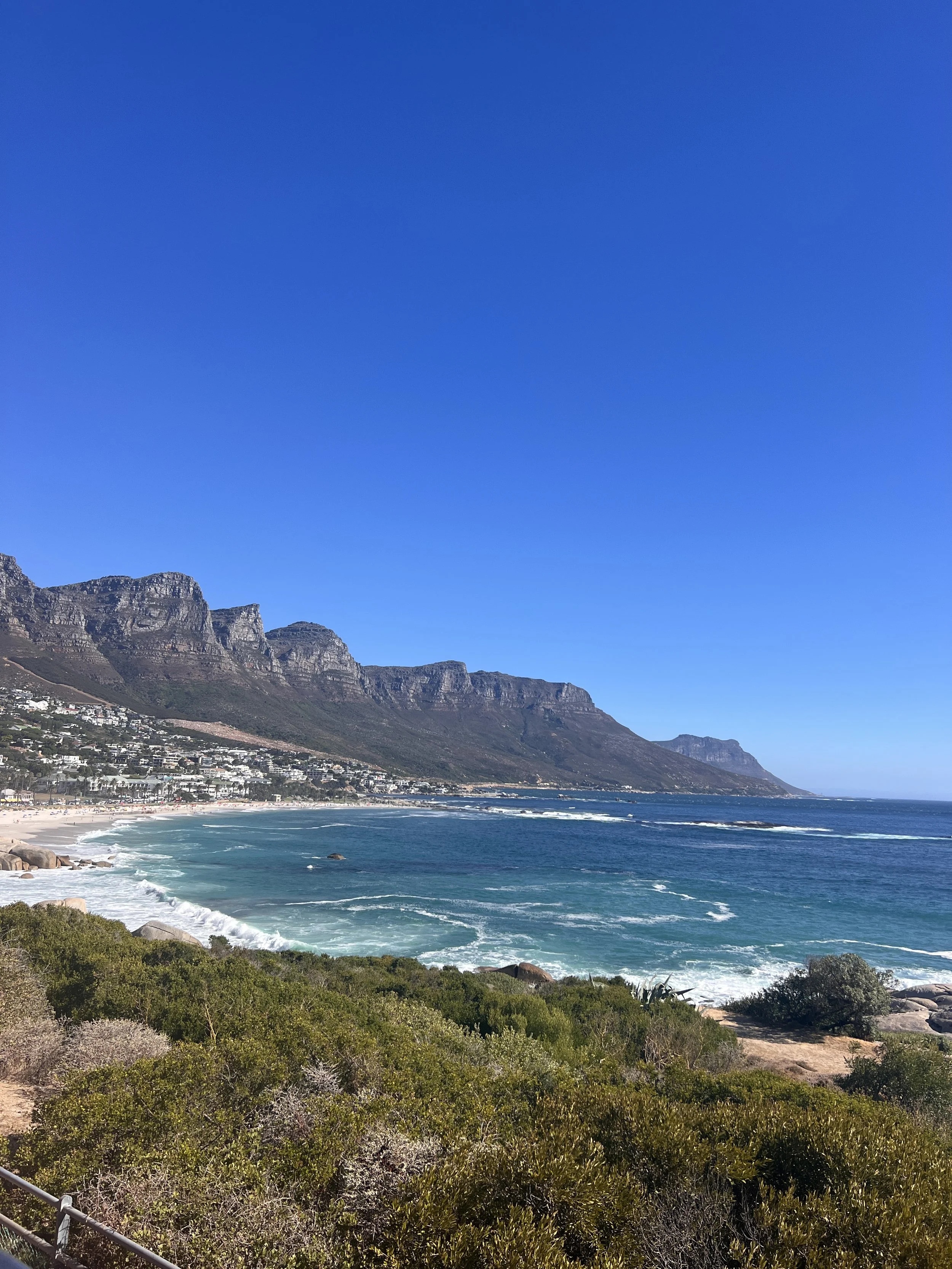
Cape Town is one of the world's truly great cities. The combination of mountain, ocean, and urban energy is unlike anywhere else in Africa. Table Mountain is the centrepiece: take the cable car at sunset, or hike one of the many trails up the face if you have the legs for it. Below it, the city spreads from the V&A Waterfront — Cape Town's most vibrant base, with exceptional restaurants, the Zeitz MOCAA gallery, and direct views of the mountain — through the colourful Bo-Kaap neighbourhood and out along the Atlantic Seaboard to Camps Bay and Clifton.
The Cape Peninsula itself deserves at least a full day. Chapman's Peak Drive is one of the world's great coastal roads — dramatic cliff-face engineering carved into sheer rock above a turquoise sea. At the southern tip, the Cape of Good Hope nature reserve offers one of Africa's most evocative landscapes: the meeting of two oceans, raw fynbos scrubland, and Cape mountain zebra and Eland wandering the clifftops. Boulders Beach near Simon's Town is home to a resident colony of African penguins — unexpectedly charming, and a genuine wildlife experience within forty minutes of the city centre.
Robben Island, where Nelson Mandela was held for eighteen of his twenty-seven years of imprisonment, is one of South Africa's most important historical sites. The boat trip across Table Bay and the guided tour — often led by former political prisoners — is a moving reminder of South Africa’s not so distant past.
The Cape Winelands: Stellenbosch, Franschhoek, and Beyond
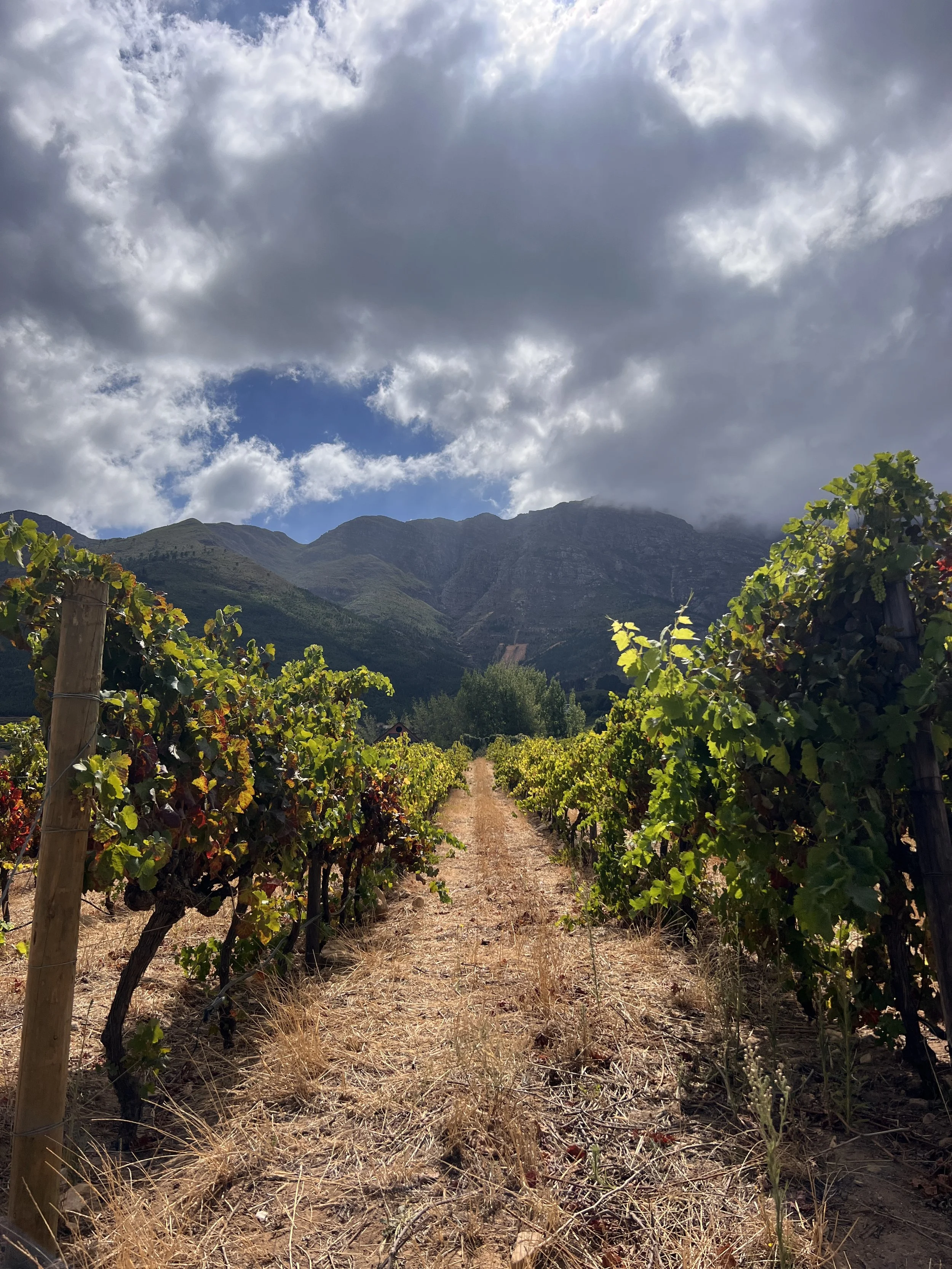
An hour east of the city, the Stellenbosch, Franschhoek, and Hemel-en-Aarde valleys form one of the world's great wine regions. Stellenbosch is the largest and most varied — a university town ringed by historic estates producing world-class Cabernet Sauvignon and Chenin Blanc. Franschhoek is more intimate and arguably more beautiful: a single main street lined with outstanding restaurants, anchored by estates like La Motte, Haute Cabrière, and the Franschhoek Motor Museum. The Hemel-en-Aarde valley, near Hermanus, is cooler and less visited — producing some of the Cape's finest Pinot Noir and Chardonnay, and ideal for travellers who want to combine whale watching with exceptional wine.
Constantia, within the southern suburbs of Cape Town itself, is the Cape's oldest wine-producing area — its estates dating to the seventeenth century. Groot Constantia, Buitenverwachting, and Klein Constantia are all within twenty minutes of the city centre and make for an excellent half-day. The accommodation across the Winelands ranges from intimate owner-run guesthouses to full-scale wine estate hotels — some of the most beautiful places to stay anywhere in South Africa. I typically suggest at least three, but preferably 6, nights across Cape Town and the Winelands as either an opening or closing chapter to a safari itinerary.
When to Visit Cape Town
Cape Town is emphatically a (southern hemisphere) summer destination. November to February brings warm, dry days with long evenings — ideal for the Peninsula, the Winelands, and al fresco dining. March and April offer excellent shoulder-season value with fewer crowds and still-warm weather. The Cape winter (June to August) is cooler and wetter on the Atlantic side, though the whale season on the Overberg coast — Hermanus and De Kelders — peaks magnificently between July and October. The Cape Doctor, the strong south-easterly wind that sweeps across the city in summer, can be fierce on exposed days, but it also keeps the air clear and the views extraordinary.
Lucie’s recommendation: In Cape Town I love to stay at Cape Cadogan, it’s in a great neighbourhood and has an excellent restaurant next door. A road trip down Chapmans Peak drive to the peninsular is always a treat for the eyes and I finally made it up the mountain on my last visit - go early and buy a fast track ticket to beat the queues. The hop-on, hop-off bus is a great way to get your bearings in the city before diving in to the various neighbourhoods, and it’s a bargain!
The Cederberg: Rock Art, Wilderness, and Luxury Lodges
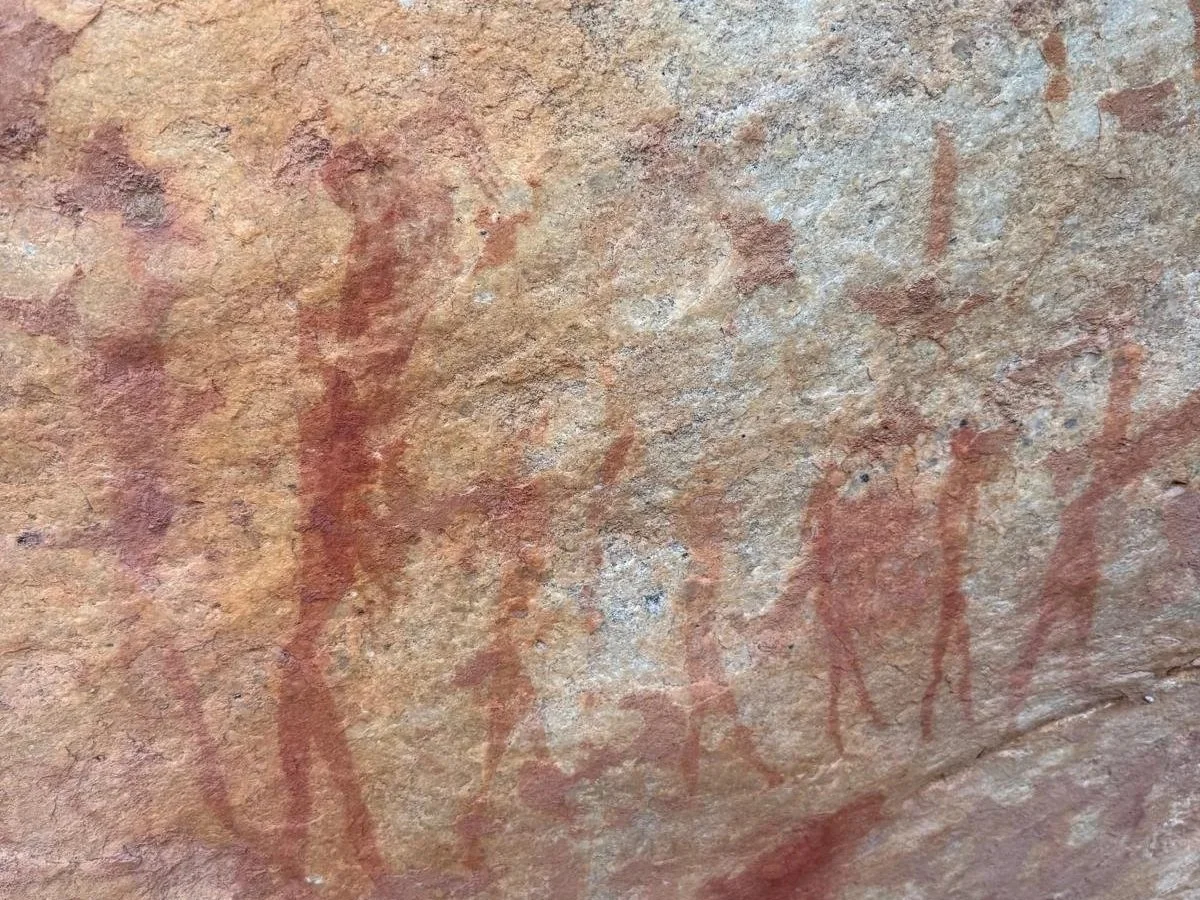
📸 : Photo credit Kate Robinson
Two to three hours north of Cape Town, the Cederberg Wilderness Area is one of the Western Cape's most extraordinary and least-visited landscapes — a vast mountain region of sandstone peaks, ancient rock formations, and a silence that is almost physical. Most visitors to South Africa drive straight past it on the N7 heading north. Those who stop discover something genuinely unexpected: a place where the landscape feels prehistoric, the stars are undimmed by any artificial light, and some of the most beautifully positioned luxury lodges in the country sit in almost complete isolation.
The Cederberg holds one of the richest concentrations of San (Bushman) rock art in southern Africa — thousands of paintings, some dating back more than six thousand years, sheltered in caves and on overhangs across the wilderness. Bushmans Kloof Wilderness Reserve and Retreat is the region's flagship property and one of the most acclaimed lodges in South Africa: a Relais & Châteaux member set on a private reserve with over 130 documented rock art sites, exceptional fynbos birding, and a level of service and food that would not be out of place in any great European country house hotel. Kagga Kamma Nature Reserve offers a more dramatic, elemental experience — luxury tented accommodation set directly among the ancient rock formations, with outstanding stargazing and guided San heritage walks.
In spring — August to October — the Cederberg and the broader Clanwilliam district come alive with one of the world's great wildflower displays. The Namaqualand and Olifants River Valley carpets of colour draw photographers from across the world, and the timing aligns perfectly with the Western Cape whale season. For the right traveller — curious, unhurried, with an appetite for landscape and cultural depth alongside luxury — the Cederberg is one of South Africa's most rewarding detours. I include it selectively in Cape-based itineraries where a client wants something genuinely beyond the obvious.
The Garden Route: South Africa's Great Road Trip
The Garden Route is one of Africa's most rewarding self-drive experiences — a stretch of coastline, forest, and estuary between Mossel Bay and Storms River that combines extraordinary scenery with genuine wildlife interest. Southern Right Whales calve in Hermanus Bay from June to November in one of the world's most accessible whale-watching locations. The Knysna lagoon, the Tsitsikamma National Park, and the Cango Caves near Oudtshoorn add variety to what is already one of South Africa's most beautiful regions.
The Garden Route works particularly well as a self-drive link between Cape Town and Port Elizabeth (Gqeberha), either before or after a Kruger safari. It is also excellent for families, offering a mixture of gentle adventure, wildlife, and coastal beauty that suits all ages.
KwaZulu-Natal: Phinda, Thanda, and the Zulu Kingdom
KwaZulu-Natal is one of South Africa's most underrated safari regions — and one of my favourites to recommend for clients who want something a little different from the Kruger circuit. The private reserves here — Phinda, Thanda, Zulu Nyala, and the broader iSimangaliso Wetland Park — offer exceptional game viewing in a different landscape and a very different atmosphere to the bushveld of Limpopo.
Phinda Private Game Reserve, run by &Beyond, is particularly special: seven distinct habitats within a single property support all of the Big Five alongside cheetah, African wild dogs, and some of the finest birding in South Africa. The iSimangaliso Wetland Park — a UNESCO World Heritage Site — adds hippo, crocodile, and an extraordinary marine environment to the mix. KwaZulu-Natal also pairs naturally with Mozambique for a bush-and-beach itinerary using the short flight north to the Mozambique coast.
Tswalu Kalahari: South Africa's Largest Private Reserve
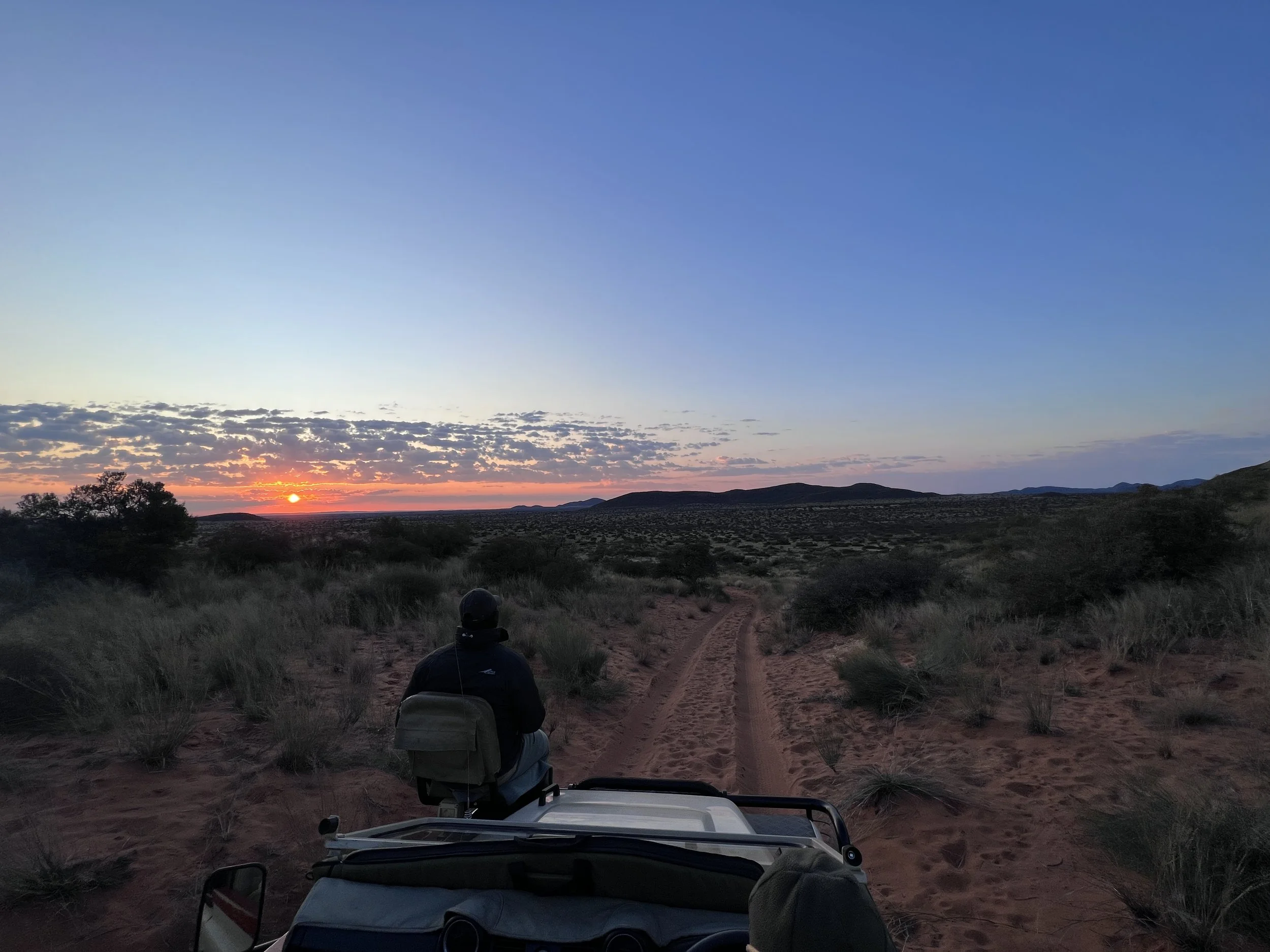
Tswalu Kalahari Reserve is in a category of its own. The largest private game reserve in South Africa — spanning more than 110,000 hectares of Northern Cape Kalahari — Tswalu operates on a model of absolute exclusivity: a maximum of 30 guests across the entire property at any one time, with all game drives conducted in private vehicles with a dedicated ranger and tracker. There are no other vehicles, no schedules, and no compromises.
The Kalahari is a very different ecosystem to Kruger or KwaZulu-Natal. The landscape is extraordinary — red sand dunes, grey camelthorn trees, golden grassland — and the wildlife profile is unlike anywhere else in South Africa. Tswalu is one of the best places in Africa to see pangolin, a remarkable and critically endangered species that rangers here have spent years habituating to vehicles. Black-maned Kalahari lions, meerkats, aardvark, bat-eared foxes, and some of southern Africa's finest star-gazing complete a safari experience that many guests describe as the most extraordinary of their lives.
Tswalu is a premium experience — it is deliberately one of the most expensive private reserves in South Africa — but for the right traveller it is entirely without equal. I would put it in the same breath as the finest camps in Botswana or Singita or Royal Malewane in the Greater Kruger, with which it pairs beautifully.
The Drakensberg: Mountains, Wilderness, and World Heritage
The Drakensberg is South Africa at its most dramatically beautiful and least understood by international visitors. The uKhahlamba-Drakensberg Park — a UNESCO World Heritage Site — protects one of the most spectacular mountain landscapes in Africa: a 200-kilometre basalt escarpment rising to over 3,000 metres, scored by river valleys and sheltering Bushman (San) rock art sites of extraordinary antiquity and beauty.
The Drakensberg is not a conventional safari destination, but it is a remarkable travel experience — best suited to active travellers who want to hike, ride, or simply sit with a view that does not end. It pairs well with a KwaZulu-Natal safari for a longer South Africa itinerary, or can stand alone for travellers looking for something genuinely different from the standard Africa circuit. The accommodation options range from comfortable family lodges to remote mountain huts accessible only on foot.
When Is the Best Time to Visit South Africa?
South Africa's size and regional diversity mean there is no single 'best time to visit' — each region has its own seasonal rhythm, and part of the planning process is matching your travel dates to the experiences you are most looking for.
| Region | Jan – Mar | Apr – May | Jun – Aug | Sep – Oct / Nov – Dec |
|---|---|---|---|---|
| Summer / Green Season | Shoulder Season | Peak Dry Season | Spring / Early Summer | |
| Kruger & Private Reserves | Hot and green. Excellent predator action and newborn animals. Fewer visitors and lower rates. Lush photography. | Cooling down. Excellent all-round game viewing. Vegetation thinning. Good value before peak season. | Peak Cool, dry, superb visibility. Wildlife concentrated at water sources. Best general game viewing of the year. | Very hot and dry Sep–Oct. Dramatic waterhole scenes. Intense predator activity. Nov: first rains, green season begins. |
| Cape Town & Winelands | Peak Warm, dry summer. Best for the Peninsula, Winelands, and al fresco dining. Long evenings. Busy and festive. | Excellent shoulder season. Wine harvest in Mar–Apr. Warm days, fewer crowds. Good value. | Cooler and wetter on the Atlantic side. Whale season begins on the Overberg coast from Jul. Good for Winelands. | Southern Right Whale peak Aug–Oct. Spring flowers. Warming from Oct. Good all-round before summer crowds return. |
| Cederberg | Hot and dry. Excellent hiking. Very quiet. Good stargazing year-round. | Pleasant temperatures. Good walking. Wildflowers begin in the valleys from Aug onward. | Cool, clear nights. Outstanding stargazing. Quietest season. Rock art sites uncrowded. | Peak Spring wildflower season Aug–Oct. Namaqualand and Clanwilliam in full bloom. Superb photography. |
| Garden Route | Summer. Warm, lush, busy. Good for families. Tsitsikamma and Knysna at their most vibrant. | Quieter. Pleasant temperatures. Excellent road tripping. Good value accommodation. | Cooler and wetter on the coast. Whale season. Fewer crowds. Dramatic coastal scenery. | Warming in spring. Wildflowers along the route. Less crowded than peak summer. Good all-round. |
| KwaZulu-Natal (Phinda, Thanda, iSimangaliso) | Hot and humid. Green season. Exceptional birding. Good value. iSimangaliso marine life excellent. | Warm and dry. Outstanding game viewing at Phinda and Thanda. Good value before peak. | Peak Dry season. Exceptional wildlife and birding. Comfortable temperatures. Rhino tracking superb. | Very hot. Dramatic skies. Good value. Excellent marine activity at iSimangaliso. Whale sharks offshore. |
| Tswalu Kalahari | Green season. Extraordinary photography. Pangolin and aardvark highly active. Fewer guests. | Transitional. Spacious and uncrowded. Excellent predator viewing. Black-maned lions active. | Cool nights. Outstanding game viewing. Black-maned lions and meerkats reliably seen. Good stargazing. | Peak Very hot and dry. Remarkable desert wildlife. Pangolin sightings. Extraordinary stargazing conditions. |
| Drakensberg | Summer storms. Lush and dramatic. Peak hiking season. San rock art sites accessible. Waterfalls full. | Peak Ideal walking and hiking. Clear days, cool nights. Excellent photography. Tugela Falls at their best. | Dry winter. Cold nights. Golden grasslands. Crystal-clear skies. Rock art sites quiet and accessible. | Spring wildflowers. Warming from Sep. Superb photography. Good for hiking before summer heat builds. |
Lucie's honest view: The private reserves of Greater Kruger are at their best between May and September — cool, dry, and exceptional for game viewing. But Cape Town is a summer destination (November to February), and the Garden Route whale season peaks between August and November. This is exactly why South Africa itineraries need careful sequencing, and why I spend time understanding your priorities before I suggest a structure. There is rarely a single 'right' answer — but there is always a right answer for you.
Is South Africa Right for You?
South Africa is perfect for:
First-time safari-goers — the infrastructure, accessibility, and quality of game viewing make it an outstanding introduction to African wildlife
Families of all ages — South Africa has an exceptional range of family-friendly lodges, and malaria-free options in the Eastern Cape and KwaZulu-Natal make it particularly suitable for younger children
Travellers who want variety — the bush-and-beach-and-city combination is uniquely achievable here in a single trip
Wine and food lovers — the Cape Winelands are world-class, and South Africa's restaurant scene has transformed over the past decade
Those seeking something extraordinary and exclusive — Tswalu Kalahari offers one of the finest wildlife experiences on the continent for travellers who want complete privacy and something genuinely exceptional
Honeymooners — from ultra-romantic private safari lodges to intimate Cape boutique hotels, South Africa delivers at every level
When I might suggest somewhere else...
If you want to get as far as possible from crowds and roads, the remote wilderness of Botswana or Zambia may suit you better — South Africa's popularity is an advantage in many ways, but the Sabi Sand on a busy weekend is not quite Botswana
If budget is the primary constraint, Uganda or Kenya's Masai Mara may offer stronger value for a wildlife-focused itinerary
Combining South Africa with Other Destinations
South Africa combines naturally with a wide range of African destinations — and because of its excellent flight connections, it works particularly well as a hub for longer regional itineraries.
South Africa and Mozambique
This is one of my most popular combinations. A private reserve safari in KwaZulu-Natal or Greater Kruger followed by the pristine Indian Ocean coast of Mozambique's Bazaruto Archipelago. The beach contrast after days in the bush is perfect, and the flight north is short.
South Africa and Botswana
A natural pairing for longer trips. The structure can work either way: Cape Town and the Winelands plus a Kruger safari, then fly to Maun for the Okavango Delta. Or Botswana first, finishing with Cape Town. This is one of Africa's great itineraries.
South Africa and Zambia
For travellers who want to combine two very different safari styles - South Africa's private reserve luxury with Zambia's more adventurous, walking-safari ethos in South Luangwa makes for a beautifully contrasting trip.
How I Plan Your South Africa Safari
South Africa is one of those destinations that looks straightforward to plan but rewards serious knowledge. The private reserves around Kruger vary enormously in size, atmosphere, and wildlife density — and the difference between a good lodge and an extraordinary one is not always obvious from a brochure. Knowing which concessions are delivering right now, which camp managers and rangers I trust, and which lodges have held their standards over time is exactly what I bring to the planning process.
I have travelled extensively across South Africa — from the Greater Kruger to the Cape Peninsula, KwaZulu-Natal, Tswalu and beyond. I work with a carefully selected group of operators across all the regions I recommend, and will only ever suggest properties I would be happy to stay in myself.
Every South Africa itinerary I plan is completely bespoke, ATOL protected, and backed by the Travel Trust Association. You will have a dedicated travel app with your full itinerary and documents, and I am available throughout your trip if anything needs adjusting.
South Africa Safari: Frequently Asked Questions
-
British nationals do not need a visa to visit South Africa for stays of up to 90 days. Your passport must be valid for at least 30 days after your planned departure from South Africa, and must have at least two blank pages for entry stamps. Note that South Africa has strict requirements for children travelling internationally — children under 18 must carry their original birth certificate, and those travelling with one parent or a non-parent guardian require additional documentation including a parental consent affidavit. I advise all clients with children to check the current Home Affairs requirements before travel.
-
South Africa has a complex safety picture that is worth understanding clearly. Cape Town, the Winelands, the Garden Route, and the safari regions are generally safe for tourists when sensible precautions are observed — as they would be in any major city or tourism destination worldwide. Urban crime exists in certain areas, and I advise clients to follow the same guidelines you would apply anywhere: avoid displaying valuables, be aware of your surroundings, and follow local advice. The safari lodge environment is extremely safe. I will always brief clients fully on the specific regions they are visiting.
-
Not entirely — malaria risk varies significantly by region. The Greater Kruger area (including Sabi Sand, Timbavati, and Timbavati) is a malaria-risk area, and prophylaxis is recommended. However, several excellent game reserves operate in malaria-free zones — notably the Eastern Cape reserves (Shamwari, Kariega, Addo Elephant National Park) and some KwaZulu-Natal reserves. If malaria is a concern — particularly for families with young children — there are excellent malaria-free alternatives that I can recommend. Please always consult your GP or a travel clinic before travelling.
-
It depends entirely on which part of South Africa you are visiting and what you want to experience. For game viewing in the Greater Kruger and private reserves, the dry season from May to September is the most reliable — game is concentrated around water sources and vegetation is low. Cape Town is a summer destination (November to February) with warm, dry days and spectacular light. The Garden Route whale season runs from June to November. I always start by understanding your priorities before suggesting travel dates, because South Africa's regional diversity means there is no universal answer.
-
South Africa spans a wider range of price points than almost any other African destination. A private reserve safari at a well-regarded lodge in the Sabi Sand, including internal transfers, and full-board accommodation, typically starts from around £5,000–£7,000 per person for a week. At the ultra-luxury end — Tswalu Kalahari, Singita Boulders, Royal Malewane — costs are significantly higher. Cape Town and the Winelands add flexibility: there are outstanding hotels at a range of price points, and the city's restaurant and wine scene means you can eat extraordinarily well without spending a fortune. I work across a range of budgets and will always be transparent about what is achievable for your dates.
For a broader look at what drives safari costs across Africa, see my full safari costs guide.
-
For a safari-only trip focusing on Greater Kruger or KwaZulu-Natal, a minimum of five nights on the reserve is ideal — allowing time to settle in and experience the full rhythm of morning and evening game drives. Add Cape Town and the Winelands and you are looking at ten to fourteen nights for a well-paced trip. Full South Africa itineraries combining a city, the Garden Route, and two safari destinations typically run to sixteen to twenty-one nights — some of our most memorable itineraries.
-
South Africa is one of the best family safari destinations in Africa. Many private lodges offer dedicated family programmes, specialist guides for younger guests, and child-friendly activities. For families with very young children, the malaria-free Eastern Cape reserves are particularly well suited. Cape Town and the Garden Route are outstanding family destinations in their own right. I have planned many family itineraries across South Africa and can advise on the right lodges and age-appropriate experiences for your children.
-
Tswalu is the largest private game reserve in South Africa — over 110,000 hectares of Northern Cape Kalahari, limited to a maximum of 30 guests at any one time. It offers a fundamentally different safari experience to the Greater Kruger: Kalahari-specific wildlife (including some of the world's best pangolin viewing), black-maned lions, extraordinary star-gazing, and absolute exclusivity. It is one of the most expensive private reserves in South Africa, but for the right traveller it is genuinely without equal. I am happy to discuss whether Tswalu is right for your itinerary.
-
Yes — Kruger National Park has an excellent network of tar and gravel roads that can be self-driven in a standard vehicle. Entry gates open at sunrise and close at sunset, and there are excellent rest camps throughout the park with accommodation ranging from basic rondavels to comfortable chalets. Self-driving Kruger is a wonderful experience and a very different one from a guided private reserve safari. Many clients combine both — a few nights self-driving in the national park followed by two or three nights in a private concession with a dedicated ranger and tracker. I can advise on both approaches and help you plan whichever suits you best.
-
South Africa's wildlife list is extraordinary. The Big Five — lion, leopard, elephant, buffalo, and rhino (both black and white) — are found across the Greater Kruger and KwaZulu-Natal reserves. Cheetah, African wild dog, giraffe, hippo, crocodile, zebra, and numerous antelope species are all regularly encountered. The Kalahari at Tswalu adds pangolin, aardvark, meerkats, and bat-eared foxes. Marine wildlife along the Cape and Garden Route includes Southern Right Whales, great white sharks, African penguins, and Cape fur seals. South Africa has over 800 recorded bird species — exceptional for serious birders.
Ready to Plan Your South Africa Safari?
Tell me about your South Africa dream — whether you have a clear vision or are simply curious about what is possible — and I will come back to you with ideas, honest advice, and a starting itinerary tailored to you. There is no obligation and no hard sell.