
Botswana Safari Holidays
Bespoke Botswana safaris, expertly planned by a UK specialist with over 28 years of on-the-ground experience.
Botswana is one of Africa's greatest safari destinations: vast, wild, deliberately uncrowded, and extraordinary in every season. Whether you are dreaming of drifting through the Okavango Delta by mokoro, watching elephant herds stream across the Chobe floodplains, or tracking wild dogs through the Linyanti, I can plan a Botswana safari that is built around exactly who you are as a traveller. Every trip I arrange is completely bespoke, ATOL protected, and backed by 28 years of personal experience travelling and planning safaris in this remarkable country.
Why Choose Botswana for Your Safari?
Botswana made a deliberate choice decades ago: low-volume, high-value tourism. The result is a safari experience that feels natural and exclusive. Camps are small — most have ten tents or fewer. Private concessions mean you can go off-road, follow animals on foot, and spend an entire morning with a leopard without another vehicle in sight.
If I were forced to name a favourite safari destination — under extreme duress, protesting loudly that I loved them all equally — it would be Botswana. Nowhere else in Africa feels quite as untouched. It is bigger than France, and half of it is full of free-roaming wildlife.
The wildlife density is extraordinary. Botswana is home to the largest elephant population on earth, concentrated around the Chobe River and fanning out across vast wilderness areas where lions, leopards, wild dogs, buffalo, and enormous numbers of plains game move freely. The birdlife is exceptional too — with over 550 recorded species, it is a paradise for wildlife photographers and birdwatchers alike.
Botswana is not the cheapest safari destination in Africa — and that is entirely by design. The cost reflects the quality of the experience and, crucially, a direct investment in conservation. When you travel to Botswana, your money is actively protecting some of the most important wilderness on the continent.
Botswana's Key Safari Areas
Okavango Delta Safari: Africa's Inland Waterworld
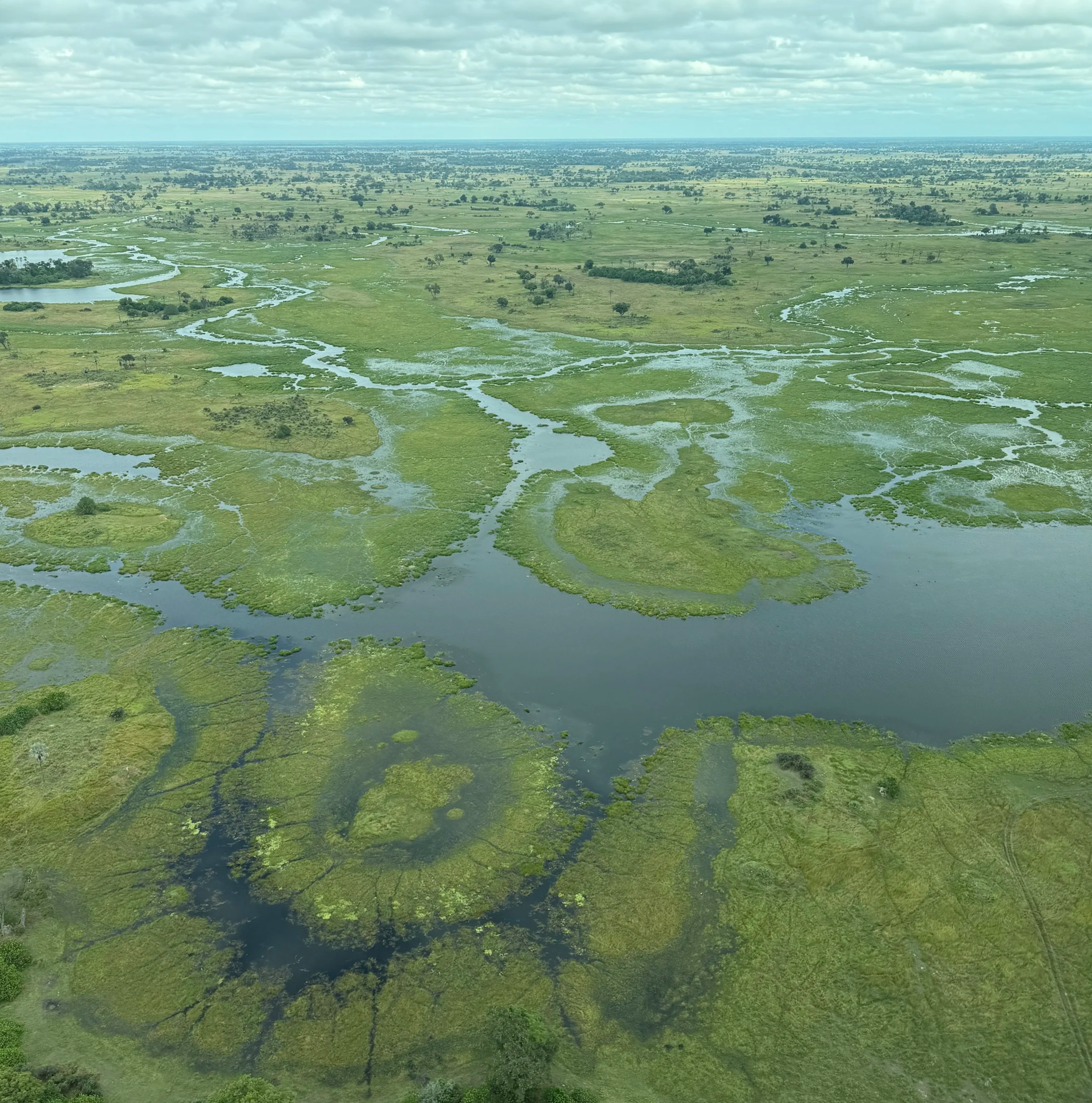
The Okavango Delta is Botswana's most iconic destination — a UNESCO World Heritage Site and the world's largest inland delta. It is one of the most extraordinary ecosystems on earth: a vast wetland that floods from within, nourished by rains that fell in Angola months earlier and travelled over 1,200 kilometres to arrive just as Botswana's dry season begins.
Most Delta camps are inaccessible by road, so you fly in by light aircraft or helicopter on a flight that gives a unique perspective of papyrus channels and lily-covered lagoons before landing on a remote airstrip. The flight is all part of the magic!
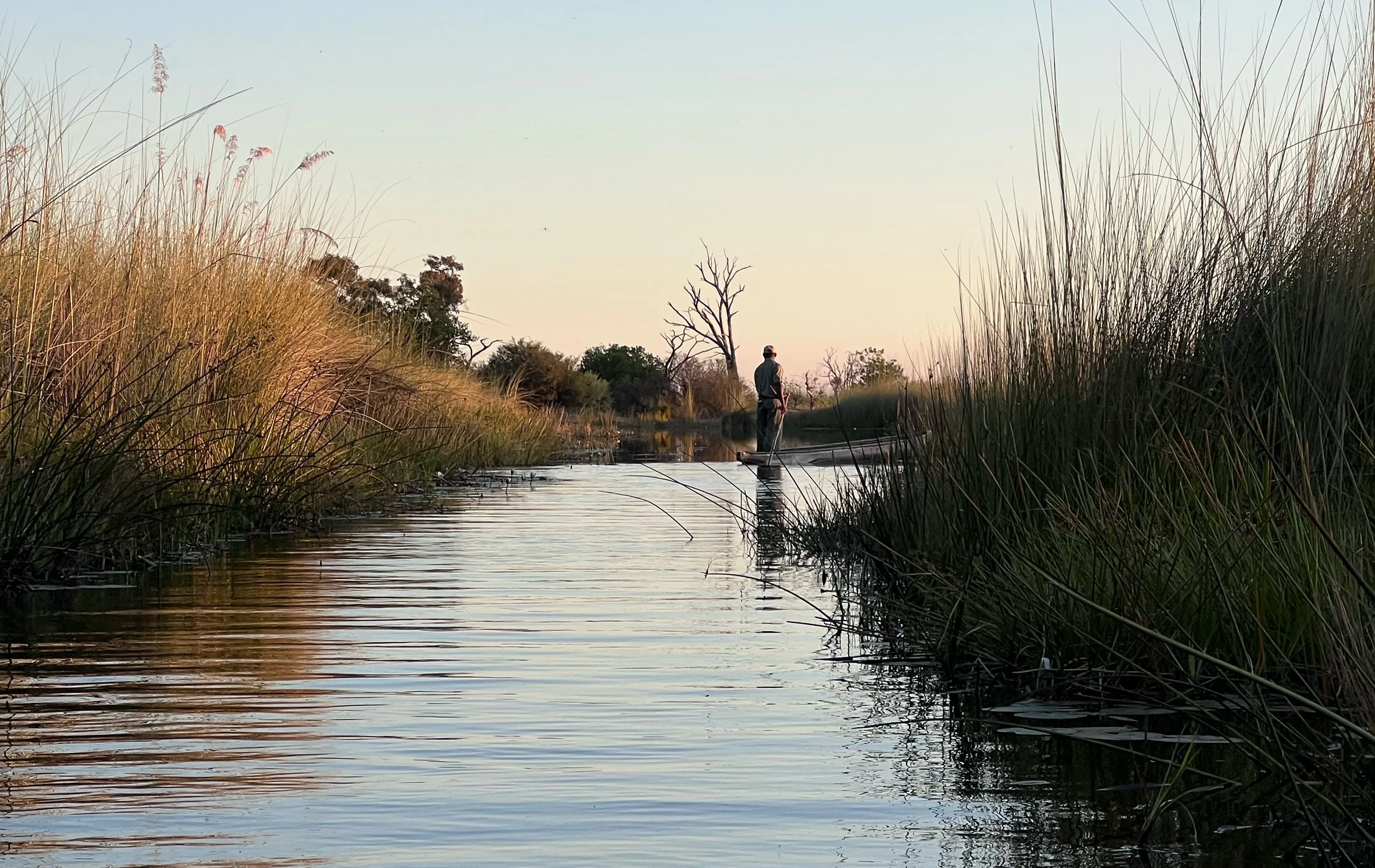
Activities vary by season and water level: mokoro safaris gliding silently through water lily channels, boat safaris and fishing as water levels rise, walking safaris on the Delta's islands, and game drives through mopane woodland and open floodplains. The wildlife list is exceptional — elephant, lion, leopard, buffalo, hippo, wild dog, red lechwe, and some of the finest birding anywhere in Africa.
Lucie's recommendation: The Okavango deserves an absolute minimum of three nights — ideally four or five. For longer stays I suggest combining two camps in different parts of the Delta to experience the contrast between deep-water channels and drier woodland areas. Camps range from authentic reed and grass or tented rooms like Delta Camp and Shinde Footsteps through to the ultra-luxury of Jao and Xigera.
The Delta changes dramatically with the seasons — my Botswana year-round safari guide explains exactly what to expect at each time of year.
Chobe National Park: Africa's Elephant Capital
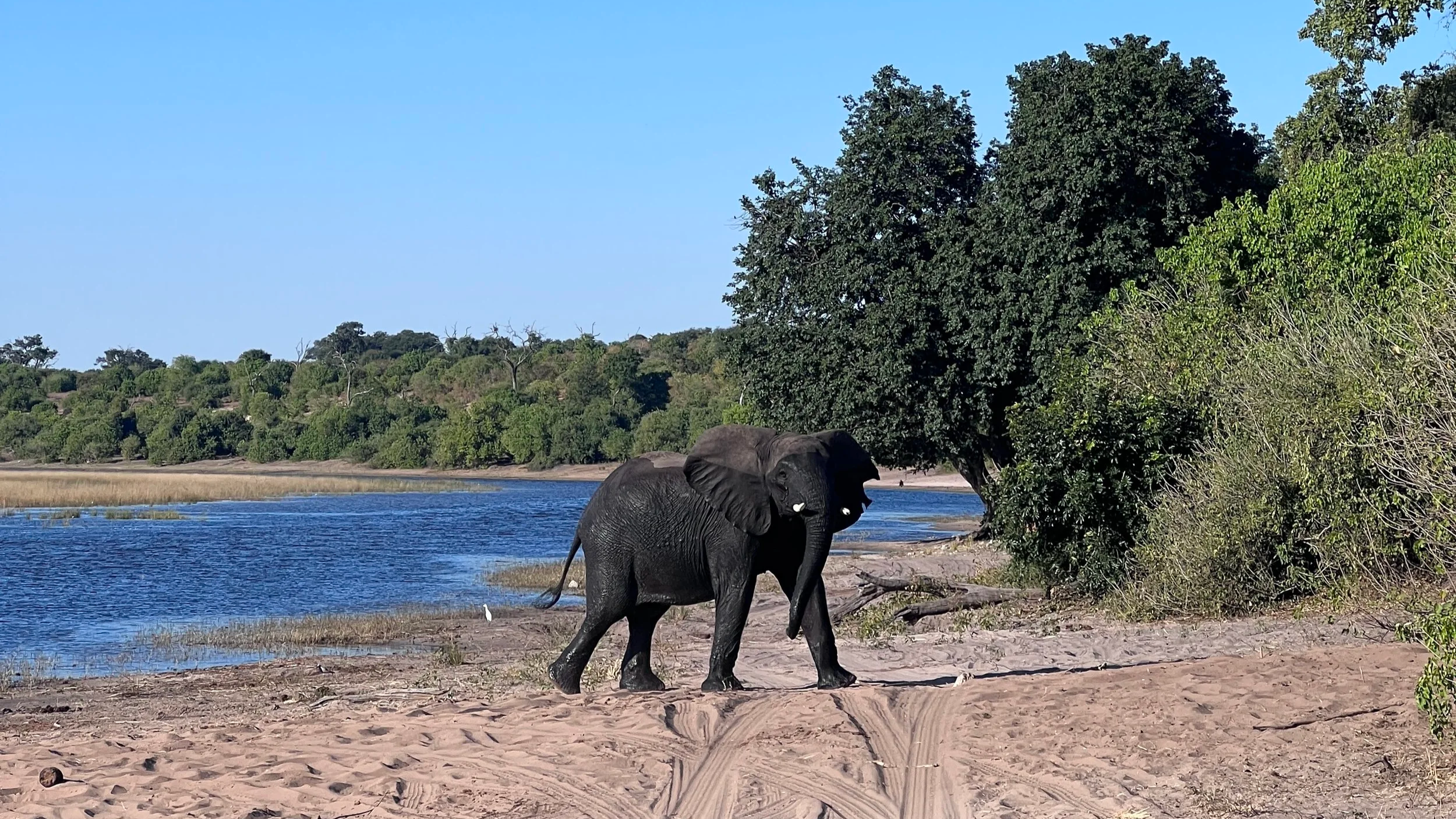
Chobe National Park is home to the largest concentration of elephants in Africa. During the dry season the Chobe River becomes a daily theatre: herds of hundreds of elephants descending to drink and swim, crocodiles lazing on sandbanks, hippos yawning in the shallows. A boat safari here — watching elephants swim across the river at eye level — is one of the most iconic wildlife experiences on the continent.
Chobe works well as a standalone destination or even better as part of a longer Botswana itinerary, and its position at the meeting point of four countries makes it easy to combine with a visit to Victoria Falls — just a short flight or road transfer away.
Lucie's recommendation: Two or three nights in Chobe is ideal — long enough for both a game drive and at least one boat safari. I particularly like pairing Chobe with the Okavango Delta for a classic Botswana combination that showcases the country's extraordinary contrast of landscapes.
The Linyanti and Savuti: Linking the Delta and Chobe
Less visited than the Delta, the Linyanti and Savuti corridor is where I send clients who have been to Botswana before and want to go deeper. During the dry season, the Linyanti River and surrounding marshes form a wildlife corridor that draws elephants, buffalo, lion, and hyena in spectacular concentrations. The Savuti Marsh is famous for its large, bold lion prides that will walk past your vehicle at close range.
The small number of camps here get booked out early precisely because discerning safari travellers know about them. If you have time for a longer Botswana trip, I strongly recommend adding at least two nights here.
Lucie's recommendation: The Linyanti is one of the best places in Africa to see African wild dogs, particularly between June and August when they are denning.
The Central Kalahari: Botswana's Best-Kept Secret
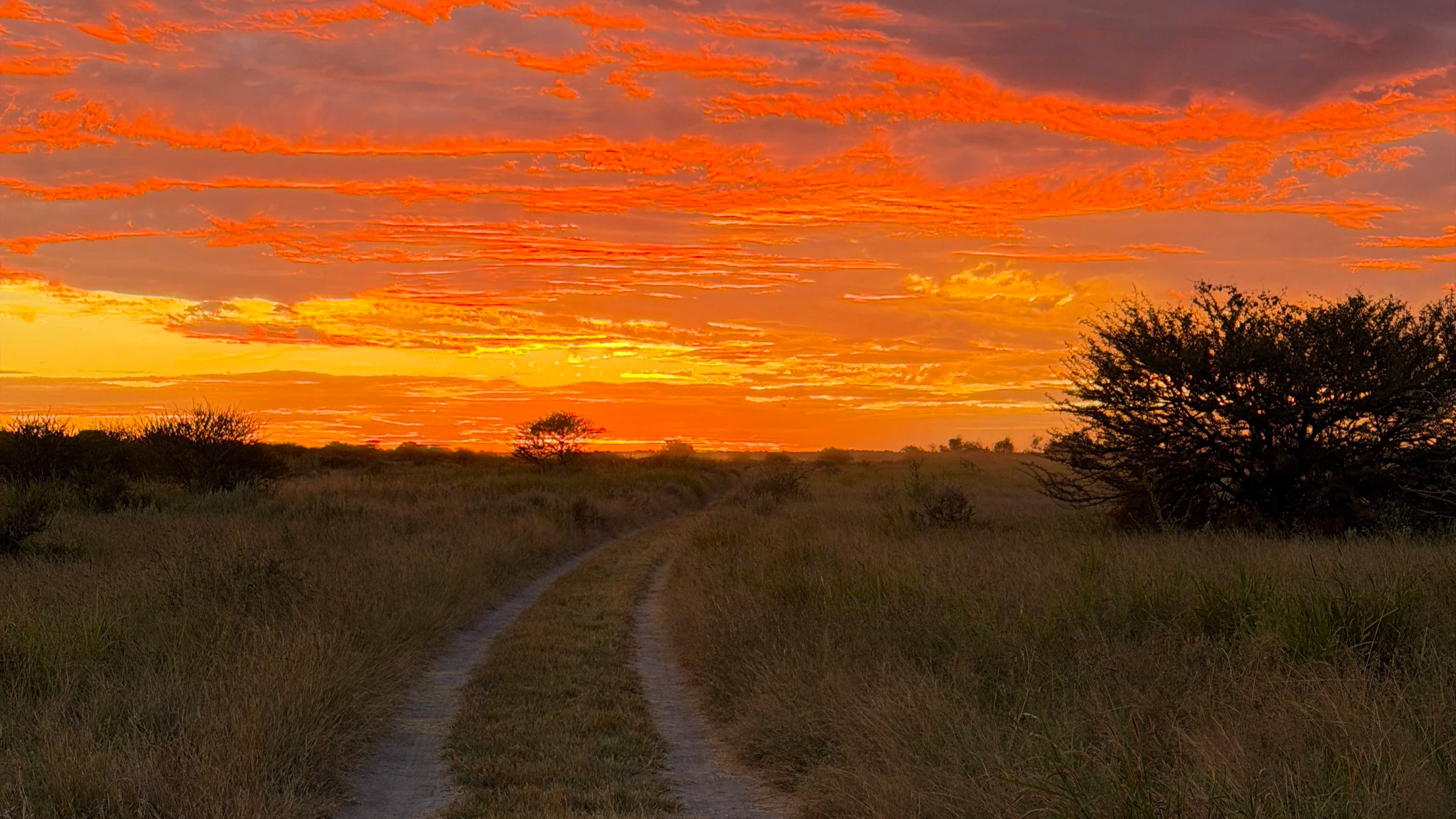
Most people don't associate Botswana with desert, and that is precisely why the Kalahari deserves attention. The landscape here is completely different from the waterways and floodplains of the Delta — vast, semi-arid, ancient — with a silence and a scale that gets under your skin.
The Central Kalahari Game Reserve is the second largest game reserve in the world and one of the most remote wilderness areas in southern Africa. A handful of outstanding safari camps sit both within the reserve itself and on private concessions along its northern border, offering exclusive access to this remarkable ecosystem with the kind of expertly guided experience that Botswana does better than anywhere.
The Kalahari's signature species is the black-maned lion — and if you have only ever seen lions in classic bush or open savannah, a Kalahari male, darker and heavier, seemingly built for this harsher landscape, is something else entirely. The reserve also supports cheetah, brown hyena, meerkats, and an extraordinary variety of raptors and birdlife. It rewards curiosity and patience, and it tends to feel like a closely guarded secret among those who know Botswana well.
Lucie's Recommendation: The Kalahari comes into its own during the green season from November through to April, when the rains transform the landscape and wildlife becomes highly active — making it a natural and often overlooked complement to a Delta or Makgadikgadi visit in the same itinerary.
The Makgadikgadi Pans: Botswana's Lunar Landscape
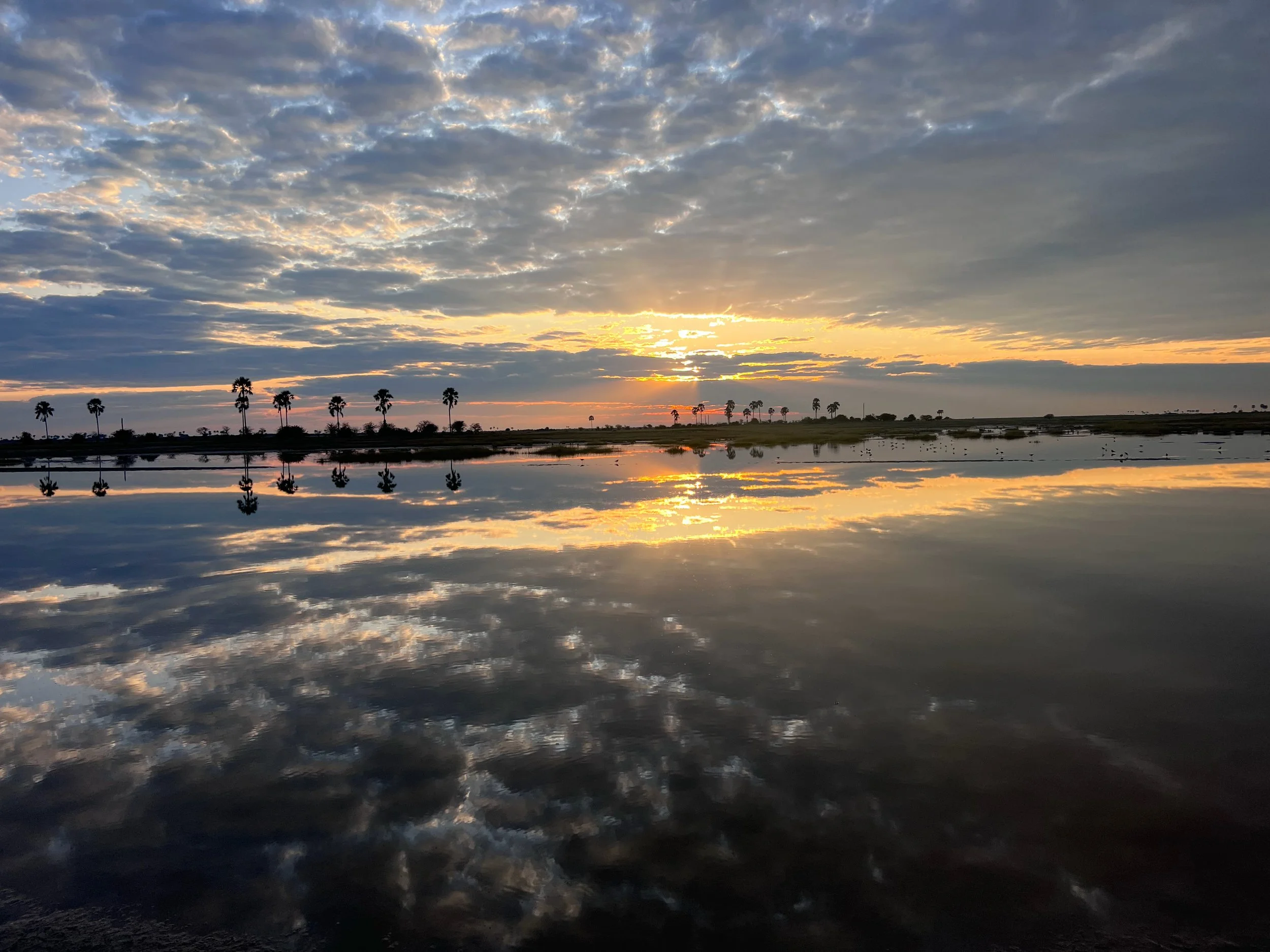
A completely different Botswana. The Makgadikgadi is one of the largest salt pan systems in the world - vast, flat, and profoundly silent. In the dry season it resembles a lunar landscape; in the wet season it transforms into something extraordinary.
This is also the setting for one of Africa's great and least-known wildlife spectacles: the Makgadikgadi zebra migration. Around 25,000 to 30,000 zebras leave the Okavango Delta in November and December, following the rains south to the Makgadikgadi Pans, where vast grasslands come alive with nutrient-rich grasses. It was only confirmed by researchers in 2012, using tracking collars, that zebras were completing this unexpectedly long return journey. The herds are followed by lion and cheetah, the pans turn flamingo-pink with shallow water, and the whole landscape is transformed.
The best time to see the migration is December to February - which also happens to be low season, meaning lower lodge prices and far fewer visitors.
This is a destination for travellers who want something unexpected - quad biking across the pans, sleeping under the starriest sky imaginable, walking with the San Bushmen and visiting habituated meerkats.
The Tuli Block: Botswana's Wild East
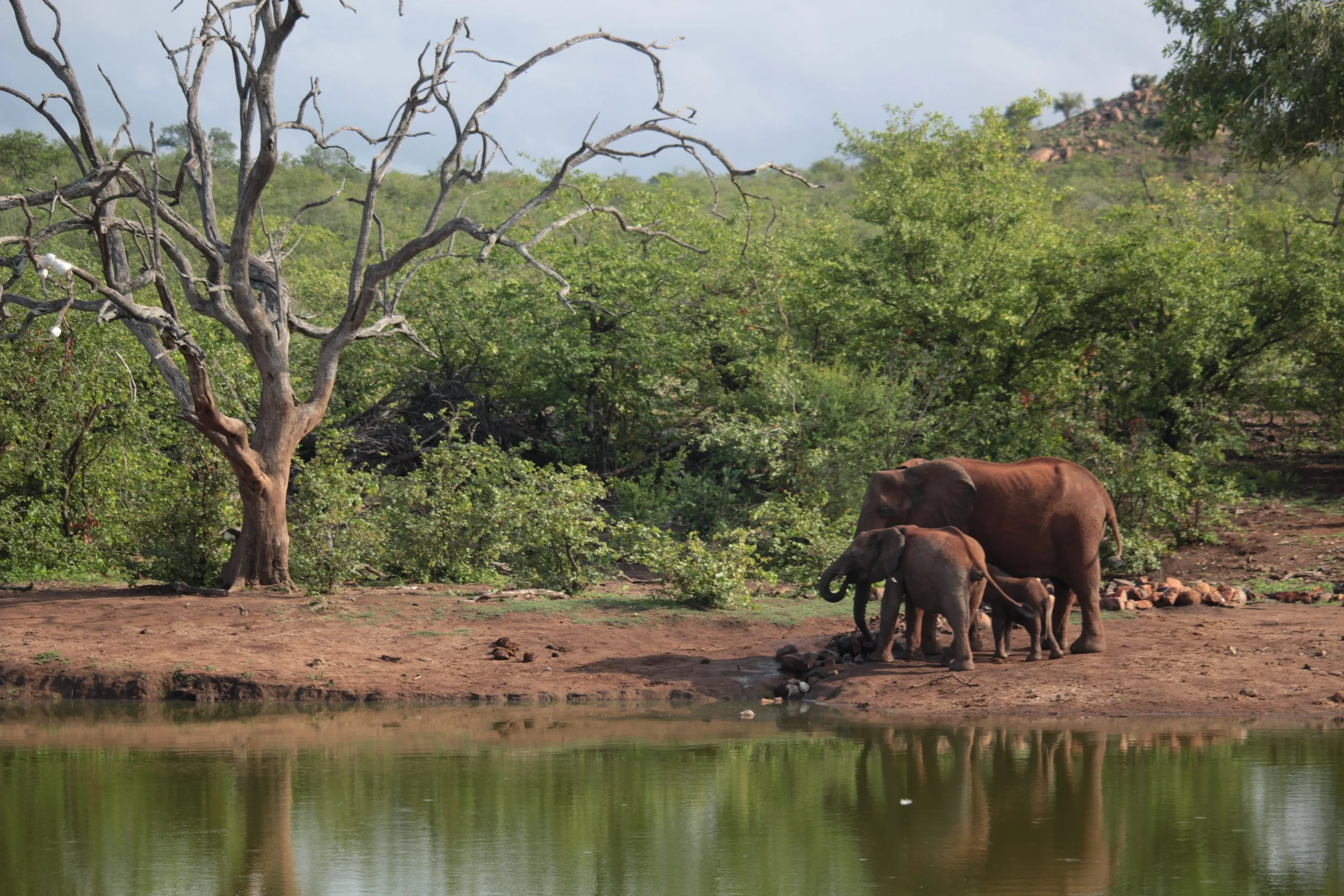
Tucked into Botswana's far south-eastern corner, where the borders of Botswana, South Africa and Zimbabwe meet, the Tuli Block is a genuinely different kind of Botswana safari. This is "the land of giants" — ancient baobabs, rocky sandstone outcrops, and some of the largest privately protected wilderness in Southern Africa, centred on the Mashatu Game Reserve. There are no other vehicles crowding your sightings here, because there simply aren't that many camps.
Tuli is unfenced from its neighbouring reserves, which means genuinely free-roaming wildlife, and the terrain — open, rocky, sparsely vegetated in places — makes for outstanding game visibility. It's particularly well known for leopard sightings and for elephant herds that gather in large numbers along the Limpopo. Activities go beyond the standard game drive too: walking safaris, mountain biking, and horseback safaris are all part of the Tuli experience in a way they aren't elsewhere in Botswana.
Lucie's recommendation: Mashatu Game Reserve is the heart of the Tuli Block — options there range from the more affordable Mashatu Tent Camp through to Mashatu Lodge and the five-star Euphorbia Villas. Tuli Safari Lodge, on the banks of the Limpopo, is another excellent choice, particularly for its walking trails and its own photographic hide. For something smaller and more remote, Koro Island Camp sits on a private island in the Limpopo, reached by a suspension bridge, with just four tents — a lovely option for guests who want real seclusion. Koro River Camp, its sister property, offers a similar intimate, low-key feel on the riverbank itself. Tuli works beautifully as a stand alone safari destination as well as an add-on to a longer Botswana itinerary, or can be combined with South Africa, given how easily it's reached by road or light aircraft from Johannesburg.
When Is the Best Time to Visit Botswana?
One of Botswana's great advantages is that it rewards travel in every season — though each time of year delivers a different experience.
| Region | Jan – Mar | Apr – May | Jun – Oct | Nov – Dec |
|---|---|---|---|---|
| Season | Green season | Transitional | Dry season | Early green season |
| Okavango Delta | Lush, quiet, lower rates | Floods rising, mokoro season begins | Peak Mokoro & boat safaris, best water levels |
Short rains, newborn animals |
| Chobe | Green, fewer crowds | Good value, river levels rising | Peak Elephant herds at the river daily |
Green season begins, quieter |
| Linyanti & Savuti | Quiet, lush | Good predator viewing building | Peak Wild dog denning (Jun–Aug), big cats |
Green season, good birding |
| Makgadikgadi | Wet-season lake, flamingos | Transitional, drying out | Lunar landscape, meerkats year-round | Peak Zebra migration begins |
| Tuli Block | Calving season, lush, best birding | Cooler, landscape drying out | Peak Best game viewing, reliable leopard & elephant sightings |
Rains build, green season returns |
Lucie's honest view: July to October is when most people visit, and for good reason — game viewing is at its most concentrated and reliable. But I have had some of my most memorable Botswana experiences in the green season (especially April and May), when the landscape is lush, baby animals are everywhere, and the camps are wonderfully quiet. The right time for you depends entirely on what you want from your safari — and that is exactly what I help you work out.
Is a Botswana Safari Right for You?
Botswana is not the right safari destination for everyone — and I would rather tell you that upfront than send you somewhere that does not match your expectations.
Botswana is perfect for:
Experienced safari-goers ready to step up from East Africa or South Africa — the remoteness, small camps, and absence of crowds deliver a genuinely different level of safari
Honeymooners looking for somewhere truly special — several Delta camps are among the most romantic places I have ever visited anywhere in the world
Wildlife enthusiasts with specific interests — wild dogs, exceptional predator viewing, extraordinary elephant encounters
Photographers who want space, extraordinary light, and wildlife encounters without other vehicles
Families with older children (12+) ready for a more immersive experience — the Delta and Chobe both have excellent family programmes
When I might suggest somewhere else first:
Botswana is not typically my first recommendation for first-time safari-goers. The remote fly-in logistics and premium price point can be overwhelming before you know what you want from a safari. For most first-timers I recommend South Africa or Kenya, where the infrastructure is more straightforward. That said, if you are an adventurous first-timer with a generous budget and a real hunger for wilderness, we should absolutely talk!
Combining Botswana with Other Destinations
Botswana combines beautifully with several neighbouring destinations. My most popular combinations:
Botswana and Mozambique — the ultimate bush-and-beach pairing. A few nights in the Delta or Chobe followed by the pristine Indian Ocean coast of Mozambique's Bazaruto Archipelago. I have recently returned from a research trip to both destinations and can recommend this combination wholeheartedly.
Botswana and Victoria Falls — a natural add-on. Victoria Falls is a short flight from Chobe and is one of the world's great natural wonders. Perfect for families or anyone wanting an adrenaline contrast to the tranquillity of the bush.
Botswana and Zambia — South Luangwa's walking safaris followed by the Okavango Delta (or vice versa!) is one of Africa's great itineraries.
How I Plan Your Botswana Safari
Planning a Botswana safari requires in depth knowledge (and great partners on the ground!) — the seasonal water levels in the Delta, which concessions are delivering exceptional game viewing right now, and which camps are worth the premium versus those trading on past reputation. This is exactly the intelligence I bring to every trip I plan.
I work with a carefully selected group of operators and lodges across all of Botswana's key areas. I visit regularly, know the camp managers and guides personally, and will only ever recommend properties I would be happy to stay in myself.
Every Botswana safari I plan is completely bespoke, ATOL protected, and backed by the Travel Trust Association. You will have a dedicated travel app with your full itinerary and documents, and I am available throughout your trip if anything needs adjusting.
Botswana Safari: Frequently Asked Questions
-
In my view, Botswana is one of the best safari destinations in Africa — but it suits certain types of traveller more than others. If you value space, exclusivity, and extraordinary wildlife density, it is absolutely worth the investment. If you are on a tighter budget or this is your first safari, I may suggest starting with South Africa or Kenya and saving Botswana for when you know exactly what you want.
-
The dry season from July to October offers the most reliable game viewing, with wildlife concentrated around water sources. June to August is cooler and ideal for mokoro safaris in the Delta. September and October bring dramatic, intense game viewing as water becomes scarce. The green season (November to March) offers lush landscapes, newborn animals, exceptional birding, and lower prices — and some of my most memorable Botswana trips have been at this time of year.
-
Botswana is a premium destination. A typical seven-night safari including internal light aircraft transfers, and full-board accommodation at two or three camps generally starts from around £6,000–£9,000 per person depending on season and choice of camps. Ultra-luxury options can be significantly higher. I work across a range of budgets and can advise on the best value options for your dates — please get in touch to discuss. For a broader look at what drives safari costs across Africa, see my full safari costs guide
-
Most Botswana safari itineraries use light aircraft transfers between camps — typically 20 to 80 minutes per flight in small planes. This is very much part of the experience, not just a logistics exercise. Luggage restrictions apply: 15kg in a soft bag plus 5kg hand luggage on light aircraft. Some camps around Chobe are accessible by road transfer.
-
Botswana is considered one of Africa's most stable and safe countries — politically, economically, and in terms of personal safety. The main health consideration is malaria: Botswana is a malaria-risk area and I strongly recommend consulting your GP or a travel clinic about prophylaxis before travel.
-
British nationals do not need a visa to enter Botswana for stays of up to 90 days. Your passport should be valid for a minimum of six months from your date of entry.
N.B. Visa requirements change, always check on your government travel advice page.
-
A minimum of five nights to do the country justice — ideally seven to ten nights across two or three camps. Combined trips pairing Botswana with Mozambique, Victoria Falls, or Zambia typically run to ten to fourteen nights in total.
-
Yes, with caveats. Botswana suits families with older children (12+) particularly well. Several operators including Ker & Downey and Great Plains have excellent family programmes with specialist guides and age-appropriate activities. For younger children, I tend to suggest South Africa or Kenya as a better starting point.
-
The Okavango Delta is a UNESCO World Heritage Site and the world's largest inland delta — a vast wetland in the middle of the Kalahari Desert, formed by the Okavango River flooding annually from rains that fell in Angola months earlier. It creates a breathtaking ecosystem of islands, channels, and floodplains that supports extraordinary concentrations of wildlife. There is genuinely nowhere else like it in the world.
-
Botswana offers outstanding wildlife viewing across the board. The Okavango Delta and Chobe are famous for elephant — Botswana has the largest elephant population in Africa. Lion, leopard, cheetah, buffalo, hippo, and crocodile are all regularly seen. Botswana is also one of the best places in Africa to see African wild dogs, particularly in the Linyanti during denning season from June to September. The birdlife is exceptional, with over 550 recorded species.
Ready to Plan Your Botswana Safari?
Tell me about your Botswana dream — whether you have a clear vision or are simply curious about what is possible — and I will come back to you with ideas, honest advice, and a starting itinerary tailored to you. There is no obligation and no hard sell.