
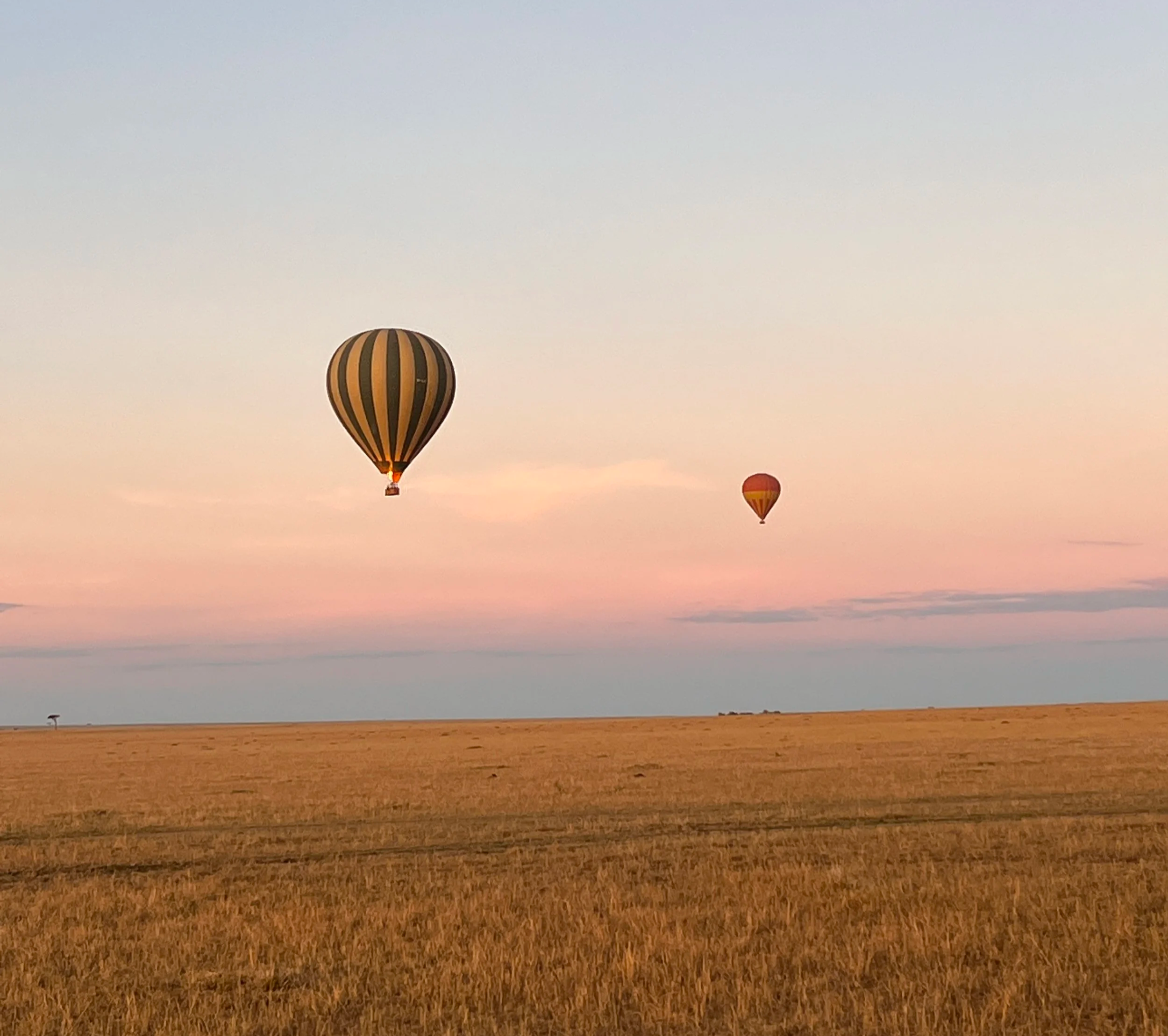
Kenya Safari Holidays
Bespoke Kenya safaris, expertly planned by a UK specialist — from the drama of the Masai Mara to the private conservancies of Laikipia.
Kenya is where so many people fall in love with Africa — and it is easy to understand why. The sheer scale of the wildlife, the drama of the Great Migration, the extraordinary diversity of landscapes from high moorland to arid desert to the open savannahs of the Mara — Kenya delivers on every level. Whether you are dreaming of watching wildebeest thunder across the Mara River, tracking elephant bulls in the shadow of Kilimanjaro at Amboseli, or exploring private conservancies in Laikipia where rhino roam freely, I can plan a Kenya safari that is built precisely around you. Every itinerary I arrange is completely bespoke, ATOL protected, and backed by personal experience travelling and planning safaris across this remarkable country.
Why Choose Kenya for Your Safari?
Kenya is one of the great classic safari destinations — and it deserves that reputation. The wildlife density in the key parks and conservancies is exceptional, and the variety of safari experiences available within a relatively compact country is extraordinary. You can be watching the Great Migration in the Masai Mara, then fly north to the arid landscapes of Samburu to spot rare species found nowhere else in East Africa, or down to Amboseli for iconic views of Kilimanjaro with elephant herds in the foreground. Few countries on earth offer this kind of diversity within a single trip.
Kenya also has some of the finest private conservancies in Africa — particularly in the Laikipia region and around the Masai Mara — where low visitor numbers, night drives, walking safaris, and off-road driving create an experience that is genuinely exclusive. These conservancies are among Africa's most important conservation success stories, and visiting them directly supports the communities and wildlife that make them possible.
The Great Migration is, of course, Kenya's greatest wildlife spectacle — and the Masai Mara provides the most dramatic setting for it, particularly at the Mara River crossings between July and October. But I always tell clients that Kenya is much more than the Migration. The resident wildlife in the Mara is outstanding year-round. Amboseli is excellent in any season. And the northern parks — Samburu, Meru, and Laikipia — reward travellers who venture beyond the well-worn southern circuit with wildlife and experiences you simply cannot find anywhere else.
Kenya’s Key Safari Areas
Kenya has many distinct safari regions, each offering a completely different landscape, wildlife profile, and style of experience. Most itineraries combine two or three areas — I can help you choose the right combination for your interests, travel dates, and budget.
Lucie’s take on Kenya: I love to use Kenya for first time safari goers as it’s such an easy and rewarding destination with abundant wildlife and wonderfully warm hospitality. Well established logistics mean it’s simple to combine different areas, either for contrasting safari destinations for a really rich safari experience, but especially the Kenyan coast for a classic Bush & Beach combination.
The Masai Mara: Kenya's Wildlife Capital
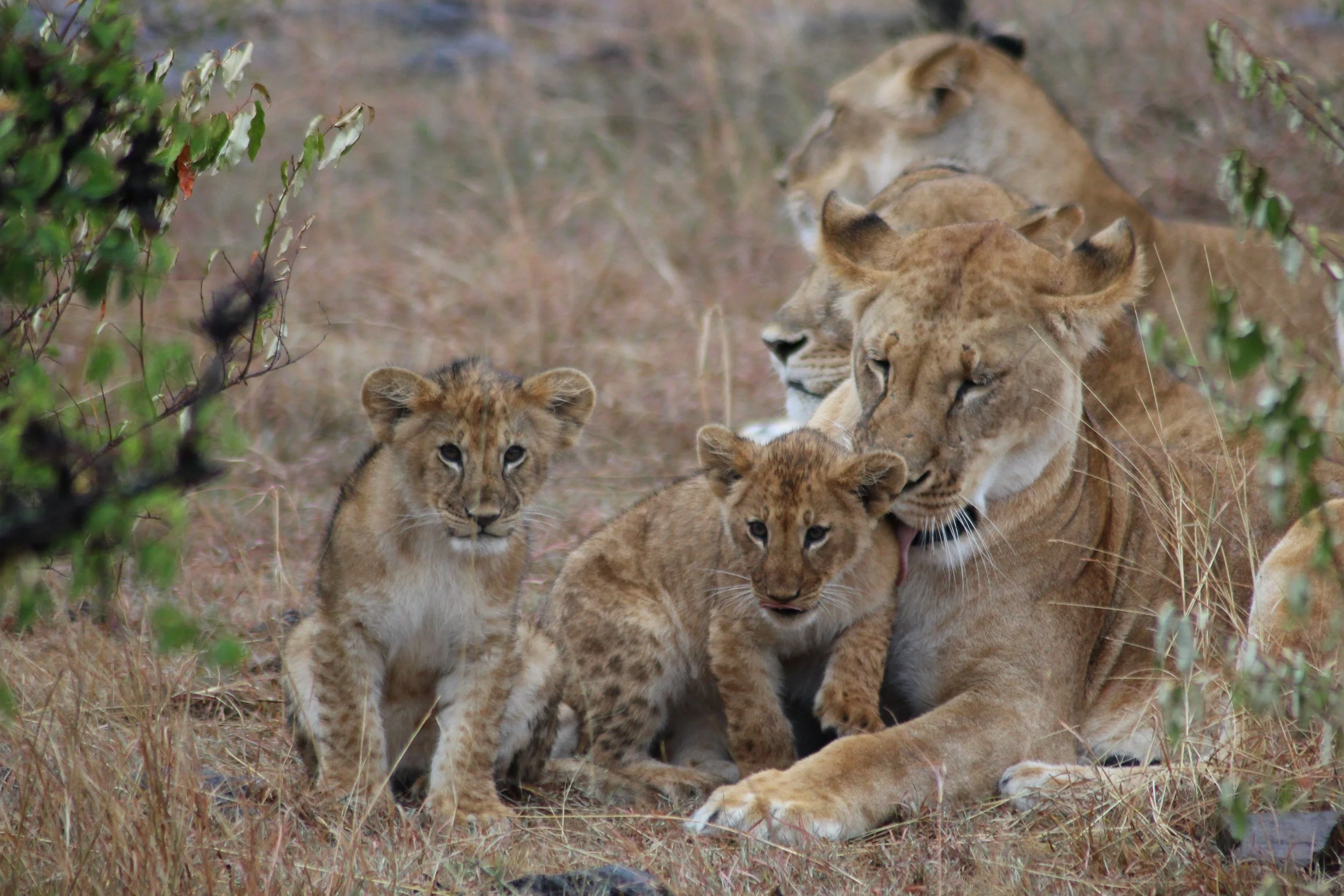
The Masai Mara is Kenya's most iconic safari destination — and one of the finest wildlife areas on earth. The open rolling grasslands of the Mara are home to the highest density of large predators in Africa: lion prides that roam freely across the plains, leopards in the fig trees along the Mara River, cheetahs that hunt in the open in full daylight, and hyena clans that rule the night. Even without the Migration, the Mara delivers an extraordinary safari.
From July to October, the Great Migration arrives in the Mara from Tanzania's Serengeti, and the Mara River crossings are among the most dramatic wildlife spectacles on earth. Hundreds of thousands of wildebeest, accompanied by zebra and gazelle, gather on the riverbank before plunging into the crocodile-filled water in their relentless push northward. No two crossings are the same. September and October often offer the best combination of crossing activity and slightly lower visitor numbers than the peak of August.
The key decision in the Mara is whether to stay in the national reserve itself or in one of the private conservancies that border it — Ol Kinyei, Naboisho, Mara North, Olare Motorogi, and others. The conservancies offer a markedly better experience: fewer vehicles, night drives, walking safaris, off-road driving, and camps with exclusive access to vast private lands. I almost always recommend a conservancy camp for at least part of a Mara stay.
Lucie’s take on the Mara: The Mara has (rightfully) come in for a lot of criticism recently for overcrowding at sightings and bad behaviour of guides and visitors alike. Whilst measures are being put in place to rectify this I always recommend staying at a camp based on a Conservancy, where vehicle numbers are limited, for at least part of a visit to the Mara area. It’s also really worthwhile planning as far in advance as possible as budget and mid-range camps sell out the fastest!
Samburu National Reserve: The Wild North
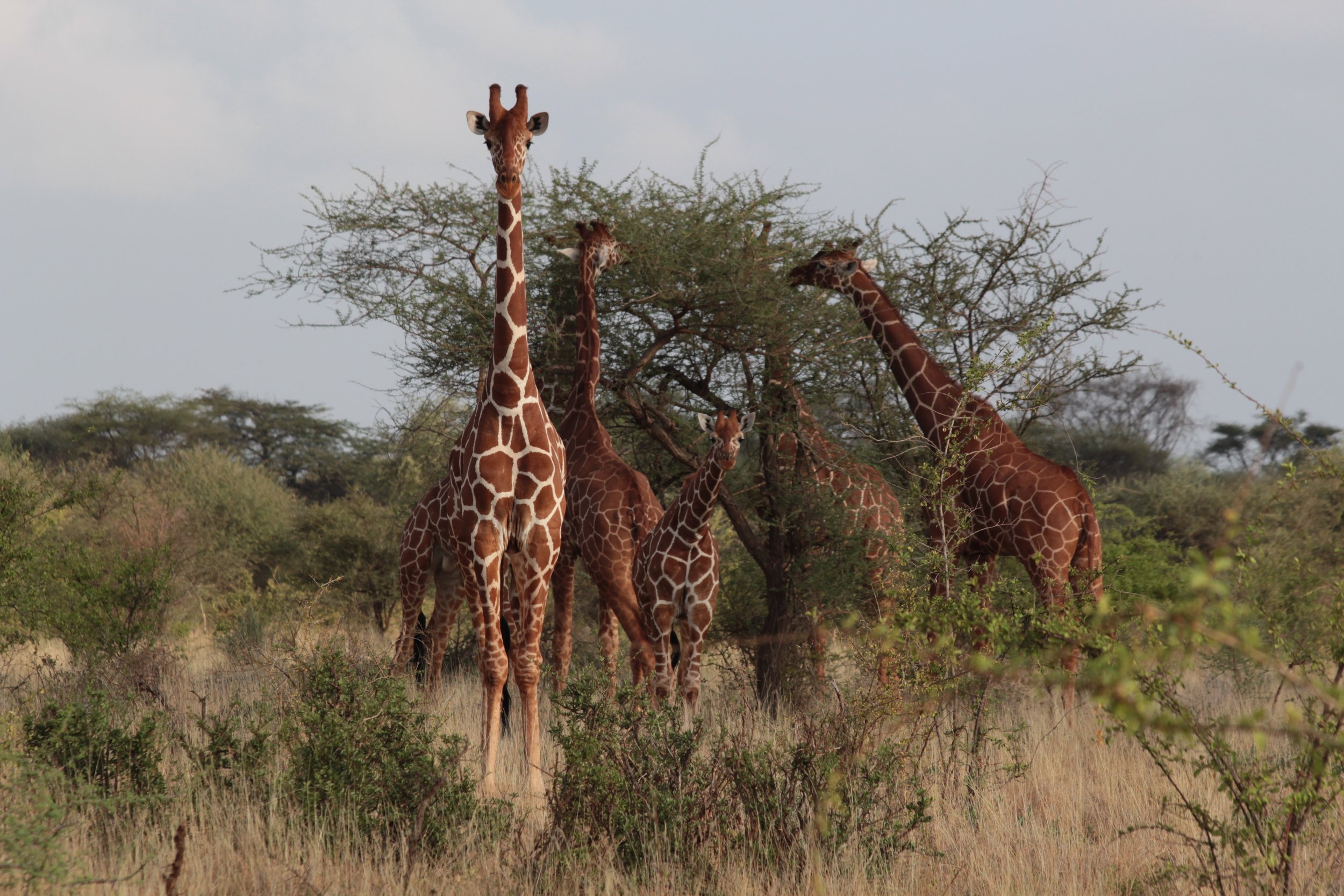
Samburu sits in Kenya's arid north — a completely different Kenya from the southern grasslands, and richly rewarding for travellers who venture beyond the well-worn Mara-Amboseli circuit. The Ewaso Ng'iro River runs through the area, providing a permanent water source that draws wildlife from the surrounding semi-desert in spectacular concentrations during the dry season.
Samburu is famous for its 'Special Five' — five species either endemic to or particularly associated with northern Kenya: Grevy's zebra, reticulated giraffe, Beisa oryx, Somali ostrich, and gerenuk (the long-necked antelope that feeds standing upright on its hind legs). It is also excellent for lion, leopard, elephant, and cheetah. The cultural experience of the Samburu people — semi-nomadic pastoralists whose traditions, beadwork, and relationship with the land are still largely intact — adds a rich human dimension to any trip here.
Samburu pairs naturally with Laikipia on a northern Kenya itinerary, and the two together with the Masai Mara gives a genuinely comprehensive Kenya experience.
Lucie’s Recommendation: Saruni Samburu is a spectacular camp positioned on top of a rocky out crop in Kalama Conservancy bordering Samburu National Reserve. It has one of the most breathtaking views of all Kenya’s lodges and offers a real immersion into the starkly beautiful surrounding landscape. My clients love it.
Laikipia Plateau: Kenya's Conservation Frontier
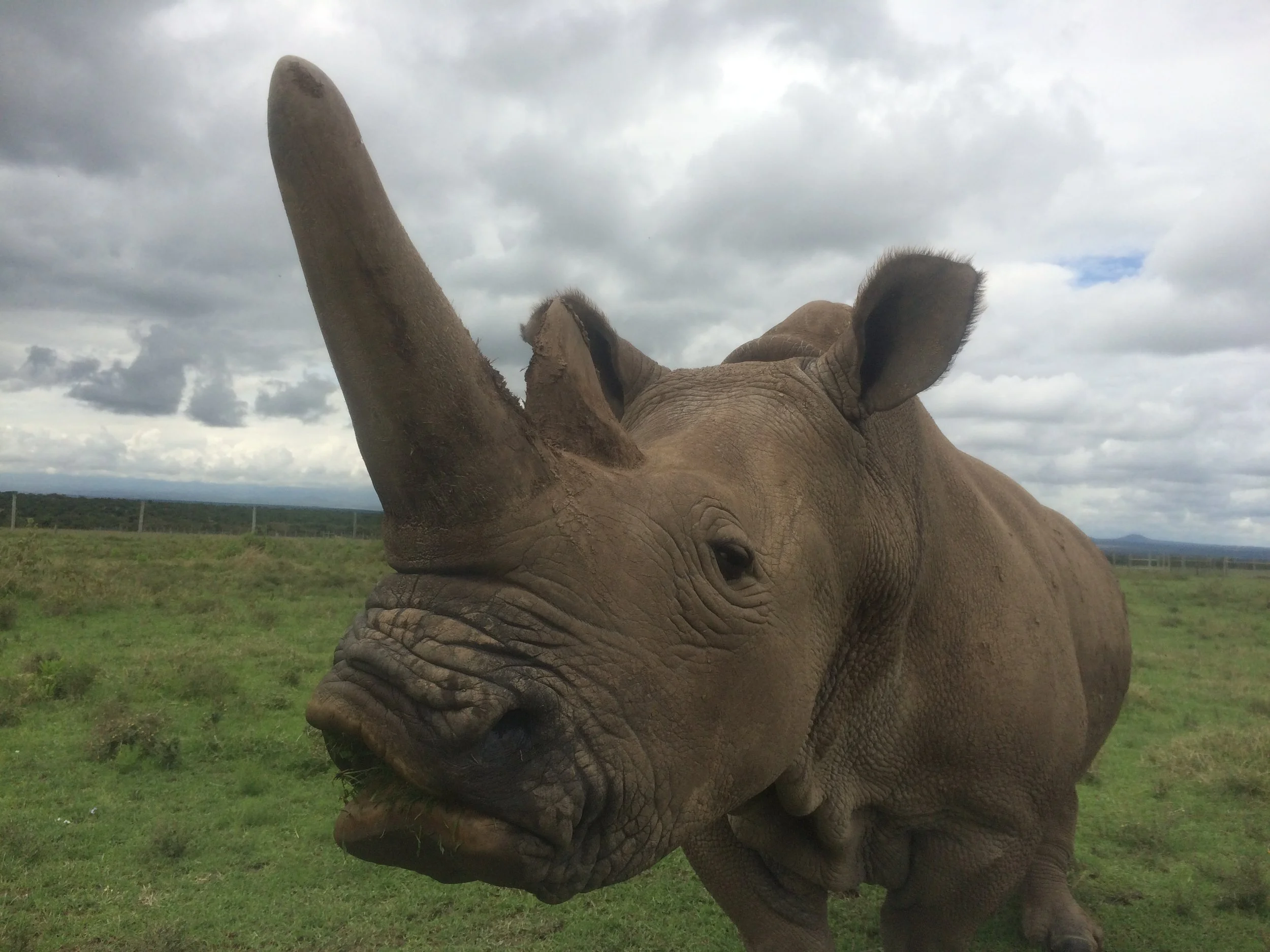
The Laikipia Plateau in central Kenya is one of Africa's great conservation success stories — a patchwork of private ranches and community conservancies that together protect more wildlife than any area of Kenya outside the Masai Mara ecosystem. Laikipia is particularly important for species under pressure elsewhere: it has one of the largest populations of black rhino in Kenya, significant numbers of white rhino, Grevy's zebra (the world's most endangered zebra species), reticulated giraffe, and a thriving wild dog population.
The safari experience in Laikipia is different from the classic southern circuit — and deliberately so. Activities include horse safaris, camel safaris, mountain bike riding, walking safaris, night drives, and conservation-focused experiences such as rhino tracking on foot. The private conservancies here — Ol Pejeta, Lewa, Borana, Sosian, and others — are all deeply committed to conservation, and visiting them is a direct investment in the future of Kenya's wildlife.
Laikipia appeals particularly to travellers who want something beyond the mainstream — those who have already done the Mara and want to go deeper, or those who specifically want an active, conservation-focused safari with a strong sense of purpose.
Lucie’s take on Laikipia: I’ve had some of my most profound wildlife encounters on Kenya’s Laikipia Plateau, most notably meeting the last two Northern White Rhino during a stay at Ol Pejeta Bush Camp, and tracking black rhino on foot on Sera Conservancy. Laikipia pairs brilliantly with the Mara but is increasingly recognised as a stand alone destination for travellers looking for an active & varied safari holiday.
Amboseli National Park: Elephants Under Kilimanjaro
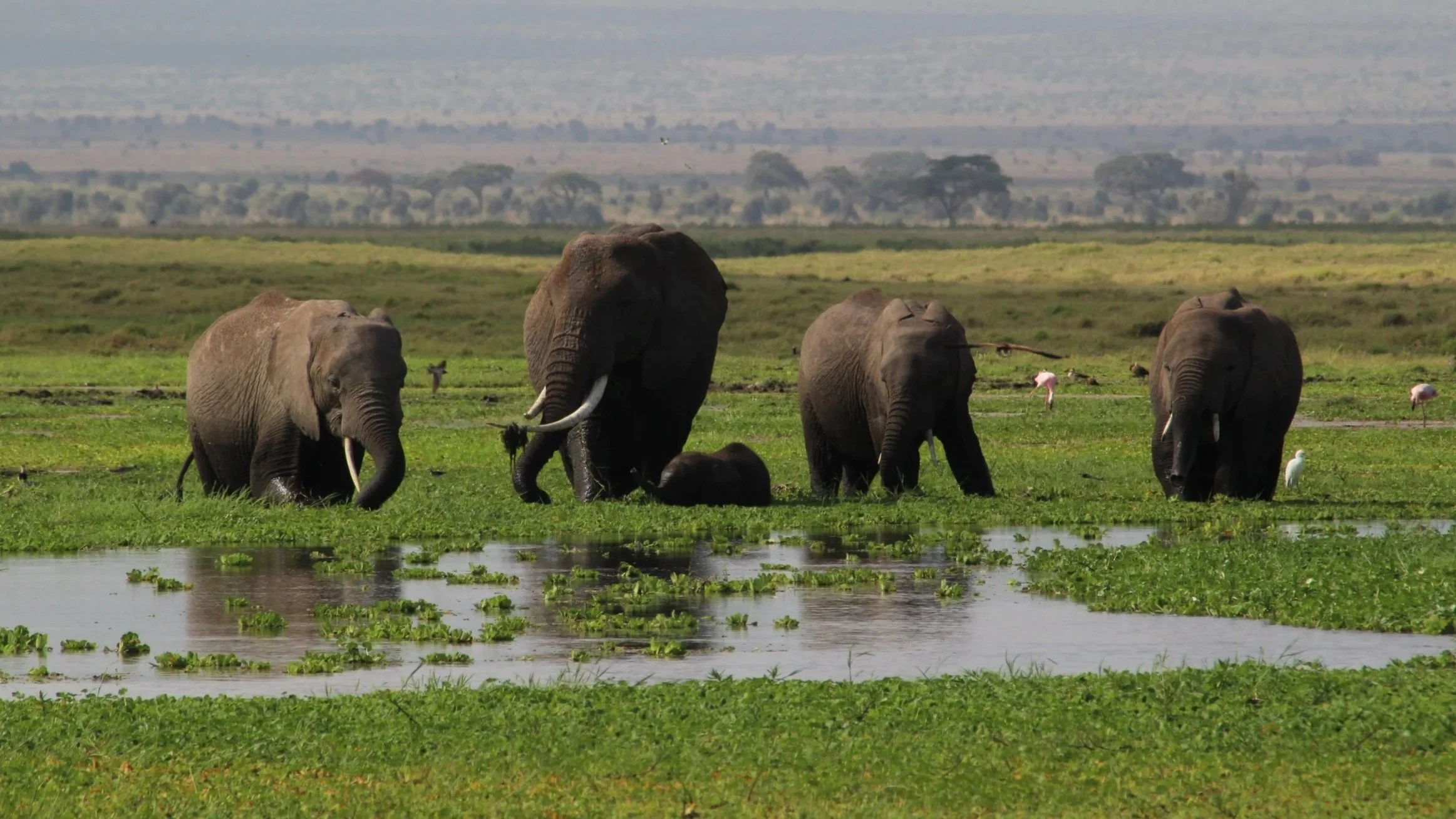
Amboseli is one of the most photogenic safari destinations in Africa. Sitting at the foot of Mount Kilimanjaro — the world's highest free-standing mountain, just across the Tanzanian border — the park offers a dramatic backdrop to every wildlife encounter. In the early morning, before the heat haze builds, the view of Kilimanjaro's snow-capped summit rising above herds of elephant at the swamps is one of the iconic images of African safari.
Amboseli is famous above all for its elephants. The park's elephant population is one of the best-studied in Africa, and the family groups here are accustomed to vehicles — allowing unusually intimate, prolonged encounters. Large bull elephants with magnificent tusks are a particular feature. Beyond elephants, Amboseli holds lion, cheetah, buffalo, giraffe, zebra, and wildebeest, with over 400 recorded bird species including the spectacular crowned crane.
Amboseli works beautifully as a two-night stop on a Kenya itinerary — combining it with the Masai Mara for a classic south Kenya circuit, or with Laikipia for a more varied experience. It can be reached by road from Nairobi (around four hours) or by a short charter flight.
Lucie's recommendation: There are a range of camps around Amboseli - I try and use smaller tented properties ranging from Angama Amboseli on the beautiful Kimana Sanctuary at the luxurious end of the scale, to Porini’s Amboseli Camp which is budget freindly but still in an exclusive Conservancy.
Tsavo National Park: Kenya's Untamed Wilderness
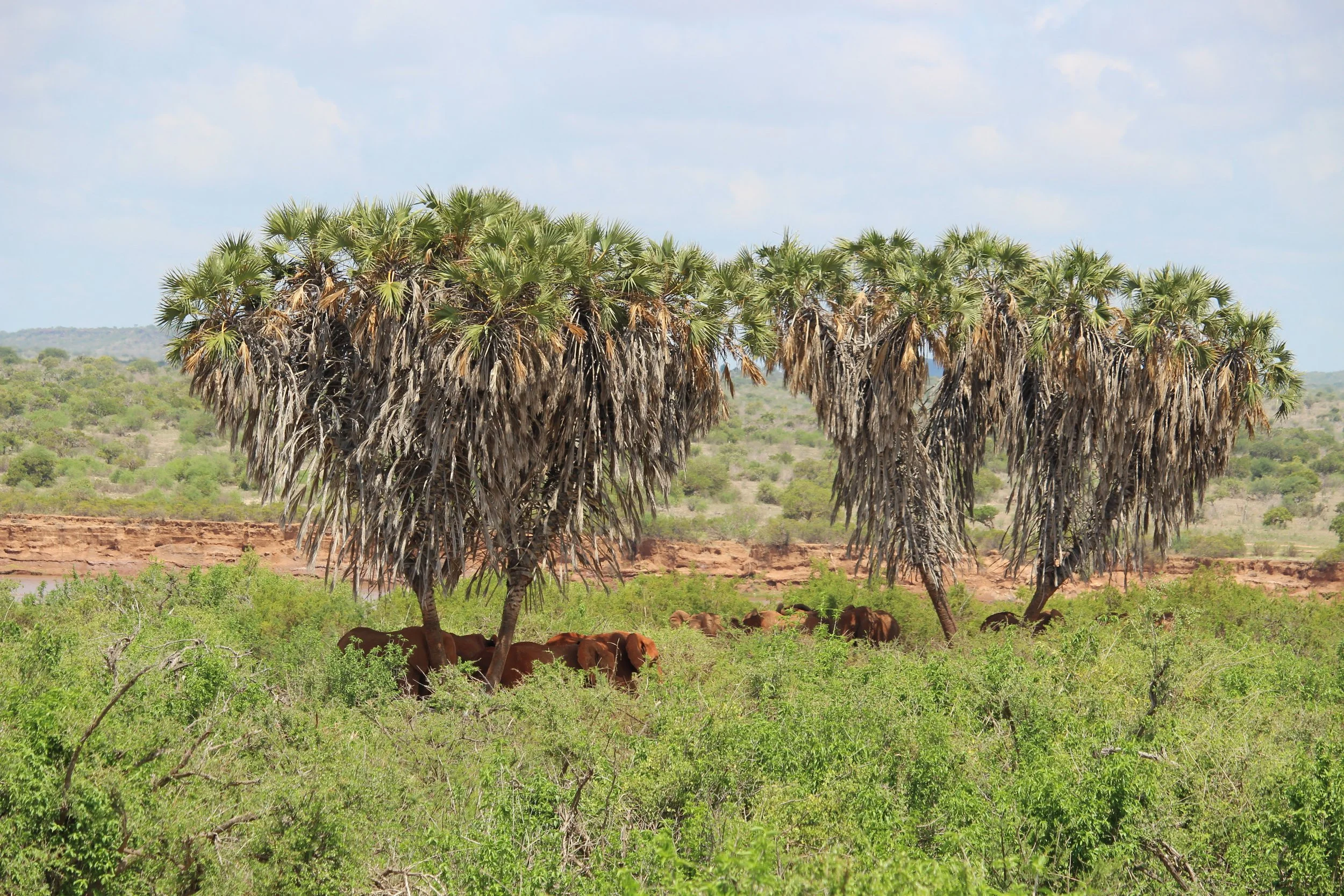
Tsavo is Kenya's largest national park — bigger than Wales, and split into Tsavo East and Tsavo West — and one of the most dramatic and undervisited safari destinations in the country. The landscape is raw and ancient: red dirt plains studded with baobabs, lava flows, and the Lugard Falls where the Galana River forces through ancient rock formations. Tsavo is famous for its red elephants — bulls who roll in the iron-rich soil until they turn the colour of the earth itself — and for its large, powerful lion prides, historically associated with the man-eating lions that became notorious in the late 19th century.
Tsavo East is open, arid, and excellent for large herds of elephant, buffalo, and oryx, with good lion and leopard. Tsavo West is greener and more varied in landscape, with the remarkable Mzima Springs — where crystal-clear water emerges from lava rock and hippo move through water you can see straight through. The two parks together feel like a completely different Kenya from the Mara, and for experienced travellers who want space, solitude, and something genuinely wild, Tsavo delivers.
Beyond the Mainstream: Kenya's Lesser-Known Gems
Kenya's reputation rests on the Masai Mara, Laikipia Amboseli, and the northern parks — and rightly so. But there is another Kenya that rewards those who look beyond the well-worn circuit.
The Chyulu Hills, a young volcanic range between Tsavo and Amboseli, offer horse safaris and walking in a landscape of extraordinary beauty with almost no other visitors. Meru National Park, where Joy Adamson released Elsa the lioness back to the wild in the 1960s, has been extensively restored and now offers outstanding wildlife in a remote, riverine landscape. The Tana River, Lake Baringo, and the Kerio Valley reward serious birdwatchers with species found nowhere else in Kenya. And for those wanting a coastal safari extension beyond Diani Beach, Watamu Marine National Park and the Arabuko-Sokoke Forest — one of the most important coastal forests in East Africa — are exceptional.
I don't route every client through these areas, but for those who specifically want to go off the beaten track, or who are returning to Kenya and want a completely fresh experience, these are the places I reach for.
The Great Migration: Timing and What to Expect
The Great Migration is the annual movement of over 1.5 million wildebeest, accompanied by hundreds of thousands of zebra and gazelle, in a continuous loop between Tanzania's Serengeti and Kenya's Masai Mara. It is one of the greatest wildlife spectacles on earth — and the Mara River crossings, when the herds plunge into crocodile-filled water, are its most dramatic and sought after moments.
The Migration typically enters the Masai Mara from around July and the river crossings generally occur between July and October, with August and September the most active months for crossings at the main points. However, the exact timing is always weather-dependent — the herds follow the rains rather than the calendar, and crossings can happen at any time during this window.
A few important things to know: you cannot guarantee a crossing even during peak season — the herds make their own decisions. Multiple visits to crossing points over several days significantly increases the chances of witnessing one. And the resident wildlife in the Mara — lion, leopard, cheetah, elephant, and more — is exceptional year-round, so even a non-Migration visit to the Mara is outstanding.
Kenya has two rainy seasons and two dry seasons, giving it a more complex seasonal pattern than Botswana or Zambia. The table below covers the main regions across the year. Climate change is affecting seasonal weather patterns so the following is a guide, and may vary.
When to Visit Kenya — Season by Season
| Region | Jan – Mar | Apr – Jun | Jul – Oct | Nov – Dec |
|---|---|---|---|---|
| Dry / Low Season | Long Rains | Peak Dry Season | Short Rains | |
| Masai Mara | Dry season — excellent resident wildlife. January: calving season spillover from Serengeti. Very good big cat action. | Long rains (Apr–May). Fewer visitors, good value. Lush vegetation. Still good wildlife throughout. | Peak season. Jul–Oct: Great Migration and Mara River crossings. Aug–Sep peak for crossings. Exceptional big cat and predator viewing year-round. | Short rains (Nov). Quieter with lower prices. Good resident wildlife. Dec drier and busier — festive season. |
| Amboseli | Dry season — excellent elephant viewing at the swamps. Clear Kilimanjaro views Jan–Feb before heat haze builds. | Long rains. Elephants disperse across the park. Lush and photogenic. Kilimanjaro views can be obscured. | Peak season. Best elephant concentrations at swamps. Lions on open plains. Dramatic Kilimanjaro backdrop. | Short rains (Nov). Elephants active. Kilimanjaro views can be spectacular after rain clears the air. |
| Laikipia | Dry season — excellent all-round. Rhino tracking, wild dog, lion, cheetah. Walking and horse safaris at their best. | Long rains. Some tracks muddy. Good for green-season rates. Rhino tracking continues. Birding excellent. | Peak season. Outstanding wildlife including Grevy's zebra, black rhino, wild dog. Night drives superb. | Short rains. Good wildlife. Fewer visitors than peak. Excellent for walking safaris as temperatures ease. |
| Samburu | Dry season — Ewaso Ng'iro River concentrates wildlife. Excellent Special Five sightings. Very good lion and leopard. | Long rains. Some tracks difficult. Special Five still reliable near the river. Fewer visitors. | Peak season. Superb Special Five — Grevy's zebra, reticulated giraffe, gerenuk, Beisa oryx, Somali ostrich. Excellent predators. | Short rains. Good wildlife. Very few visitors. Dramatic skies over the northern landscape. |
| Tsavo | Dry season — large elephant herds at Galana River. Red bulls spectacular. Good lion. Mzima Springs clear and beautiful. | Long rains. Vegetation lush. Fewer visitors. Good birding. Tsavo West roads can be challenging. | Peak season. Best general wildlife. Large elephant herds. Lion prides active. Lugard Falls dramatic in low water. | Short rains. Still good. Very few vehicles. Tsavo at its most atmospheric and uncrowded. |
| Kenya Coast / Diani | Hot and dry — best beach weather Dec–Mar. Peak season. Marine wildlife excellent. | Long rains (Apr–May). Some properties close or reduce rates. Quieter beaches. Good for budget travel. | Cooler, drier, good for water sports. Aug–Sep: whale sharks offshore. Good diving visibility. | Short rains (Nov). Dec excellent — festive season. Warm, clear, and popular. |
Lucie's honest view: July to October is when most people visit, and for good reason — game viewing is at its most concentrated and reliable and prices peak accordingly. I’ve had brilliant safaris in Kenya in November and love this time of year for the value and spectacular cloudbursts. The right time for you depends entirely on what you want from your safari — and that is exactly what I help you work out.
Is Kenya Right for You?
Kenya works beautifully for an enormous range of travellers — but it helps to know what to expect.
First-time safari-goers — the infrastructure is excellent, the wildlife is extraordinary, and the combination of Masai Mara and Laikipia provides one of the finest introductions to African safari anywhere on the continent
Anyone who wants to witness the Great Migration — the Masai Mara provides the most dramatic viewing, particularly at the Mara River crossings between July and October
Families with children of any age — Kenya's private conservancies and established camps are well set up for families, and the wildlife is accessible and abundant
Conservation-minded travellers — Laikipia's conservancies offer a deeply meaningful safari experience with a direct conservation impact
Photographers — the open plains, extraordinary light, and accessible predator activity make Kenya one of the world's great wildlife photography destinations
When I might suggest somewhere else...
If you have been to Kenya before and want something genuinely different — wilder, less visited, more remote — Botswana or Zambia might be the natural next step. And if you are specifically chasing the Migration, I would sometimes recommend combining Kenya with Tanzania's Serengeti to follow the herds across both countries.
Combining Kenya with Other Destinations
Kenya and Tanzania: The Classic East Africa Combination
Kenya and Tanzania share the same Mara-Serengeti ecosystem — the same wildebeest cross between both countries. Combining the two gives you the full Migration experience, along with Tanzania's extraordinary Ngorongoro Crater and the option of the southern parks. Most routing goes via Nairobi or the Kenyan border crossing.
Kenya and Zanzibar: Bush and Beach
One of the most popular combinations I arrange. A short flight from Nairobi or the Mara connects to Zanzibar's white sand beaches and warm Indian Ocean water. Three to five nights on the island makes a deeply satisfying finale to any Kenya safari.
Kenya and Uganda: Primates and Plains
For those who want to add gorilla trekking or chimpanzee tracking to a Kenya safari, Uganda is easily accessible from Nairobi. The contrast between Kenya's open plains and Uganda's dense mountain forest is extraordinary.
Planning Your Kenya Safari with Lucie
Kenya is a destination I recommend to clients across the full range of safari experience — from those taking their first trip to those who have been many times and want to find a new angle. Every Kenya itinerary I put together is built from scratch: the right conservancies for your timing, the right balance of areas for your interests, and all the logistics handled from international flights to bush transfers.
The conservancy question alone — which of the dozen or so private areas bordering the Mara is right for you — is one I love discussing. The differences between them in terms of wildlife, atmosphere, and guiding are real and significant, and getting it right makes a material difference to the experience.
For a broader look at what drives safari costs across Africa, see my full safari costs guide.
Practical Information for Kenya
Visas & Entry
British nationals require an Electronic Travel Authorisation (eTA) to enter Kenya, applied for online before travel at etakenya.go.ke. The cost is $30 USD per person and applications are typically approved within a few days — apply at least a week before travel. Your passport must be valid for a minimum of six months from your date of entry.
N.B. Always check the UK Government's foreign travel advice at gov.uk/foreign-travel-advice/kenya before travel, as entry requirements can change.
Health & Vaccinations
Malaria is a risk in most of Kenya's safari areas and at the coast — antimalarial medication is strongly recommended. Consult a travel health clinic at least 6–8 weeks before departure. Yellow fever vaccination is required if arriving from a country with risk of transmission. Other recommended vaccinations typically include hepatitis A, typhoid, and tetanus. Kenya is also a yellow fever vaccination certificate country for those continuing to certain other destinations.
Getting There
Most UK flights to Kenya route direct from London Heathrow to Nairobi Jomo Kenyatta International Airport (British Airways, Kenya Airways), or via various hubs. Journey time on direct flights is approximately 8.5 hours — one of the shortest long-haul safari destinations from the UK. Domestic connections to the parks are by light aircraft — I coordinate all internal logistics as part of your itinerary.
Currency & Money
Kenya's currency is the Kenyan Shilling (KES). US dollars are widely accepted at lodges and for major expenses. ATMs are available in Nairobi and larger towns. Most camps are fully inclusive, so day-to-day spending in the bush is minimal. Tips for guides, trackers, and camp staff are customary and appreciated.
Kenya Safari: Frequently Asked Questions
-
Kenya is one of the best destinations in Africa for a first safari. The wildlife is extraordinary and very accessible, the infrastructure is excellent, and the combination of the Masai Mara and Amboseli provides one of the finest introductions to African safari anywhere on the continent. The private conservancies around the Masai Mara are particularly good for first-timers, offering exclusive experiences with expert guiding and far fewer vehicles than the national reserve.
-
The wildebeest arrive in the Masai Mara from around July, with the famous Mara River crossings typically taking place between July and October. August and September are the most active months for crossings, though September and October often offer a better balance of crossing activity and visitor numbers. The exact timing is always weather-dependent — the Migration follows the rains, not the calendar. The resident wildlife in the Mara is exceptional year-round regardless of the Migration.
-
British nationals require an Electronic Travel Authorisation (eTA) to enter Kenya, applied for online at etakenya.go.ke before travel. The cost is $30 USD per person and applications are typically approved within a few days. Your passport must be valid for a minimum of six months from your date of entry. Always check the current requirements at gov.uk/foreign-travel-advice/kenya before booking.
-
The Masai Mara National Reserve is the main national reserve — well-known, well-managed, but busy with vehicles especially during Migration season. The private conservancies (Ol Kinyei, Naboisho, Mara North, Olare Motorogi, and others) are adjacent community-owned areas where camps operate exclusively. In the conservancies you get night drives, walking safaris, off-road driving, and far fewer vehicles — a markedly better experience for most travellers. I almost always recommend at least one conservancy camp on a Mara visit.
-
Kenya offers exceptional Big Five viewing — lion, leopard, elephant, buffalo, and rhino — across its main parks and conservancies. The Masai Mara is particularly renowned for lion and cheetah. Amboseli for elephant under Kilimanjaro. Laikipia for black rhino and wild dog. Samburu for the Special Five endemic northern species — reticulated giraffe, Grevy's zebra, gerenuk, Beisa oryx, and Somali ostrich. With over 1,100 recorded bird species, Kenya is also one of the finest birdwatching destinations on earth.
-
Absolutely — and it is one of the most popular combinations I arrange. Kenya's coast, including Diani Beach south of Mombasa, offers beautiful Indian Ocean beaches. For more exclusive beach options, Zanzibar (a short flight away) makes an extraordinary pairing with a Masai Mara safari. I can include either as part of your itinerary.
-
An absolute minimum of five nights to do the country justice — ideally seven to ten nights across two or three areas. A classic itinerary combines three nights in the Masai Mara conservancies with two nights in Amboseli. Adding Laikipia or Samburu extends the trip to ten to twelve nights. Combined trips with Tanzania or Zanzibar typically run to twelve to fourteen nights.
Ready to Plan Your Kenya Safari?
Whether you are dreaming of your first Migration crossing, a family adventure in the Mara, or rhino tracking in Laikipia — I'd love to help you plan it.
Get in touch for a no-obligation conversation. I'll ask a few questions about what matters most to you and come back with an itinerary built around you.