
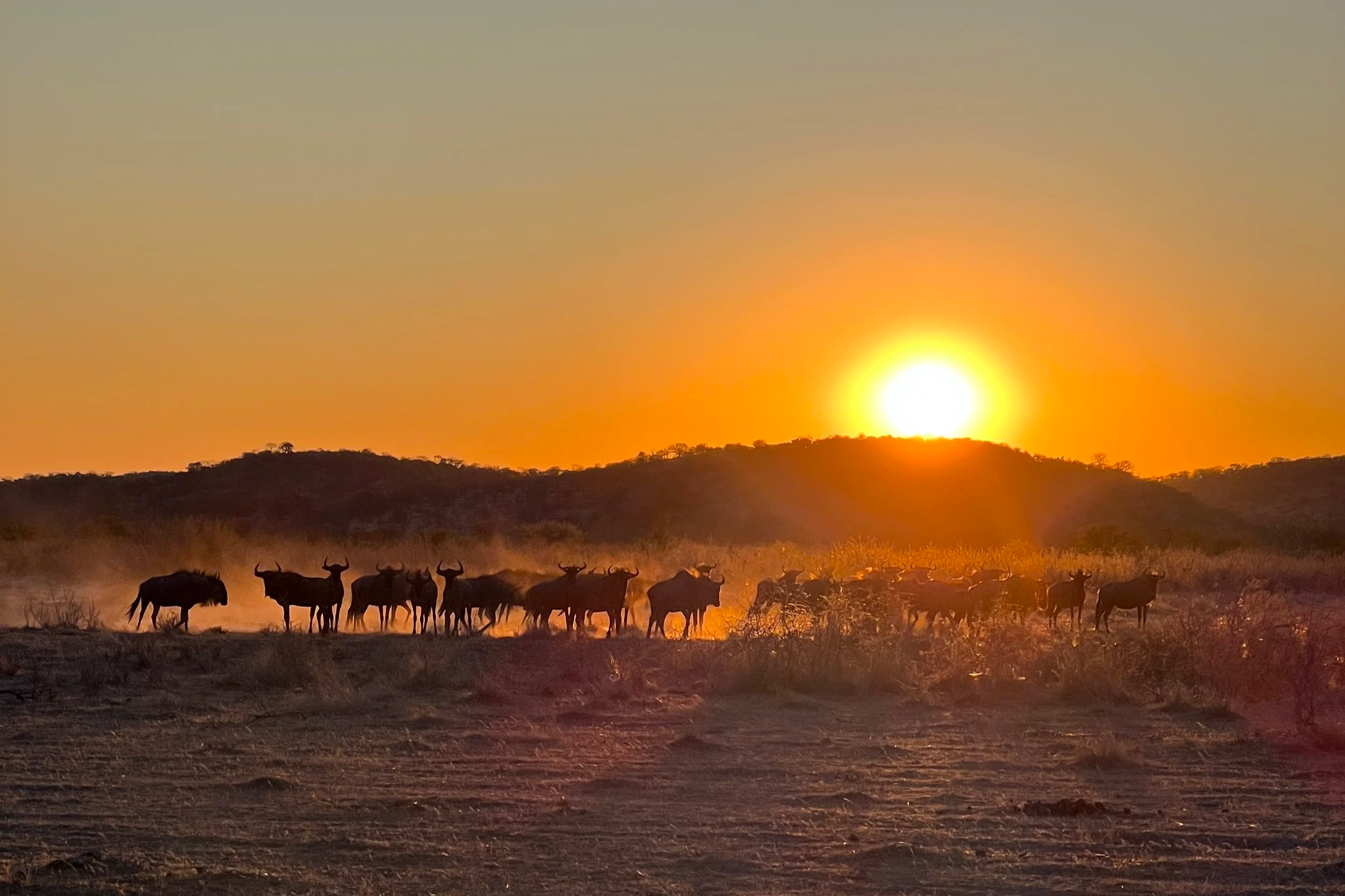
Namibia Safari Holidays
Bespoke Namibia safaris, expertly planned by a UK specialist with over 28 years of on-the-ground experience.
Ancient deserts, towering dunes, desert-adapted wildlife, and some of the most dramatic landscapes on earth.
Why Choose Namibia for Your Safari?
Namibia is unlike anywhere else in Africa. This is a country of staggering scale and geological drama — home to the Namib Desert, the oldest desert on earth, where iron-red dunes rise 300 metres above bleached clay pans; where desert-adapted elephants roam waterless riverbeds that flow perhaps once a decade; where the cold Atlantic crashes against a shore so remote and treacherous it was named the Skeleton Coast by shipwrecked sailors.
It is also one of the best-conserved destinations on the continent. Namibia was the first country in the world to incorporate environmental protection into its constitution, and its community conservancy model — which gives local communities ownership of the wildlife on their land — has produced extraordinary results. Wildlife populations that were collapsing in the 1980s have recovered dramatically; the country now holds the world's largest free-roaming population of black rhino and more cheetah than any other country on earth.
For travellers, Namibia offers something different from the classic safari circuit. Yes, there is exceptional wildlife in Etosha — lion, elephant, black and white rhino, wild dog, cheetah — but it is the landscapes, the light, and the sheer sense of space that stay with you longest. A week in Namibia tends to rewire your appreciation of geology!
Lucie’s take on Namibia: I describe Namibia as a wilderness destination rather than a wildlife destination. Yes, it has world class wildlife in Etosha but it’s the landscapes that are it’s key feature and the reason why most clients choose it. It’s also the best destination in Africa for a self drive trip where the accommodation can be scaled up or down to suit a wide range of budgets.
Namibia's Key Regions
Namibia is a large country — roughly four times the size of the UK — and its key regions are spread across very different landscapes. Most itineraries combine two or three regions depending on interests and time available. Here is how I think about each one.
Etosha National Park: World-Class Wildlife Viewing
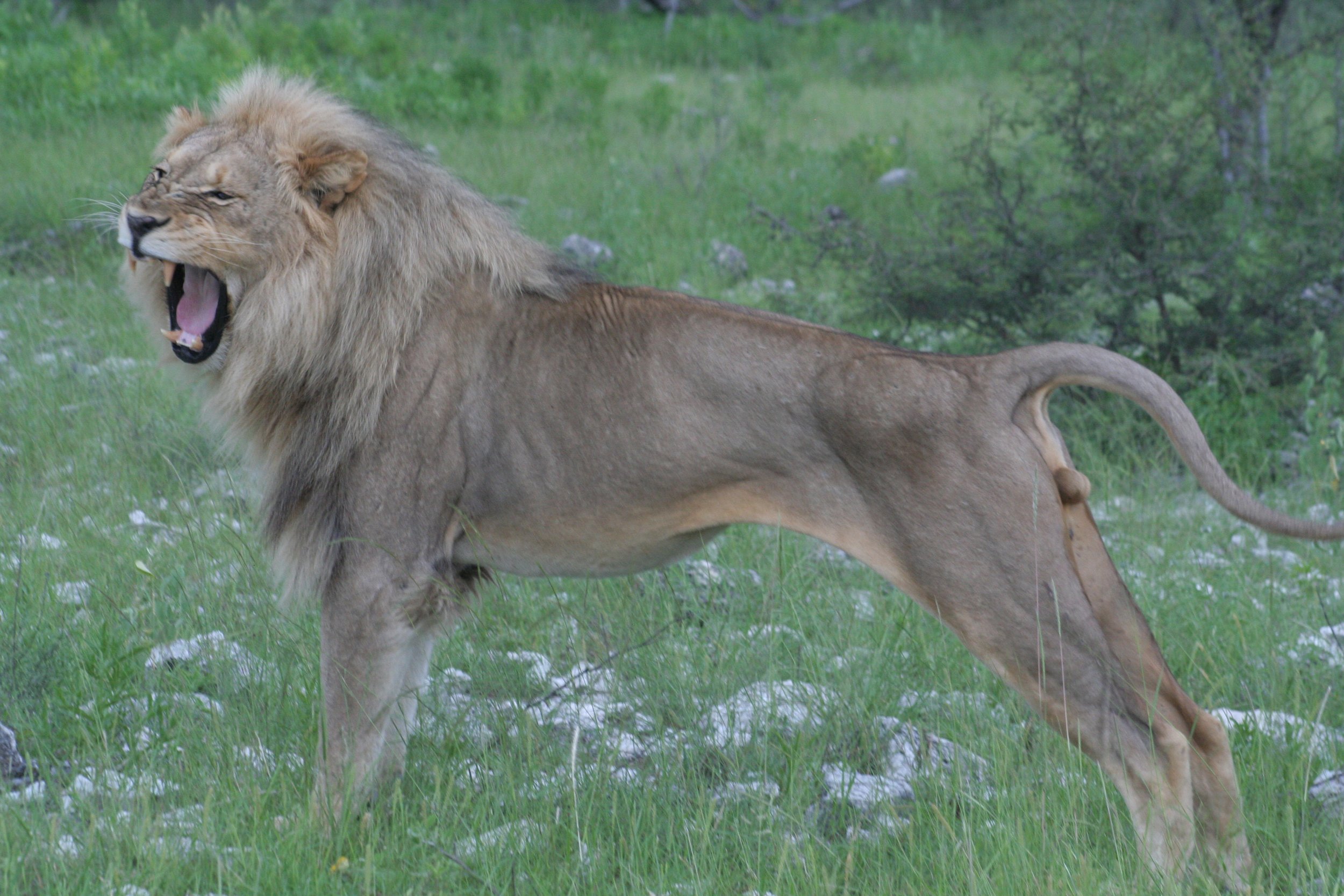
Etosha is Namibia's flagship national park and one of Africa's great wildlife destinations. At its heart is the vast Etosha Pan — a white salt flat so large it is visible from space — which acts as a magnet for wildlife throughout the dry season. Waterholes around the pan are permanent and illuminated at night, creating an almost theatrical experience: pull up a chair at your lodge's waterhole and watch elephants, rhino, lion, giraffe, and zebra come and go through the evening hours.
The wildlife list is exceptional. Etosha is one of the best places in Africa to see both black and white rhino, and its open, flat terrain makes game viewing particularly clear. Lion, leopard, cheetah, wild dog, elephant, and large herds of springbok, zebra, and gemsbok are all regularly encountered. The park's floodlit waterholes make it uniquely well-suited to night viewing — a genuine rarity in African safari parks.
Sossusvlei & the Namib Desert: Ancient Landscapes
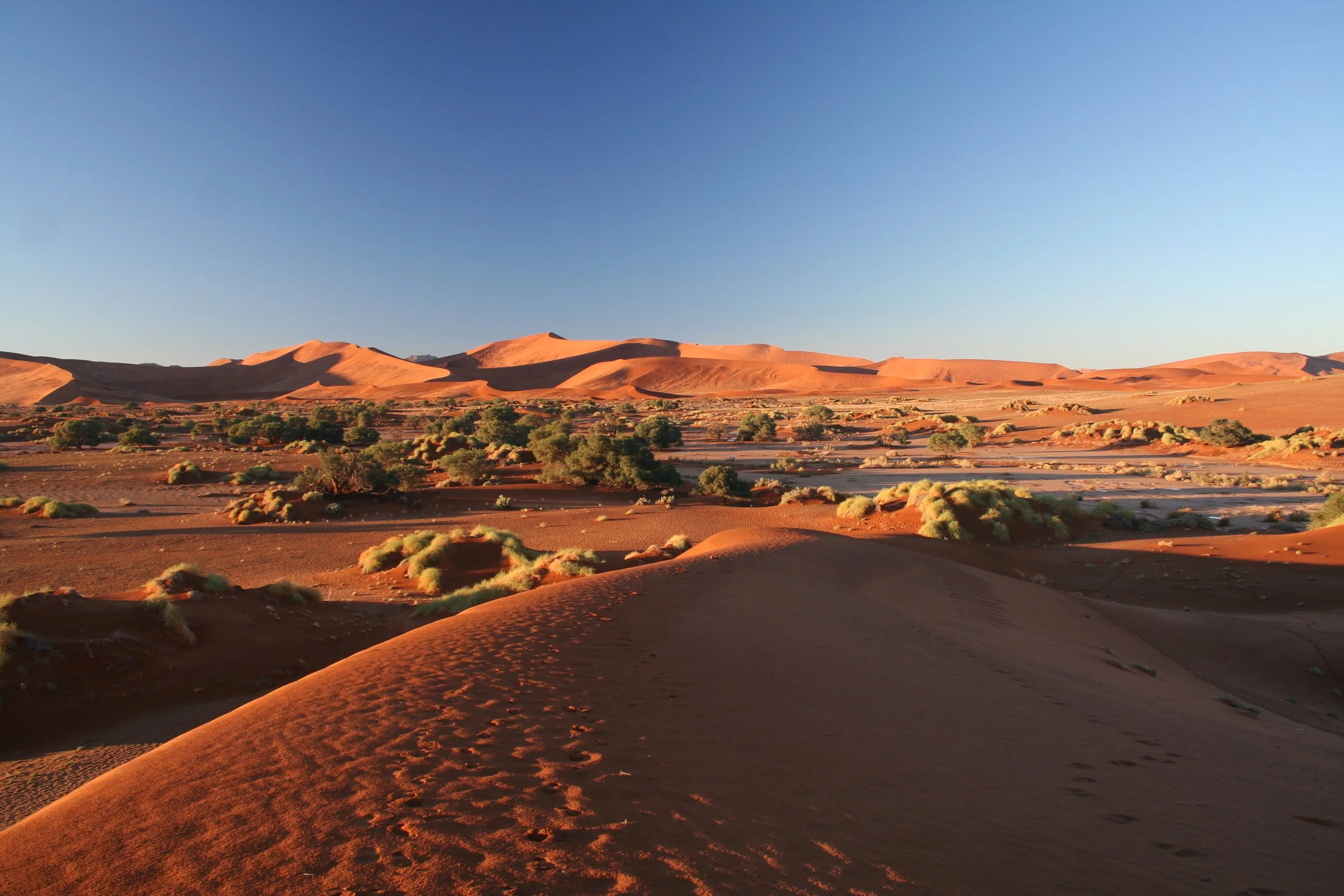
The dunes of Sossusvlei are among the most iconic landscapes on earth. These are not simply sand dunes — they are ancient, immense, and coloured in shades of orange and red that shift dramatically as the light changes through the day. Dune 45 and Big Daddy rise over 300 metres above the surrounding pan; Dead Vlei, the white clay pan ringed by skeletal camelthorn trees and backed by towering dunes, is one of the most photographed places in Africa.
The experience here is as much about being in the landscape as it is about any particular activity. Climb a dune at sunrise when the light is extraordinary and the temperature is still tolerable. Walk across the white pan of Sossusvlei. Take a balloon flight over the desert at dawn. Stay at one of the extraordinary lodges that have been built to complement rather than intrude on the landscape .
Sossusvlei can be visited independently or as part of a fly-in safari circuit. For those self-driving, the Sesriem campsite and its surrounding lodges provide a brilliant base.
Damaraland: Desert Elephants and Ancient Landscapes
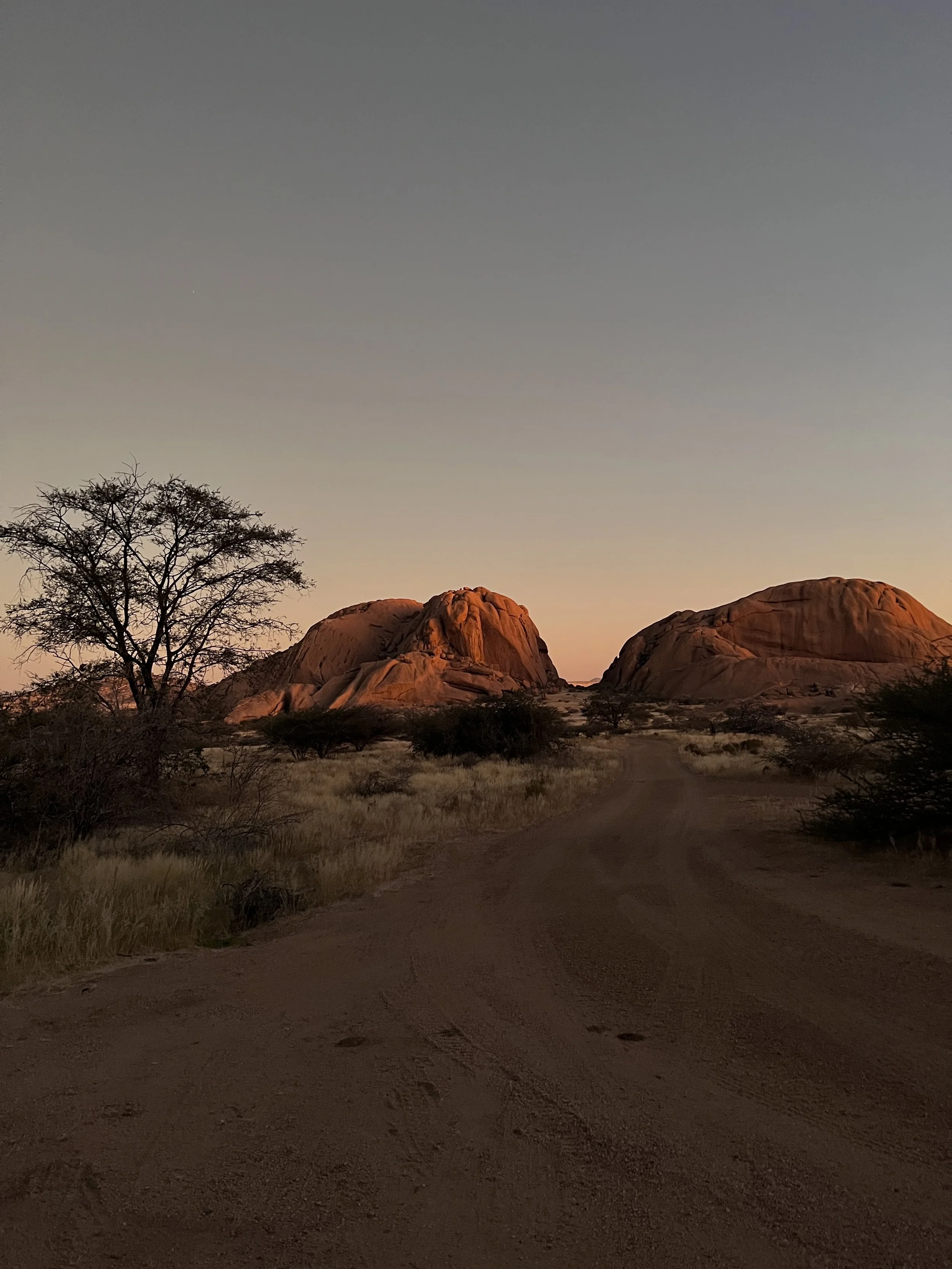
Damaraland is one of Namibia's most compelling regions — a vast, mountainous wilderness in the northwest where ancient lava formations, dramatic river valleys, and sparse desert vegetation create a landscape that feels utterly primordial. This is where you come to find desert-adapted elephants.
These are not ordinary elephants. Namibia's desert elephants have adapted over generations to survive in one of the most arid environments on earth, travelling enormous distances between water sources and digging in dry riverbeds to find what little water exists underground. Tracking them on foot across the desert with an experienced guide is one of the most extraordinary wildlife experiences in Africa.
Damaraland also holds the world's highest density of free-roaming black rhino — you can track them on Wilderness Safaris' desert rhino tracking experience with Save the Rhino Trust. The region has exceptional cultural heritage too: Twyfelfontein, a UNESCO World Heritage Site, contains one of the largest collections of rock engravings in Africa.
The Skeleton Coast: Africa's Most Dramatic Shoreline
The Skeleton Coast is not for everyone — and that is precisely what makes it special. This wild, fog-shrouded shoreline stretches for over 500 kilometres along Namibia's northwest coast, where the icy Benguela Current meets the Namib Desert, creating a landscape of extraordinary bleakness and beauty. Shipwrecks, whale bones, and the remains of the sealing industry that once operated here dot the beach; the sound is wind, waves, and the vast colony of Cape fur seals at Cape Cross — around 100,000 animals barking, nursing pups, and hauling out on the rocks.
The wildlife is unexpected and extraordinary. Brown hyena patrol the shore scavenging whale carcasses. Desert-adapted lion have been documented here, having learned to hunt seals and the occasional beached whale. Black-backed jackal weave through the seal colonies. Offshore, dolphins and occasionally whales are visible from the beach. The birdlife is exceptional throughout the year.
The far northern reaches of the Skeleton Coast — the national park area — are only accessible via fly-in on exclusive itineraries. This is remote, demanding, genuinely frontier Africa. Natural Selection operate the iconic Shipwreck Lodge here, one I highly recommend.
Lucie’s note: The Skeleton Coast is hard to access on a standard self drive trip and requires careful planning and a lot of time. I really only recommend this area as part of a fly-in safari.
The Caprivi Strip: Namibia's Green Surprise
The Caprivi Strip — now officially renamed the Zambezi Region — is where Namibia abruptly changes character. This narrow corridor of land in the far northeast is as lush and water-rich as the rest of Namibia is dry and austere. Flanked by four major rivers (the Kavango, Zambezi, Chobe, and Kwando), it is a region of floodplains, forests, and extraordinary wildlife density — much more reminiscent of Botswana's Okavango Delta than the Namibia most visitors imagine.
Game viewing here is excellent: elephant, lion, leopard, buffalo, hippo, crocodile, wild dog, and sable antelope are all regularly encountered. The birding is outstanding. And the location — at the meeting point of four countries — makes it a superb base for combining Namibia with Botswana, Zimbabwe, or Zambia.
Lucie’s note: The Caprivi is best visited as part of a self-drive itinerary ending in Botswana or Zambia.
Fish River Canyon & the Namibian South: Raw and Unforgettable
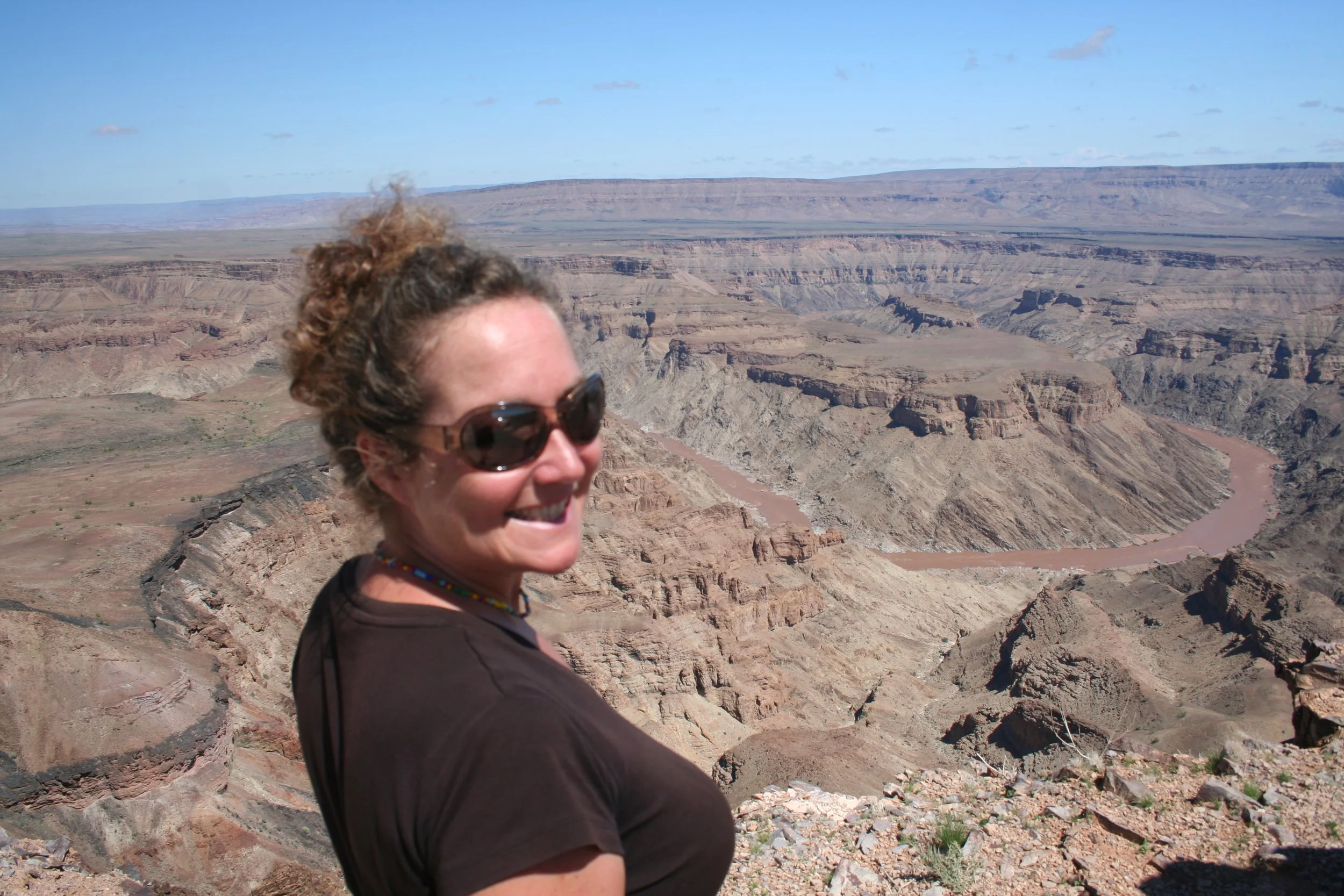
The far south of Namibia is one of the country's least visited regions — and one of its most rewarding for travellers willing to make the journey. At its heart is Fish River Canyon, the second largest canyon in the world and one of Africa's most dramatic natural landmarks. The numbers are staggering: 160 kilometres long, up to 27 kilometres wide, and in places over 550 metres deep. Standing at the main viewpoint at Hobas as the morning light moves across the canyon walls is an experience that stops conversation entirely.
The canyon is best explored on foot. The famous Fish River Canyon hiking trail — a five-day, 86-kilometre route along the canyon floor — is one of southern Africa's great wilderness walks, open from May to September only when temperatures are manageable. It is not a casual undertaking: hikers must be self-sufficient, carry all food and camping equipment, and present a medical certificate of fitness. For those not up for the full trail, the shorter Sulphur Springs walk and the various canyon rim viewpoints are accessible year-round.
Beyond the canyon itself, the Namibian south has a distinct character of its own. The quivertree forests around Keetmanshoop — ancient aloes that can live for several hundred years — are extraordinary at sunrise and sunset, particularly between May and August when the light is at its most dramatic. The ghost town of Kolmanskop, a diamond-mining settlement abandoned to the desert in the 1950s, is one of Namibia's most photographed locations: rooms half-filled with wind-blown sand, parquet floors buckling under decades of desert heat, the whole place slowly being swallowed by the Namib.
The south also connects naturally with South Africa's Northern Cape — the Orange River, which forms the border between the two countries, is a wonderful add-on for those combining Namibia with a South Africa itinerary.
Lucie's Recommendation: The South & Fish River Canyon: It’s tricky to include the Fish River Canyon in a 14 night self drive itinerary, simply because it’s a long way! It is definitely worth a visit for self drive itineraries continuing onto South Africa, or for returning Namibia enthusiasts as part of an alternative itinerary.
Windhoek: Namibia's Surprisingly Rewarding Capital
Windhoek is where almost every Namibia itinerary begins and ends, but it does reward more than a single night in transit. Namibia's compact, walkable capital sits at 1,650 metres in the Central Highlands, with a pleasantly mild climate and a distinctive character that blends German colonial architecture, Herero and Nama cultural heritage, and a genuinely thriving food and arts scene.
The old town centre is worth a morning: the Christuskirche, the Alte Feste (Old Fort) and its excellent historical museum, and the colourful craft market at the Post Street Mall. The National Museum of Namibia gives excellent context before heading into the wilderness — the natural history and independence galleries in particular are well worth an hour or two. For dinner, the restaurant scene in Windhoek has improved considerably in recent years and there are several excellent options within easy reach of the main hotels. Joe’s Beerhouse is a Windhoek institution!
Windhoek also makes a natural base for a day trip to the Daan Viljoen Game Reserve, a small but rewarding reserve in the Khomas Highlands just 20 kilometres from the city centre, where kudu, oryx, zebra, and over 200 bird species can be seen.
When Is the Best Time to Visit Namibia?
Namibia rewards travel in every season, but the experience varies significantly by region and time of year. The table below is a guide — I am always happy to talk through what suits your specific interests and dates.
| Region | Jan – Mar | Apr – May | Jun – Oct | Nov – Dec |
|---|---|---|---|---|
| Green Season | Shoulder Season | Peak Dry Season | Early Summer | |
| Etosha | Summer rains; lush and green. Good birding. Fewer visitors. | Transitional. Drying out. Crowds thinning. Good value. | Peak Exceptional. Waterholes packed. Wildlife concentrated at water sources. Best game viewing of the year. | Short rains begin. Green season returns. Good value. |
| Sossusvlei & Namib | Hot. Occasional rain. Dunes still spectacular. Vivid skies. | Cooling. Pleasant temperatures for dune walking and photography. | Peak Best light and coolest mornings. Ideal for dune climbing and photography. Crystal-clear skies. | Warming up. Dramatic storm skies over the pans. |
| Damaraland | Green and dramatic. Desert elephants active near riverbeds. | Good wildlife. Easier driving as the ground dries out. | Peak Desert elephants and black rhino most reliably tracked. Dry riverbeds expose animal movements. | Good value. Fewer visitors. Lush after first rains. |
| Skeleton Coast | Fog and cool year-round. Seal colonies always active. Good birding. | Good. Wildlife viewing improves as season dries. | Peak Best game viewing. Brown hyena, desert-adapted lion and cheetah active around seal colonies. | Cool, atmospheric and uncrowded. Good birding continues. |
| Caprivi / Zambezi | Wet season. Lush floodplains. Birding superb. Some tracks impassable. | Transitional. Drying out. Some camps may close. | Peak Game viewing at its best. Dry conditions concentrate animals along the rivers. | Short rains return. Excellent birding. Good value. |
| The South & Fish River Canyon | Very hot. Extreme temperatures in the canyon. Not recommended for hiking. | Cooling rapidly. Good for driving the south. Canyon increasingly accessible. | Peak Cool and dry. Ideal for the Fish River Canyon hiking trail (May–Sep only). Quivertree forests photogenic. | Warming up. Good for road tripping before heat builds. Quivertrees and canyon dramatic in low light. |
| Windhoek | Warm and occasionally wet. Pleasant city base. Good food and culture year-round. | Excellent. Comfortable temperatures. Good starting or finishing point for any circuit. | Cool and dry. Ideal city stopover. Good restaurants, galleries and the excellent National Museum. | Warming. Lively atmosphere. Good gateway before or after the summer holiday period. |
Lucie's honest view: June to October is when most clients visit, and for good reason — game viewing in Etosha is at its most concentrated and the dunes of Sossusvlei are at their photographic best. But I have had some of my most memorable Namibia experiences in the green season, when the country is lush and visitor numbers are low. The right time for you depends entirely on what you want most.
Is Namibia Right for You?
Namibia is perfect for:
Photographers and landscape lovers — the light, the dunes, and the desert scenery are extraordinary, and the low visitor numbers (outside school holiday peaks) mean you often have iconic locations entirely to yourself.
Travellers who want something beyond the classic East African safari — Namibia offers a genuinely different kind of experience. If you have already done Kenya or Tanzania and want somewhere that will surprise you, this is it.
Self-drive adventurers — Namibia is one of the easiest countries in Africa to explore independently, and the sense of freedom on an empty Namibian gravel road is hard to match.
Wildlife specialists with specific interests — desert-adapted elephants, black rhino, cheetah, brown hyena, and Etosha's waterhole wildlife are all world-class draws.
Honeymooners and special occasion travellers — Namibia's remote luxury lodges rank among the most extraordinary private spaces in Africa. Sossusvlei and the Skeleton Coast offer privacy and drama in equal measure.
When I might suggest somewhere else...
Namibia is not typically my first recommendation for travellers with very limited time (under seven nights) who want maximum wildlife density — East Africa or Botswana will deliver more in less time. It is also not the easiest destination for families with young children, though older children (12+) who are curious about landscapes, geology, and culture often find it completely captivating.
Combining Namibia with Other Destinations
Namibia's geography and flight connections make it a natural partner for several other destinations. My most popular combinations:
Namibia + Botswana
The bush-and-desert pairing that surprises most clients with how different the two countries feel back to back. I typically suggest a few nights in Etosha or Damaraland followed by the Okavango Delta — the contrast between the dusty, open waterhole scenes of Etosha and the water-rich, birdlife-filled channels of the Delta is extraordinary.
Namibia + South Africa
Cape Town to Namibia is a short hop — Airlink and FlySafair both operate direct flights to Windhoek in around two hours, making Namibia a natural add-on to a Western Cape itinerary. From Windhoek, Sossusvlei is either a scenic 4–5 hour self-drive south through the Khomas Highlands, or reachable via FlyNamibia's internal safari circuit, which operates daily flights from Hosea Kutako International Airport to the key destinations including Sossusvlei, Swakopmund, and Etosha.
Namibia + Zambia (via Caprivi)
For the adventurous, the Caprivi Strip connects Namibia directly to Zambia and Zimbabwe — Victoria Falls is under two hours from Katima Mulilo. This opens up a fascinating cross-border itinerary: Namibia's desert in one half, Zambia's South Luangwa walking safaris and the Falls in the other.
How I Plan Your Namibia Safari
Namibia rewards good planning. The distances are significant, the choice between self-drive and fly-in is consequential, and the right balance of regions — how much time in Etosha versus the dunes versus Damaraland — depends entirely on what you want most from the trip.
I will help you think through all of that. We will talk about whether you want to drive or fly, which regions most appeal to you, and how long you have — then I will put together an itinerary that makes the most of your time and budget. Every Namibia safari I plan is built from scratch around the individual client, with lodges chosen for guiding quality, location, and authenticity rather than commission rates.
Every trip I arrange is completely bespoke, ATOL protected, and backed by the Travel Trust Association. You will have a dedicated travel app with your full itinerary and all documents, and I am available throughout your trip if anything needs adjusting.
Lucie's Recommendation: Planning your Namibia safari
For the easiest way to see all of Namibia’s highlights I recommend a flying safari - these work particularly well for multi-generational families where the older and younger members are spared the long hours on the road.
For self drivers I like to mix up a range of accommodation styles, making space in the budget for a stay at at least one luxury lodge where you can soak up Namibia’s unique landscapes in style!
Namibia Safari: Frequently Asked Questions
-
Yes — since April 2025, UK passport holders require a visa to enter Namibia. You can apply for an eVisa online in advance, or obtain a visa on arrival at Windhoek's Hosea Kutako International Airport and other major entry points. The fee is approximately N$1,600 (around £70–80 depending on exchange rate) and allows a stay of up to 90 days. Apply in advance to avoid queues on arrival. Your passport must be valid for at least six months from your date of entry and have at least one blank page.
-
June to October is the peak season for wildlife — dry conditions concentrate animals at Etosha's waterholes, and temperatures are comfortable (though cold at night). This is also the best period for Damaraland and the Skeleton Coast. Sossusvlei's dunes are photogenic year-round, but the clearest light and coolest temperatures for dune climbing are in the dry season. The summer months (November to March) bring lush green landscapes, lower prices, and spectacular birding.
-
Namibia is one of the most self-drive-friendly countries in Africa. Roads are well maintained (mostly gravel but manageable in a standard 4x4), traffic is minimal, and the country is English-speaking with good infrastructure. A classic circuit from Windhoek through Sossusvlei, the Skeleton Coast, Damaraland, and Etosha takes roughly ten to fourteen days. That said, a fly-in itinerary makes sense for those with limited time, and a hybrid approach — driving some sections, flying others — is also popular. I can help you decide what works best for you.
-
Namibia's malaria risk varies significantly by region. The northern areas — Etosha, Damaraland, and particularly the Caprivi Strip — carry a risk, especially in the wet season (November to April). The south, including Sossusvlei and Fish River Canyon, is generally considered low-risk. Antimalarial medication is recommended for any itinerary that includes northern Namibia. Consult a travel health clinic well before departure.
-
Namibia is consistently ranked as one of Africa's safest destinations for tourists. Windhoek is a well-organised capital, national parks are well managed, and violent crime against visitors is rare. Standard common-sense travel precautions apply. Check the UK Foreign Office travel advice at gov.uk/foreign-travel-advice/namibia before you travel.
-
A typical ten-night Namibia safari including internal transfers, and full-board accommodation at two or three properties generally starts from around £5,000–£7,000 per person depending on season and lodge selection. Self-drive itineraries using well-chosen mid-range lodges can be arranged for less. Ultra-luxury fly-in options sit at the higher end. I work across a range of budgets — please get in touch to discuss what is possible for your dates.
For a broader look at what drives safari costs across Africa, see my full safari costs guide.
-
A minimum of eight nights to cover two or three regions properly. A classic Sossusvlei, Damaraland (or Skeleton Coast), and Etosha circuit works well in ten to twelve nights. Add the Caprivi Strip for a longer trip of fourteen nights or more. Combined itineraries pairing Namibia with Botswana or South Africa typically run to twelve to sixteen nights in total.
-
Namibia offers a unique combination of classic safari wildlife and desert-specialist species you will not find easily elsewhere. Etosha is one of the best places in Africa for both black and white rhino, and holds reliable populations of lion, leopard, cheetah, elephant, wild dog, and large herds of plains game. Damaraland is renowned for desert-adapted elephants and desert-adapted black rhino. The Skeleton Coast harbours brown hyena, desert-adapted lion, and one of Africa's largest Cape fur seal colonies. The country holds more cheetah than anywhere else on earth, and the birdlife throughout is exceptional.
Ready to Plan Your Namibia Safari?
Tell me about your Namibia wish list — whether you have a clear vision or are simply curious about what is possible — and I will come back to you with ideas, honest advice, and a starting itinerary tailored to you. There is no obligation and no hard sell.