
Madagascar Holidays
The eighth continent — where 90% of wildlife exists nowhere else on earth, and every corner of the island holds something extraordinary.
Madagascar is not simply another African destination. It is, quite literally, a world apart. Separated from mainland Africa around 160 million years ago, then later from India around 90 million years ago, this island the size of France has evolved in complete isolation — producing a wildlife community so distinct, so strange, and so extraordinary that biologists often refer to it as the eighth continent.
Around 90% of Madagascar's wildlife is found nowhere else on earth. The lemurs — over 100 species ranging from the mouse lemur, the world's smallest primate, to the indri, whose haunting, echoing call carries for several kilometres through the rainforest — are the headline act, but they are far from the only one. Madagascar holds two-thirds of the world's chameleon species, including the smallest and largest known. It holds the fossa — a cat-like carnivore that is the island's apex predator. It holds the baobab — six of the world's eight baobab species grow here and nowhere else. Every ecosystem, from the spiny desert of the south to the rainforest of the east to the dry deciduous forest of the west, holds species that exist in no other country.
For travellers, Madagascar is a destination that demands a certain kind of mindset — patient, curious, willing to embrace the unexpected and the imperfect. Roads are challenging, logistics require planning, and the infrastructure is less polished than more established safari destinations. But those who go almost universally describe it as one of the most extraordinary places they have ever been. It is a destination I offer to a particular kind of traveller, and those who choose it are rarely disappointed.
Why Madagascar?
Lucie's Take on Madagascar: I had some of the best, strangest and most fun experiences of my travelling life in Madagascar - climbing through the spiky Tsingy, squidging through mud whilst taking a very active part in a mangrove rehabilitation project, making chocolate at a workshop in Antananarivo. There is so much to do here, and so much variety, of culture and of wildlife - it really is an outstanding and extraordinary place to explore whether you’re on a budget or looking for some of the most luxurious places to stay in the world!
Where to Go in Madagascar
Madagascar's regions are so ecologically distinct that they can feel like entirely separate destinations. Most itineraries focus on two or three areas, typically combining a rainforest park, a dry-forest or canyon experience, and a coastal finale.
Antananarivo: Your Arrival in Madagascar
Almost every Madagascar itinerary begins and ends in Antananarivo, known locally as 'Tana'. Perched across a series of hills, the capital's old quarter of narrow lanes, wooden balconies, and hillside markets is worth a night either side of your trip. A highlight I recommend to every client is a hands-on Malagasy cooking experience or chocolate making workshop with a local chef — a wonderful, informal introduction to the country's history and flavours before heading out to the regions. There are some lovely hotels and good restaurants, the French colonial history left a legacy of fine cuisine!
Menabe & the Avenue of the Baobabs
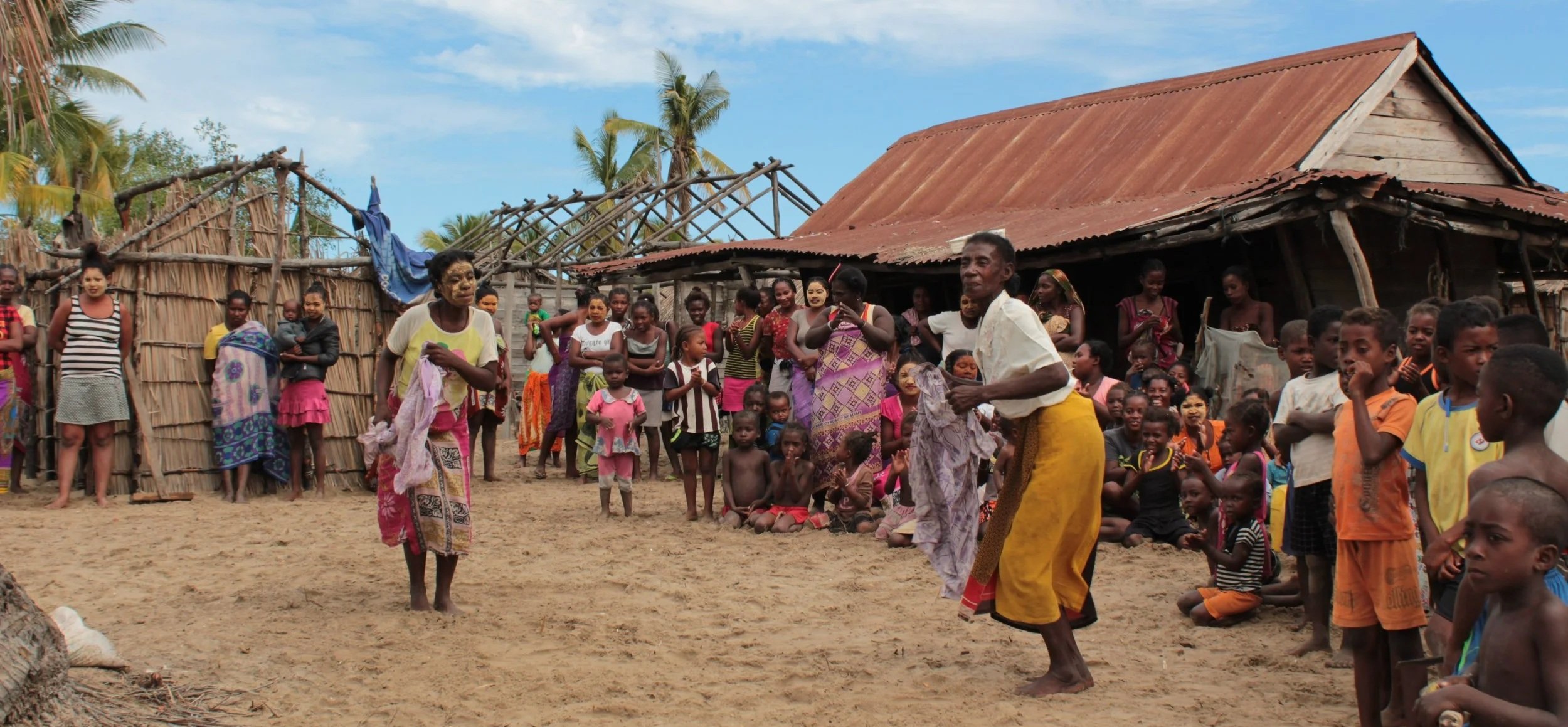
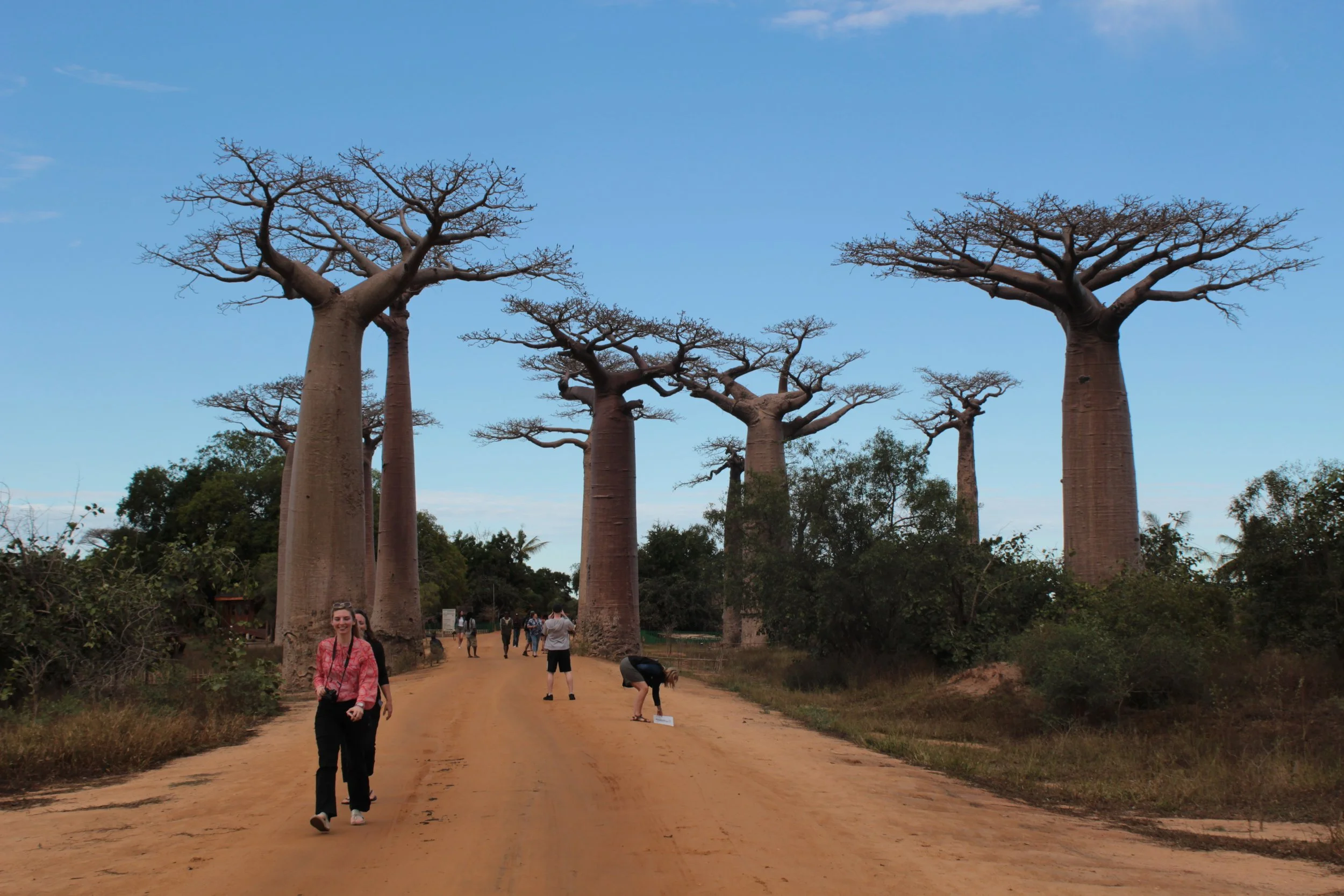
The Avenue of the Baobabs near Morondava is one of the most photographed natural landscapes on earth — a dirt road flanked by towering ancient baobab trees, some over 800 years old, their swollen trunks glowing amber in the golden hour light. It is a genuinely extraordinary sight, and the practical reality — that it is a working rural road used by ox-carts and cyclists — adds to rather than diminishes the experience. Before reaching the Avenue, most itineraries build in a morning exploring the Menabe region's protected mangroves by canoe — excellent for birdwatching, and often combined with traditional Sakalava-style crab fishing — followed by an atmospheric picnic lunch in a local village, which may feature dancing!
The Kirindy Forest nearby is one of the best places in Madagascar to see the fossa — the island's elusive cat-like apex predator — as well as giant jumping rats, multiple lemur species including Verreaux's sifaka, and an extraordinary range of nocturnal wildlife on night walks. Morondava itself is a pleasant coastal town and the gateway for the journey north to Tsingy de Bemaraha, one of Madagascar's most spectacular geological formations — a forest of razor-sharp limestone pinnacles that is also a UNESCO World Heritage Site.
Tsingy de Bemaraha: Madagascar's Stone Forest
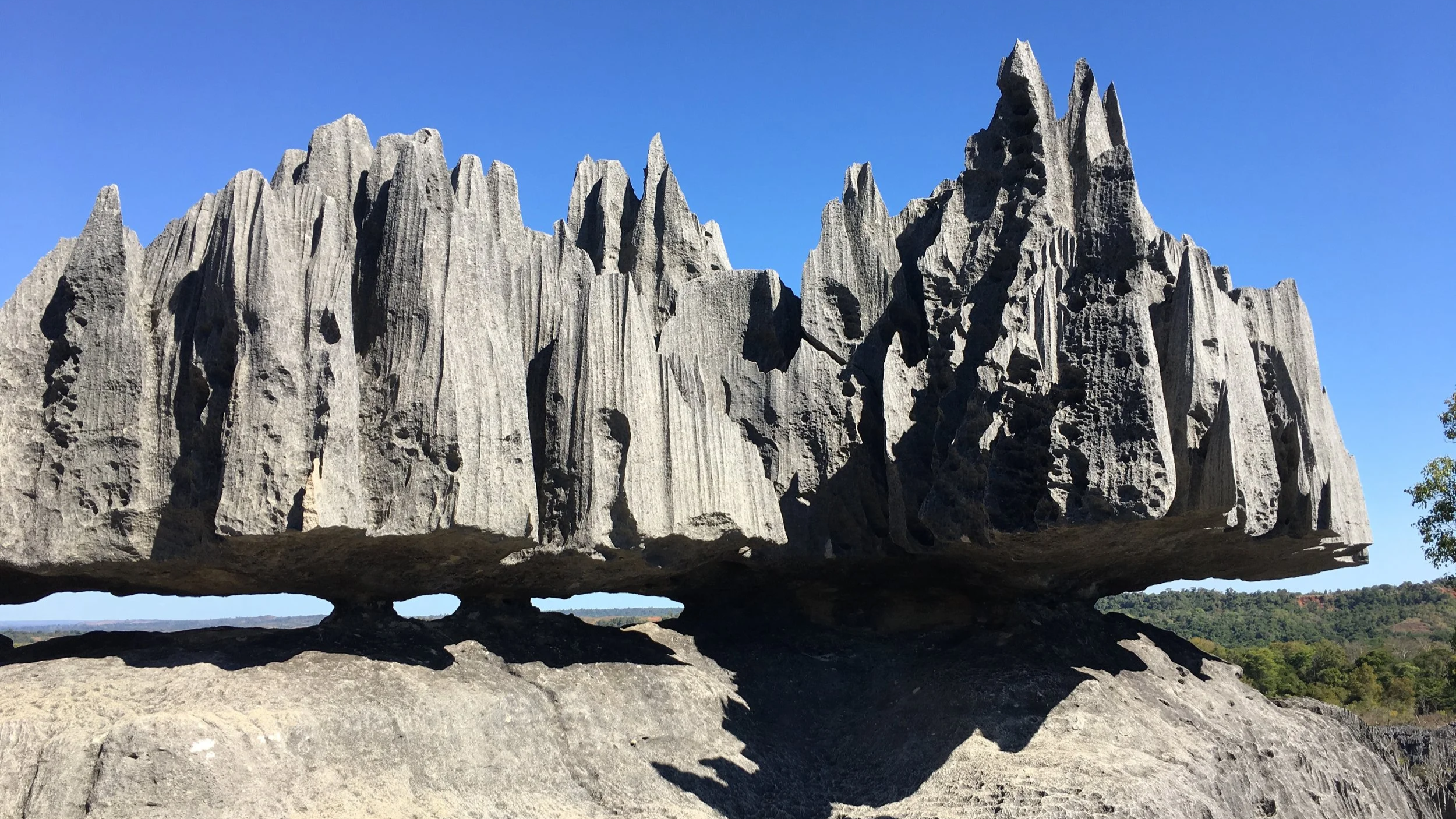
The Tsingy de Bemaraha is one of the most extraordinary landscapes anywhere in Africa or the Indian Ocean — a vast plateau of razor-sharp limestone pinnacles, some rising up to 100 metres, carved over millions of years as ancient seabed limestone was dissolved along fracture lines by rainwater and groundwater. The word "tsingy" comes from the Malagasy for walking on tiptoes, which tells you most of what you need to know about the terrain. Exploring the Grand Tsingy circuit involves via ferrata sections, ladders, suspension bridges and narrow rock corridors, threading between the pinnacles and through cool underground caverns. It is physical and, in places, genuinely exposed, but not technically difficult, and the reward is unlike anywhere else on the island. The gentler Petit Tsingy circuit — sometimes called the 'small Tsingy' — covers similar terrain at a lower level, without the harnessed sections, and suits travellers who want the experience without the exposure. The park is also home to several resident lemur species, so a guided nature walk here is as much a wildlife outing as a geological one.
This is one of the most remote of Madagascar's highlights, and the way you reach it makes a real difference to the trip. The park is only accessible in the dry season, roughly April to November. My preferred way in, and the one I have used myself, is a private charter flight from Morondava directly to the Bekopaka airstrip — around an hour in the air, over a genuinely spectacular stretch of western Madagascar, in place of what would otherwise be an 8 to 10-hour 4x4 journey on rough roads with two river ferry crossings by barge. It turns a gruelling logistical day into a scenic one, and I build it into most of the itineraries I plan for this reason. The overland route is still there for travellers who want to experience the journey itself, or who are travelling on a tighter budget, but for most clients I recommend flying in and saving the time and energy for the Tsingy itself. Once at Bekopaka, I suggest two nights: a full day exploring the Grand and/or Petit Tsingy circuits, plus a morning or afternoon canoe trip along the Manambolo River, which winds through a dramatic canyon on the park's southern boundary — a wonderfully calm, scenic contrast to the physical exertion of the Tsingy circuits, and a good way to spot birdlife along the water. Along the Manambolo Gorge, keep an eye on the cliff faces as you paddle by — tucked into ledges and cave openings high above the water are ancient tombs belonging to the Vazimba, Madagascar's legendary first inhabitants, said to have arrived by boat long before the ancestors of today's Sakalava people. Local tradition holds that the Vazimba deliberately chose these inaccessible, elevated resting places, and the sites remain considered fady — sacred and taboo — by the Sakalava communities who still live along the river today. Guides will usually point them out as you pass beneath, one of the quieter, more atmospheric moments of the canoe trip.
Nosy Be & the Coast
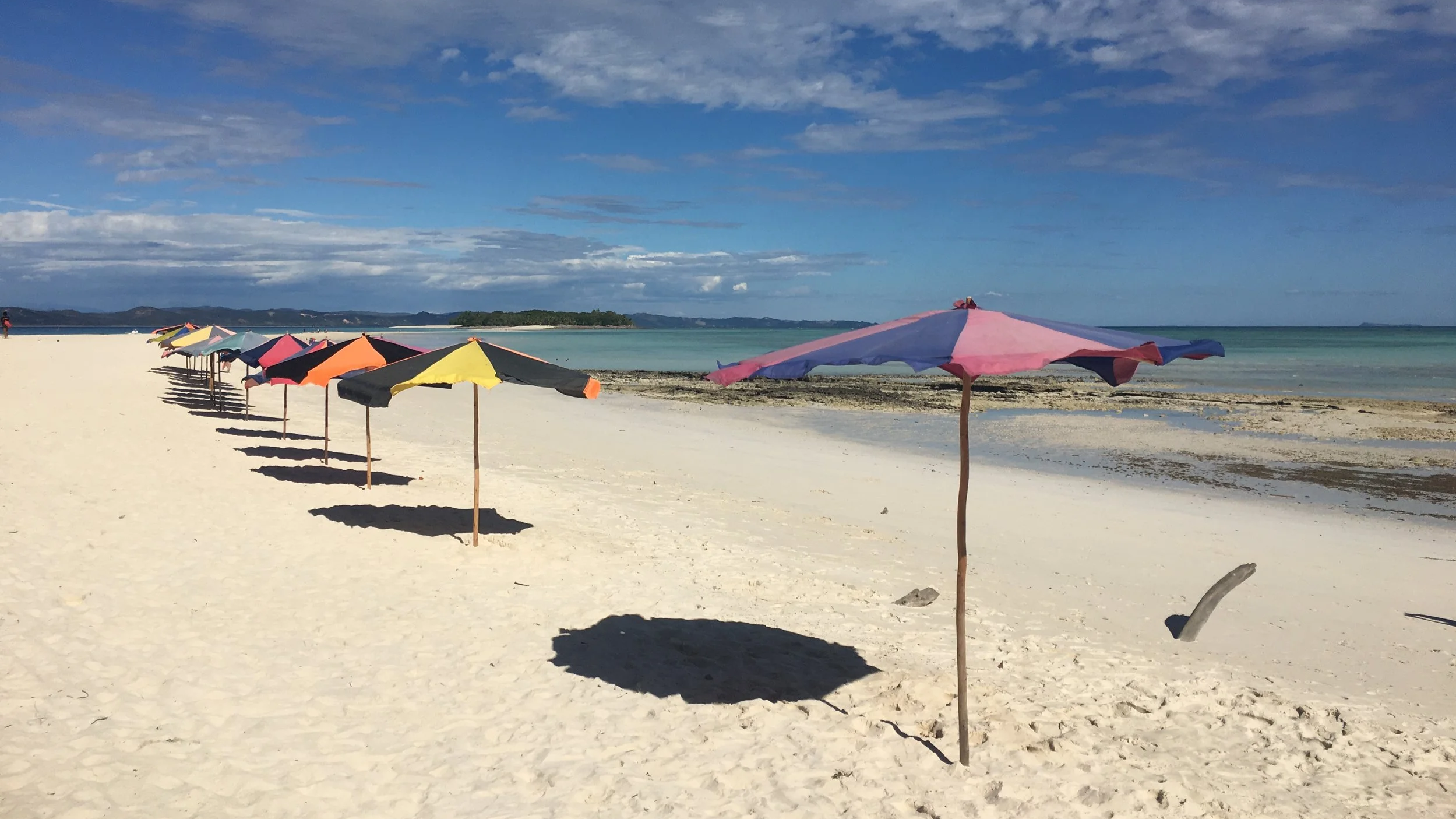
Nosy Be is Madagascar's premier beach destination — a lush, fragrant island off the northwest coast, known for its clear water, excellent diving and snorkelling, and the extraordinary spectacle of humpback whales that pass through the channel between roughly July and September. Most Madagascar itineraries end here: it is the perfect decompression after days of trekking through rainforest and navigating challenging roads, and the island itself holds real interest of its own, from the Lokobe Nature Reserve to a sunset over the crater lakes from Mont Passot, one of my own favourite moments from my time there.
Nosy Be is also simply the gateway to one of the most beautiful island archipelagos anywhere in the Indian Ocean. Several smaller islands sit within easy reach by boat, each with a genuinely different character, and I encourage clients to build at least one or two into their stay rather than treating Nosy Be as the final word.
Nosy Sakatia: The quietest and closest of the satellite islands, a short boat ride from Nosy Be, with no roads and very few visitors. Its calm, shallow bays are home to green turtles that feed on the seagrass beds just offshore, and swimming alongside them is genuinely magical. I stayed at Sakatia Lodge myself, and it remains one of my favourite low-key hideaways in the whole archipelago.
Nosy Komba: Known as the lemur island, and a popular half-day trip from Nosy Be. Its forests are home to a population of black lemurs habituated enough to approach visitors closely, alongside chameleons and tortoises. There are no cars here, only footpaths between the small fishing village and the forest — it makes for a peaceful contrast to the main island.
Nosy Tanikely: A protected marine reserve about 30 minutes from Nosy Be, and one of the best spots in the archipelago for snorkelling and diving — its reefs are strictly protected, and green turtles are a near-certain sighting. Many clients combine a morning at Tanikely with an afternoon at Nosy Komba as a single day out.
Nosy Iranja: The most striking of the satellite islands — a pair of islets joined by a 1.2km white sandbank that appears at low tide, reachable on a marine safari in search of whale sharks, dolphins and turtles, with the chance, at the right time of year, of witnessing turtle nesting. Many operators offer this as an overnight beach camping excursion, which makes for one of the most memorable single nights of a Madagascar trip.
Further afield — island luxury beyond Nosy Be: For clients wanting a more secluded, higher-end island stay, the Mitsio Archipelago further north is home to Constance Tsarabanjina, a barefoot-luxury lodge of just 25 beach villas on its own private islet, reached by a scenic boat transfer or helicopter from Nosy Be. It is a genuinely different register from a Nosy Be day-tripper island: excellent diving on the Mitsio reefs, deep-sea fishing, and total seclusion, with none of the through-traffic of the main island. I mention it as an option for honeymooners or anyone wanting a private-island finish without the cost or remoteness of Miavana in the far north.
Nosy Ankao & Miavana: The Ultimate Luxury Add-On
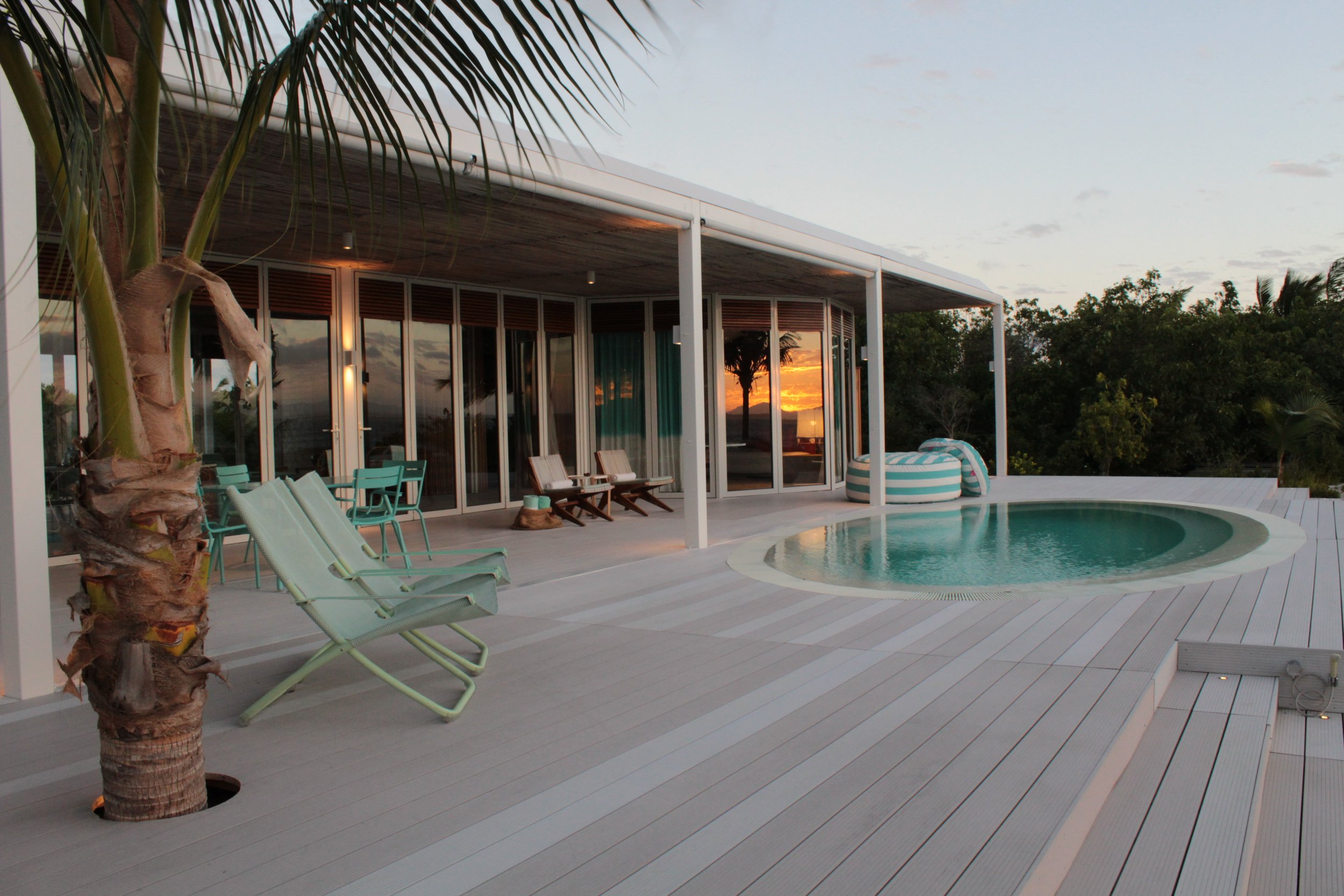
Nosy Ankao — a private, reef-fringed island off Madagascar's far northeast coast — is home to Miavana by Time + Tide , one of the most exceptional lodges anywhere in the Indian Ocean. It combines wildlife and marine adventure with a level of luxury unmatched elsewhere in Madagascar, and I highly recommend it either as a standalone destination or as the finishing chapter to an itinerary built around the west and the Tsingy. Very few independent UK safari specialists have actually stayed at Miavana — it remains a genuinely rare addition to a Madagascar itinerary, and I can speak of it from firsthand experience.
Miavana sits within a roughly 15,000-hectare protected marine area, the largest of five islands forming the Nosy Ankao archipelago, and is reached by scheduled flight to Diego Suarez in the far north of Madagascar, followed by a spectacular helicopter transfer over reefs, mangroves and forest. Just 14 luxurious villas are spaced out along the beachfront so the island never feels remotely busy.
On the water: Miavana calls its marine programme a 'Blue Safari,' and it is the heart of the experience. Expect scuba diving and snorkelling on pristine, rarely-dived reefs, fly and deep-sea fishing for species including sailfish, marlin and giant trevally, kite-surfing and paddleboarding, and boat excursions in search of dolphins, manta rays and turtles. Humpback whales pass close to the island between roughly July and October, and turtles nest on Miavana's beaches from December through into the new year.
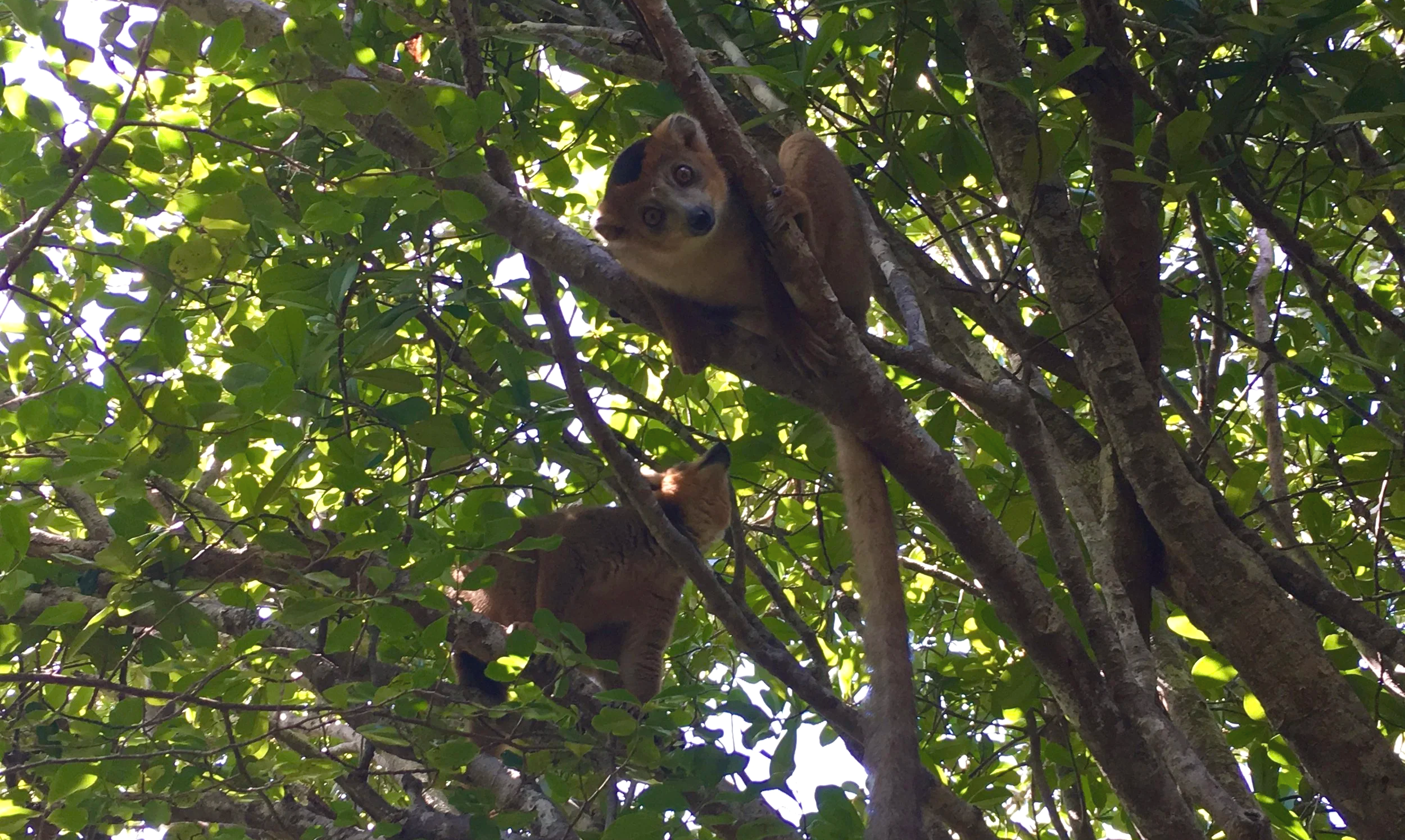
On land: Guided forest walks on Nosy Ankao itself offer excellent chances of seeing the island's population of crowned lemurs, alongside chameleons and rich birdlife. For a bigger day out, Miavana runs helicopter excursions to the mainland, most notably to Ankarana Reserve and Montagne d'Ambre (Amber Mountain) National Park — both otherwise difficult to reach — for further lemur species, some of Madagascar's most dramatic limestone and rainforest scenery, and the chance of spotting the fossa, Madagascar's largest native predator.
Best time to visit: Miavana is a genuine year-round destination, though April to December brings the driest, sunniest conditions for diving and watersports. July to September is peak season for humpback whales, while December to February/March is turtle nesting season. The main rains fall from January to April, though showers tend to be brief and overnight.
For clients who have just spent a week or more in the wilder, more physical parts of western Madagascar — the Tsingy, the Baobabs, the Manambolo — Miavana makes a spectacular final few nights: a complete change of pace, exceptional food and service, and a proper decompression before the long flight home.
Elsewhere in Madagascar
Madagascar's eastern rainforests and southern canyon country are also extraordinary, and worth building into a longer or first Madagascar itinerary:
Andasibe-Mantadia National Park (East)
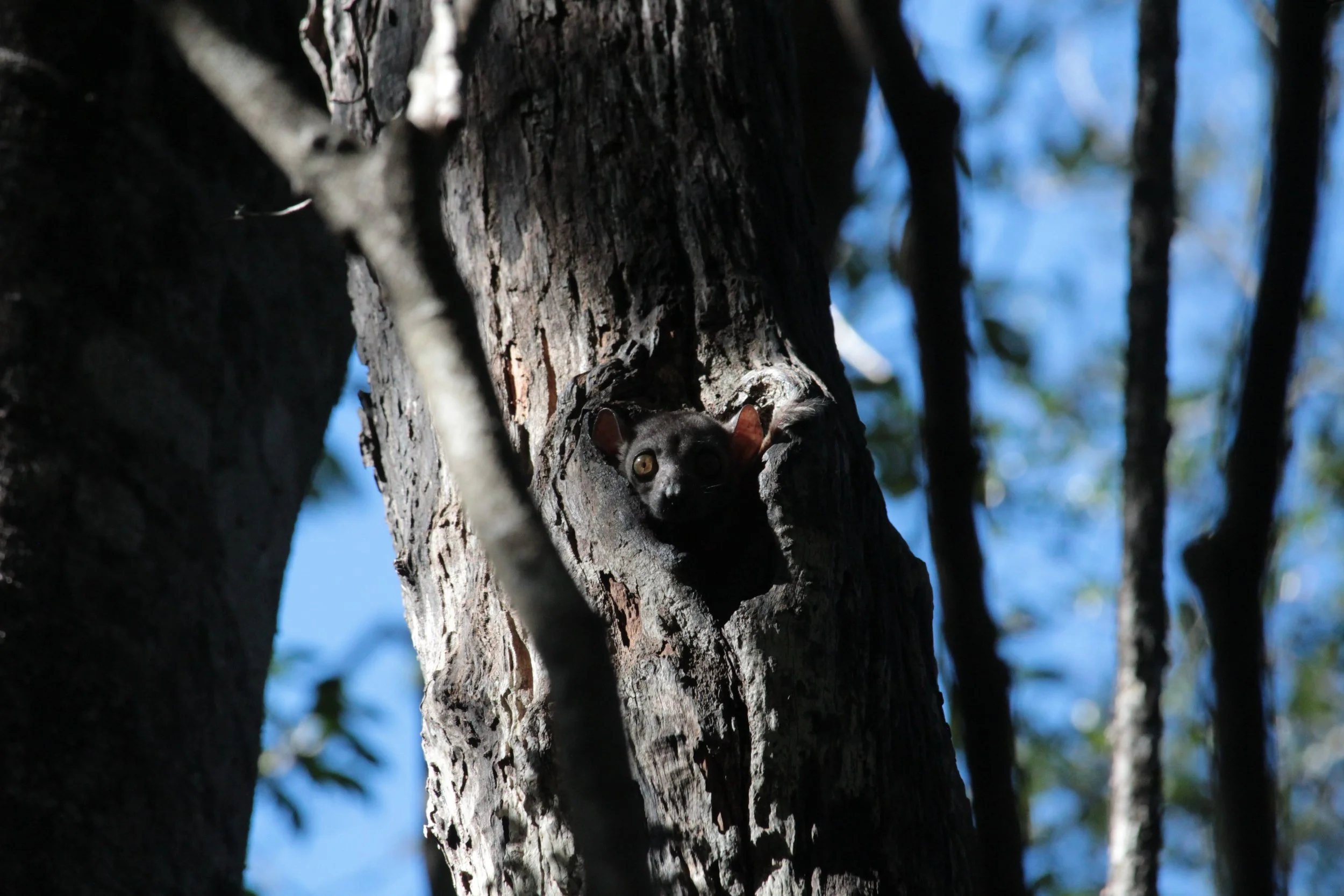
Andasibe is the most accessible of Madagascar's national parks — a few hours' drive east of the capital Antananarivo — and the best place on earth to hear and see the indri, the largest living lemur. The indri's call is one of the great wildlife sounds — a haunting, mournful wail that echoes across the rainforest canopy in the early morning, and can carry for up to three kilometres. Finding the group that made it, and then watching the family in the trees overhead, is an experience visitors describe for years afterwards.
Andasibe holds 11 lemur species in total, including the black-and-white ruffed lemur and the diademed sifaka in the adjacent Mantadia section. Night walks reveal a further cast of nocturnal species — mouse lemurs, woolly lemurs, and the extraordinary leaf-tailed geckos that hide in plain sight on tree bark during the day. The park is also superb for birding and chameleon spotting.
Most visitors spend two nights at Andasibe — enough to do a morning guided walk for the indri, an afternoon of the park trails, and a night walk. It combines naturally with Ranomafana to the south on a classic central circuit.
Ranomafana National Park (South-East)
Ranomafana is a UNESCO World Heritage Site and one of Madagascar's finest rainforest parks, situated in the southeastern highlands. It is the only reliable place in the world to see the golden bamboo lemur — a species discovered as recently as 1986, which feeds almost exclusively on the shoots of giant bamboo and tolerates cyanide levels in its diet that would be lethal to most mammals. The park also holds the greater bamboo lemur, the red-bellied lemur, and 12 other lemur species, alongside extraordinary reptile and bird diversity.
Ranomafana's terrain is steep and its forest dense — walks here are more demanding than Andasibe but reward the effort with a wilder, more immersive atmosphere. The park village of Ranomafana also offers thermal hot springs, a reminder that this part of Madagascar sits on geologically active ground.
Isalo National Park (South)
Isalo is Madagascar's most dramatic landscape — a vast sandstone massif in the south of the island, eroded over millions of years into labyrinthine canyons, natural swimming pools fed by clear streams, and sweeping plateau views. It is the place most reminiscent of a classic desert park, though the wildlife is entirely Malagasy: ring-tailed lemurs sunbathing on rocks, Verreaux's sifaka dancing between spiny plants, and paradise flycatchers in the riparian vegetation.
Isalo works best as a trekking destination — half-day and full-day canyon walks are the primary activity, with the natural pools providing welcome swimming breaks in the heat. It sits naturally on the RN7 route south from Antananarivo and combines with the surrounding spiny forest and the coast at Ifaty for a classic southern Madagascar circuit.
When Is the Best Time to Visit Madagascar?
Madagascar's climate varies dramatically between regions — the east coast receives rain year-round, the west has a pronounced dry season, and the south is semi-arid. Timing depends on which areas you are visiting.
| Region | Jan–Mar | Apr–Jun | Jul–Oct | Nov–Dec |
|---|---|---|---|---|
| Hot / Wet Season | Transitional / Shoulder | Dry Season Peak | Early Rains | |
| Andasibe (East) | Hot and very wet. Indri calling year-round. Trails very muddy. Fewer visitors but challenging access. | Wet season easing. Lush rainforest. Lemurs active. Good value and quieter than peak. | Best time. Drier trails, cooler temperatures. Indri most vocal and active. Excellent wildlife. | Short rains begin. Still good — lemurs remain active. Fewer visitors than July–Sept. |
| Ranomafana (South-East) | Wet season — golden bamboo lemur and other species active but trails slippery. Atmospheric forest. | Transitional. Trails drying. Good lemur sightings. Excellent birding continues. | Peak season. Best trail conditions. All lemur species including golden bamboo lemur. Excellent birding. | Rains beginning. Still good wildlife. Atmospheric — mist in the forest canopy. |
| Morondava / Baobabs (West) | Wet season in the interior. Baobabs surrounded by flooded rice fields — very photogenic. | Transitional. The Avenue of Baobabs accessible. Kirindy Forest excellent for fossa and nocturnal lemurs. | Peak season. Avenue of Baobabs at golden-hour sunset is iconic. Kirindy: fossa, sifaka, mouse lemurs. | Early rains. Baobabs still spectacular. Kirindy accessible. Good value shoulder season. |
| Isalo NP (South) | Hot — often over 40°C. Some trails closed. Canyon landscapes dramatic with rains. | Cooling down. Excellent for trekking. Ring-tailed lemurs and sifaka active. Very good conditions. | Peak season. Best trekking. Ring-tailed lemurs in canyon pools. Verreaux's sifaka. Dramatic dry landscapes. | Short rains beginning. Still excellent. Ring-tailed lemurs vocal. Quieter than peak. |
| Nosy Be (Coast) | Hot, humid, occasional cyclone risk in Jan–Mar. Still beautiful. Whale sharks present. | Shoulder season. Ideal beach weather. Diving and snorkelling excellent. Quieter and good value. | Prime season. July–Sept: humpback whales. Clear seas, excellent diving. Cooler breezes. | Short rains. Still warm. Good beach weather. Festive season busy in December. |
Is Madagascar Right for You?
Madagascar is not a destination for everyone — and that is part of what makes it special for those who do go.
Madagascar is the right choice if you want to...
• See wildlife found absolutely nowhere else on earth — lemurs, fossas, chameleons, and extraordinary endemics
• Experience a destination that is genuinely off the beaten track, not sanitised for mass tourism
• Combine wildlife with extraordinary landscapes — baobabs, limestone pinnacles, sandstone canyons, Indian Ocean beaches
• Go somewhere that will genuinely surprise you — Madagascar rarely meets expectations because it exceeds them
• Travel as a nature photographer — the endemic wildlife and landscapes offer extraordinary subjects
Be prepared for the fact that...
• Madagascar requires patience — roads are challenging, logistics are complex, and things don't always go to plan
• There is no Big Five safari in the traditional sense — Madagascar's wildlife is unique but different from classic African game parks
• It is not a quick destination — a worthwhile itinerary needs at least ten days, ideally two weeks or more
• The infrastructure is less polished than other destinations — but the lodges in the parks are comfortable and well run
Planning Your Madagascar Holiday with Lucie
Madagascar rewards those who plan it well. The routing between regions, the choice of parks for your specific interests, and the logistics of getting between them (a mix of domestic flights and road transfers) all need careful thought. These are exactly the decisions I take care of.
I am selective about which clients I recommend Madagascar to — it suits a specific kind of traveller — and when I do recommend it, I build the itinerary from scratch around their interests, fitness, and time available. Every Madagascar trip I arrange is different.
For a broader look at what drives safari costs across Africa, see my full safari costs guide.
Practical Information for Madagascar
Visas & Entry
UK passport holders can obtain a visa on arrival at Antananarivo's Ivato International Airport and other major entry points. For stays of up to 15 days, there is no traditional visa required, though an administrative fee is payable — this was increased from €10 to approximately €30 for e-visa applications in February 2026, though on-arrival counters and embassies may not yet reflect this increase, so it is worth confirming the current fee shortly before travel. For stays of 30 or 60 days, a visa on arrival is available and payable in US dollars, Euros, or Malagasy Ariary. An eVisa can also be applied for online in advance. Your passport must be valid for at least six months from your date of entry with at least two blank pages.
NB: Always verify current visa fees and procedures before travel at the Madagascar immigration authority website.
Health & Vaccinations
Madagascar has a malaria risk throughout the country, including coastal areas. Antimalarial medication is strongly recommended. Consult a travel health clinic at least 6–8 weeks before departure. Plague (bubonic and pneumonic) exists in some rural areas — this sounds alarming but the risk to travellers is extremely low; your travel health clinic will advise. Other recommended vaccinations typically include hepatitis A, typhoid, and tetanus. Yellow fever vaccination is required if arriving from a country with risk of transmission.
Getting There
Most UK flights to Madagascar route via Paris (Air France to Antananarivo) or Nairobi and Johannesburg. There are no direct flights from the UK. Journey time is typically 14–18 hours including connections. Domestic travel within Madagascar is by Air Madagascar (Tsaradia) for longer distances, supplemented by road transfers — I coordinate all internal logistics as part of your itinerary.
Practical Realities
Madagascar is a challenging destination by African standards. Road quality outside the RN7 route can be poor, and journey times are often significantly longer than maps suggest. Building buffer time into the itinerary is essential. Most park lodges are comfortable and well-run, with excellent local guides — but do not expect the seamless luxury of an East African fly-in camp. The reward for accepting these realities is an experience most visitors describe as one of the most extraordinary of their lives.
Madagascar holidays: Frequently Asked Questions
-
For stays of up to 15 days, UK citizens do not need a visa but pay an administrative fee on arrival — recently increased from €10 to approximately €30 for e-visa applications (as of February 2026), though this may differ at arrival counters, so it's worth checking close to your travel date. For stays of 30 or 60 days, a visa on arrival is available, payable in USD, Euros, or Malagasy Ariary. An eVisa can also be applied for online in advance. Your passport must be valid for at least six months from entry with at least two blank pages.
-
April to October is generally considered the best time to visit — the dry season across most of the island means more accessible trails, better wildlife viewing, and more comfortable travel. July to September is peak season, when humpback whales pass through the Nosy Be channel and park conditions are at their best. The east coast rainforest parks (Andasibe, Ranomafana) can be visited year-round, though the wet season (January–March) makes trails very challenging.
-
In the national parks, lemur sightings are highly reliable but not technically guaranteed. In parks like Andasibe, the habituated indri groups are found on almost every morning guided walk. At Ranomafana, golden bamboo lemurs are reliably seen with a good guide. At Berenty in the south, ring-tailed lemurs and sifakas are almost always encountered within minutes of entering the reserve. A good local guide makes an enormous difference to the number and quality of sightings.
-
A worthwhile Madagascar itinerary needs at least ten days — ideally two weeks or more. The distances between regions are significant and roads are slow, so rushing between parks means missing the depth of each. A classic two-week itinerary might cover Andasibe, Ranomafana, Isalo, the Avenue of Baobabs, and Nosy Be, with a mix of road transfers and short domestic flights.
-
By the standards of an established safari destination, yes — roads can be very challenging, logistics require careful planning, and things don't always go exactly to schedule. That said, with good planning and the right expectations, these realities become part of the adventure rather than a problem. The lodges in the main parks are comfortable and well run, guides are excellent, and the rewards far outweigh the challenges for the right traveller.
-
Madagascar's endemic wildlife extends far beyond lemurs. Chameleons — Madagascar has two-thirds of the world's species — are highlights for most visitors, with species ranging from the enormous Parson's chameleon to the barely-visible Brookesia micro. The fossa, Madagascar's cat-like apex predator, can be seen in Kirindy Forest. Giant jumping rats, brightly coloured geckos, and extraordinary birds including the spectacular ground-roller family are all part of the Madagascar experience.
-
Yes, and it is one of the most popular ways to see Madagascar. Most routings connect through Johannesburg or Nairobi, making it straightforward to combine with a Southern or East Africa safari — for example, a week in South Africa or Kenya followed by ten days to two weeks in Madagascar. I regularly plan combined itineraries this way, and can advise on the most efficient routing and timing for your specific combination.
-
Île Sainte-Marie, off Madagascar's northeast coast, offers the most reliable humpback whale watching in the country, with boats going out daily from around June to September and sightings close to guaranteed at the July–August peak. Nosy Be also sees humpback whales passing through its channel in a similar window, though in smaller numbers than the dedicated whale-watching grounds around Sainte-Marie.
-
It depends on the itinerary. Beach-based stays on Nosy Be or its satellite islands, or Île Sainte-Marie, work well for families with younger children, with calm lagoon swimming and lemur encounters that are genuinely exciting for kids. The more physically demanding regions — the Tsingy circuits in particular — are better suited to older children and teenagers. I tailor the itinerary and pacing to the ages of the children travelling, rather than applying a one-size-fits-all route.
Ready to Plan Your Madagascar Adventure?
Madagascar suits a particular kind of traveller — and if that sounds like you, I'd love to help you plan it. Get in touch and we'll talk through whether it's the right destination, and if so, how to do it justice.