
Tanzania Safari Holidays
Bespoke Botswana safaris, expertly planned by a UK specialist with over 28 years of on-the-ground experience.
Tanzania contains some of the most extraordinary wildlife experiences on earth — the Great Migration, the Ngorongoro Crater, the wild remoteness of Ruaha — and yet it still manages to surprise even the most well-travelled safari-goer. There is always more to discover here.
Why Choose Tanzania for Your Safari?
Tanzania is, quite simply, one of the greatest wildlife destinations on earth. Home to the Serengeti — the world's most celebrated safari ecosystem — it offers experiences that most people only dream of: wildebeest in their millions, lion prides sprawled across kopjes at sunset, and the otherworldly spectacle of the Ngorongoro Crater, where the Big Five roam in an ancient volcanic caldera.
But Tanzania is far more than the northern circuit. Head south to the vast wilderness of Ruaha, or the boating and walking safaris of Nyerere (formerly the Selous), and you enter a different Africa entirely — remote, raw, and blissfully uncrowded. Add a few days on the spice-scented shores of Zanzibar, and you have one of the great safari and beach combinations anywhere in the world.
Tanzania suits a wide range of travellers: first-timers drawn by the magnetic pull of the migration, seasoned safari-goers seeking remoteness and rarity, families who want classic wildlife without compromise, and honeymooners looking for romance under an infinite African sky.
Lucie’s take on Tanzania: The Selous or Nyerere as it now is is where I fell in love with Africa on my very first safari, so this massive country will always have a place in my heart. Whilst it can be slightly more complex to reach than it’s neighbour Kenya, it has it’s own distinct character and rewards travellers with rich culture, spectacular landscapes and incredible wildlife.
Tanzania's Key Safari Areas
Tanzania's safari regions divide broadly into the northern circuit — the Serengeti, Ngorongoro, Tarangire, and Lake Manyara — and the remote southern circuit of Ruaha and Nyerere. Most itineraries focus on one circuit, though combining both on a longer trip is one of Africa's great safari experiences.
The Serengeti: Africa's Greatest Wildlife Stage
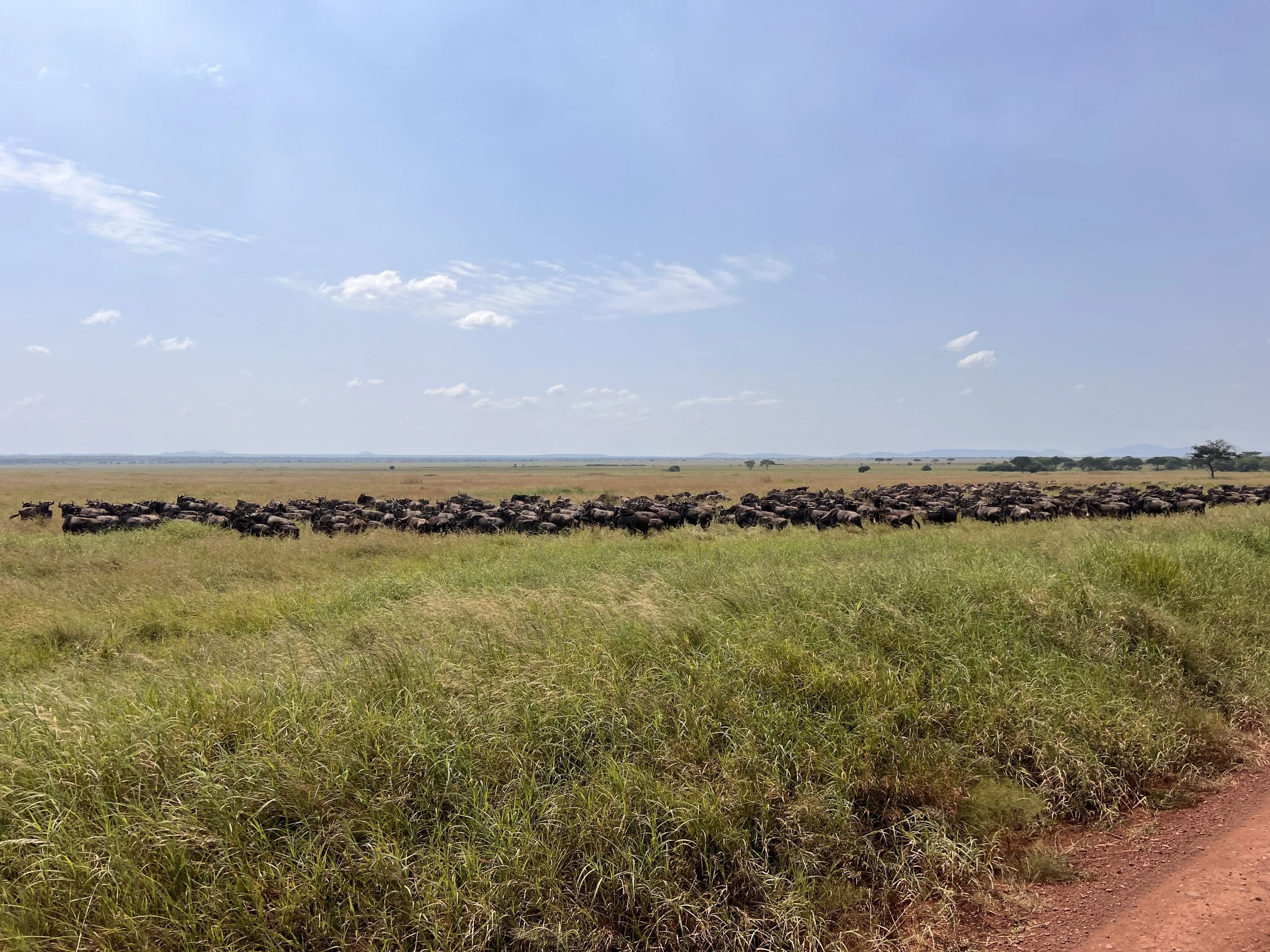
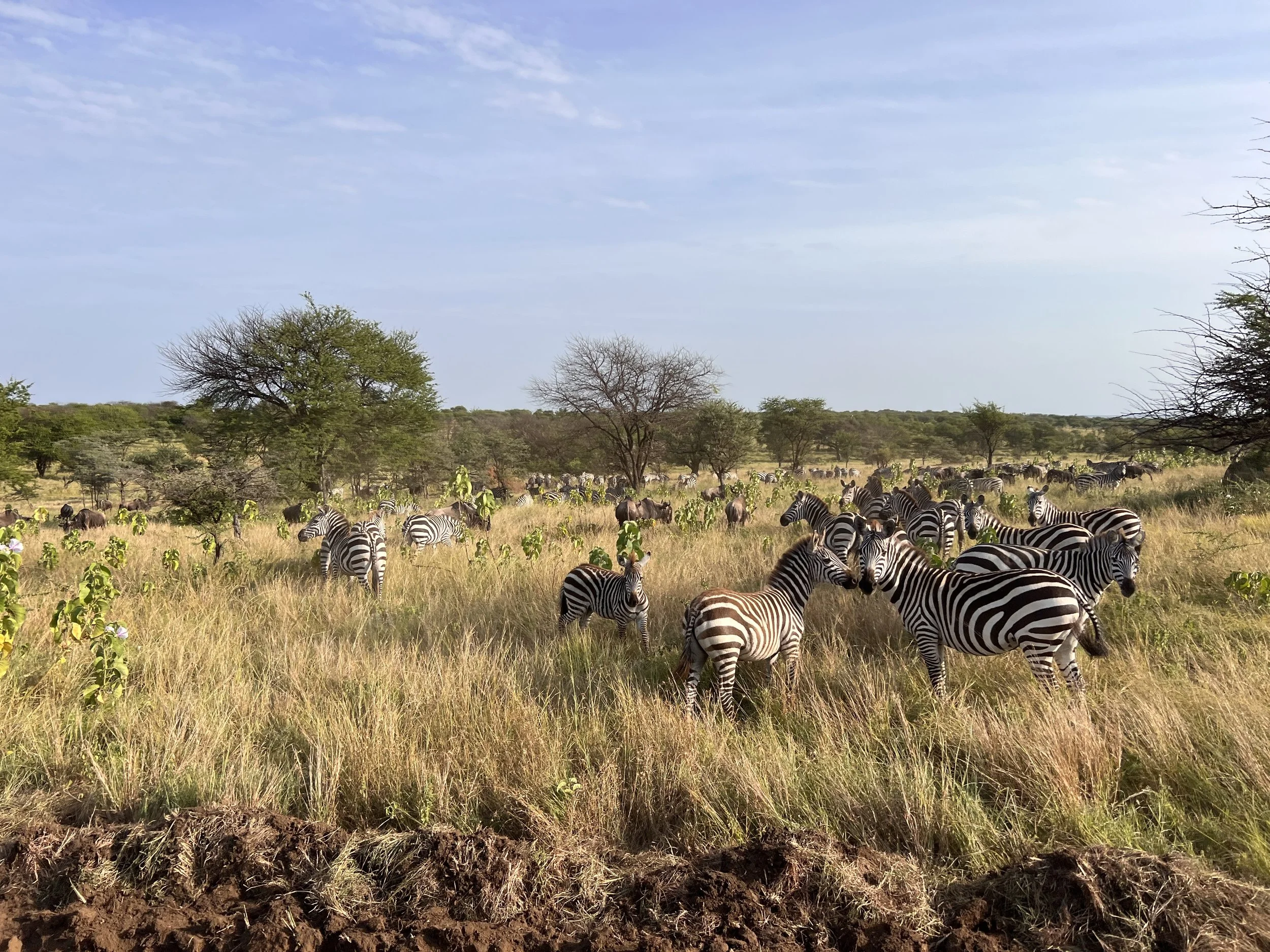
The Serengeti needs no introduction — it is one of the most famous ecosystems on earth, and it earns every word of its reputation. More than 1.5 million wildebeest, 200,000 zebra, and 300,000 Thomson's gazelle move continuously through this vast landscape in search of fresh grass, tracked by lion, leopard, cheetah, and hyena.
The Serengeti is enormous — 14,763 square kilometres — and where you stay matters enormously. The central Seronera area offers reliable year-round game viewing and is well served by mid-range to luxury lodges. The northern Serengeti, near the Mara River, is where the great crossings happen from July to October. The southern Serengeti and Ndutu plains host the calving season from January to March — one of the most underrated wildlife spectacles anywhere in Africa.
The eastern Serengeti — the Namiri Plains area — is one of the most exciting and least visited parts of the entire ecosystem. For over two decades this sector was closed entirely to tourism as part of a dedicated cheetah conservation programme. When it reopened in 2014, the results of that protection were immediately apparent: the cheetah density here is among the highest anywhere in Africa, and the open short-grass plains provide exactly the kind of terrain these cats prefer for hunting. ‘Namiri’ is the Swahili word for big cat, and the name is entirely apt.
Two excellent camps operate in this area. Asilia’s Namiri Plains is consistently rated among the best camps in the Serengeti for predator specialists and wildlife photographers. Entara’s Olmara Camp sits in the far eastern plains in the Soit le Motonyi region, where acacia woodland meets open savannah. Both camps are over an hour from the nearest neighbours, which means the game drives here feel genuinely exclusive in a way that the central Serengeti rarely can.
The Namiri area also sits in the path of the wildebeest migration as the herds move south between November and December, so timing a stay here at the tail end of peak season can deliver both the migration and extraordinary predator action in the same game drive. For cheetah enthusiasts in particular, this part of the Serengeti is without equal in East Africa.
Ngorongoro Crater: The World's Greatest Natural Arena
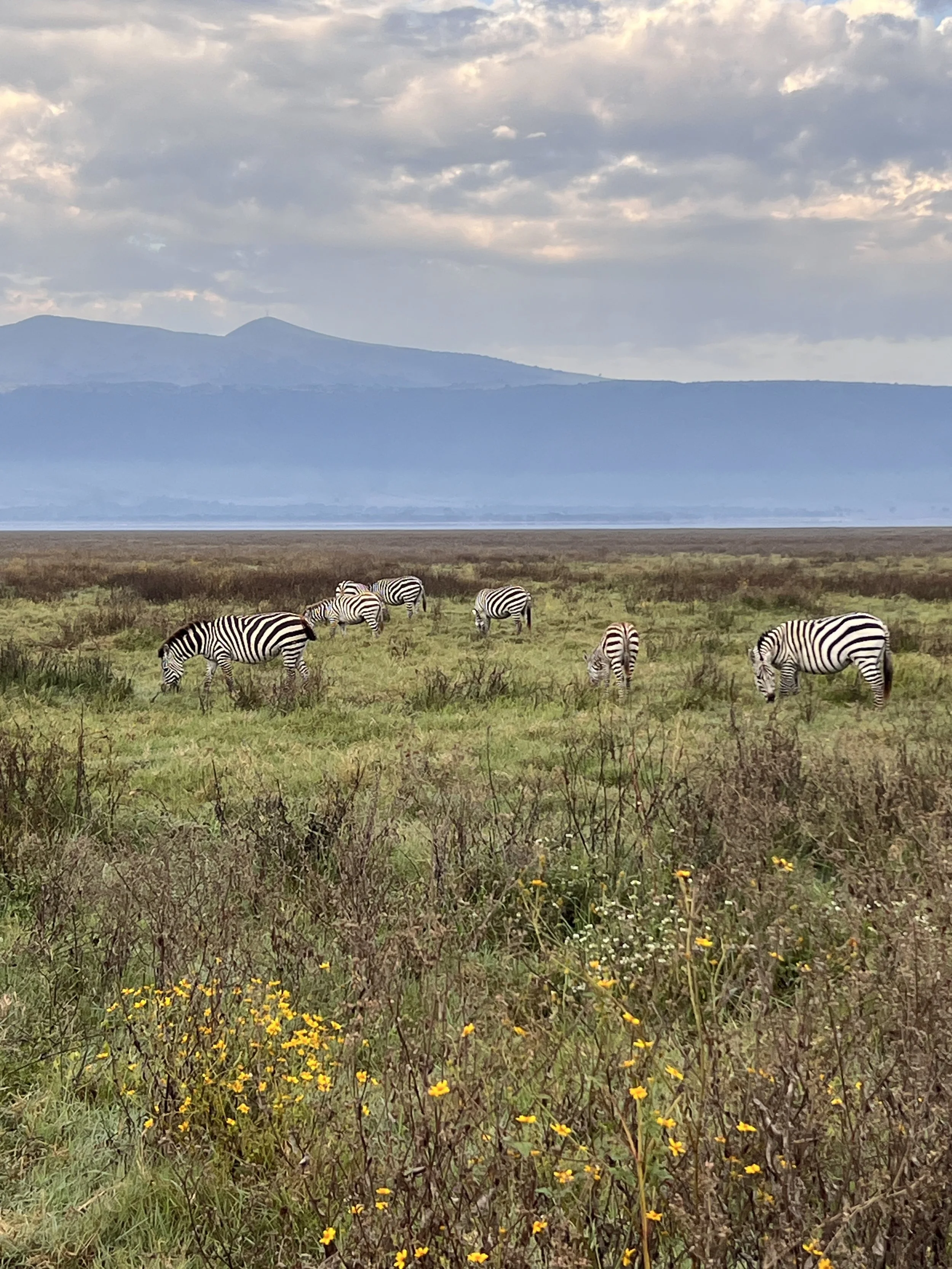
The Ngorongoro Crater is a UNESCO World Heritage Site and one of the most extraordinary places I have ever visited. Formed by the collapse of an ancient volcano around three million years ago, the 19-kilometre-wide caldera contains a complete, largely self-contained ecosystem: open grassland, forest, a soda lake, and a permanent river, all within walls that rise 610 metres from the crater floor.
The wildlife density inside the crater is astonishing. An estimated 25,000 large animals live within it permanently, including the world's highest density of lions and one of East Africa's most significant black rhino populations. It is also one of the more reliable places to see all of the Big Five in a single day. Most visitors descend into the crater for a half or full-day game drive, staying at one of the lodges perched on the crater rim with views across the caldera.
Lucie’s take on Ngorongoro: Whilst it’s spectacular, the crater can get very busy and start to feel a bit zoo-like. My advice is to stay in a lodge close to one of the descent roads, Nomad’s Entamanu would be my choice, and get in early so that you can appreciate it and get out before the crowds arrive.
Tarangire National Park: Baobabs, Elephants, and a Perfect First Night
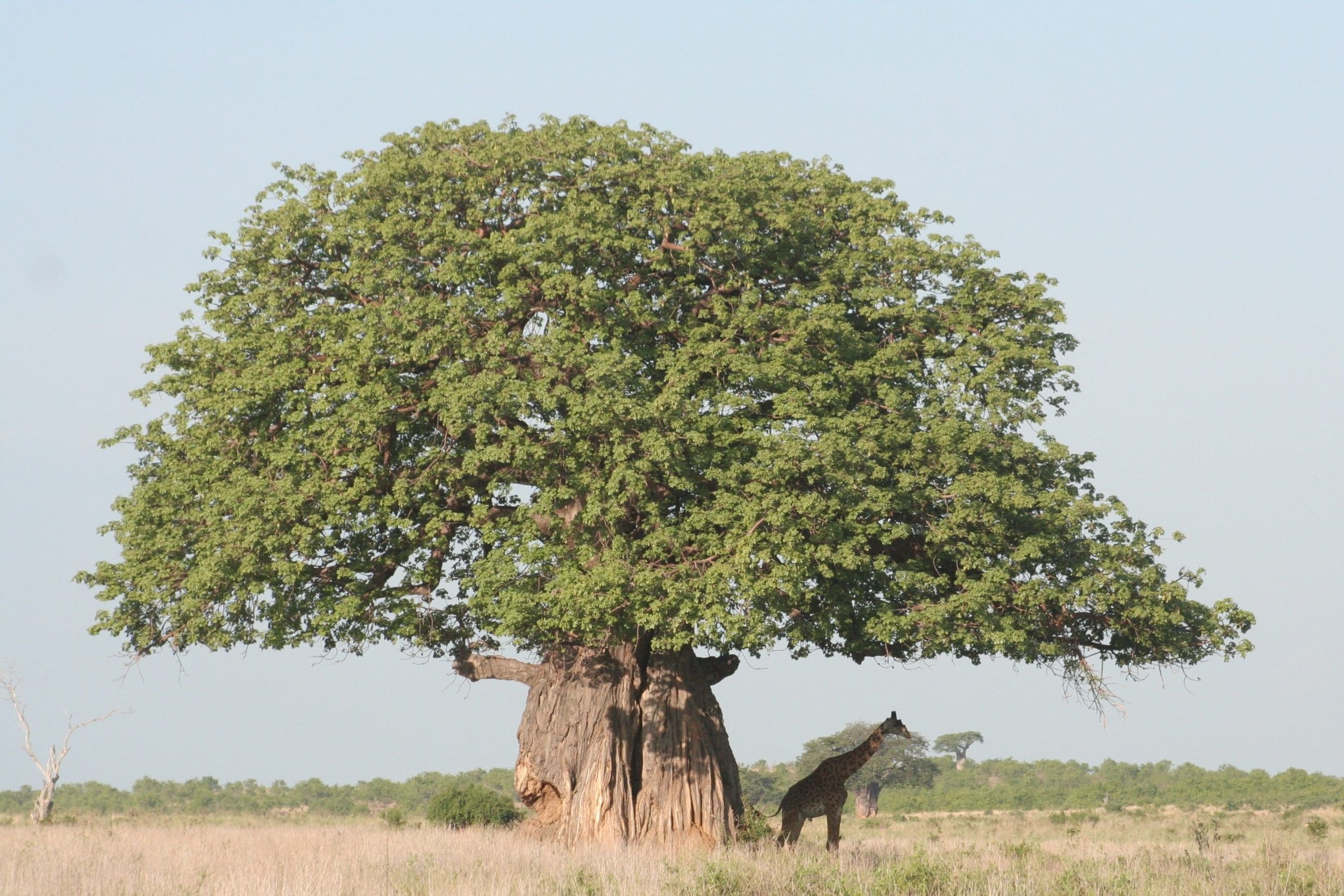
Tarangire is one of Tanzania's most rewarding and underappreciated parks, and it is often where I choose to begin a northern circuit itinerary. Rather than flying straight into the Serengeti on arrival day, spending the first night or two in Tarangire gives clients time to settle into the pace of safari, shake off the journey, and experience extraordinary wildlife in a more intimate setting.
During the dry season from June to October, the Tarangire River becomes a lifeline for wildlife across a vast area of northern Tanzania, drawing elephant herds of a size you will rarely see elsewhere — sometimes hundreds strong, moving through the ancient baobab landscape in extraordinary concentrations. Buffalo, lion, leopard, wild dog, and a remarkable diversity of birds are all regularly seen.
Tarangire is often compared to Lake Manyara as an alternative starting point for the northern circuit. Both work well, but Tarangire tends to offer more space, more elephants, and a less visited feel. Lake Manyara has its own charms — most notably its tree-climbing lions and the alkaline lake fringed with flamingos — and the two can be combined on longer itineraries.
Lake Manyara: Tree-Climbing Lions and Flamingo Shores
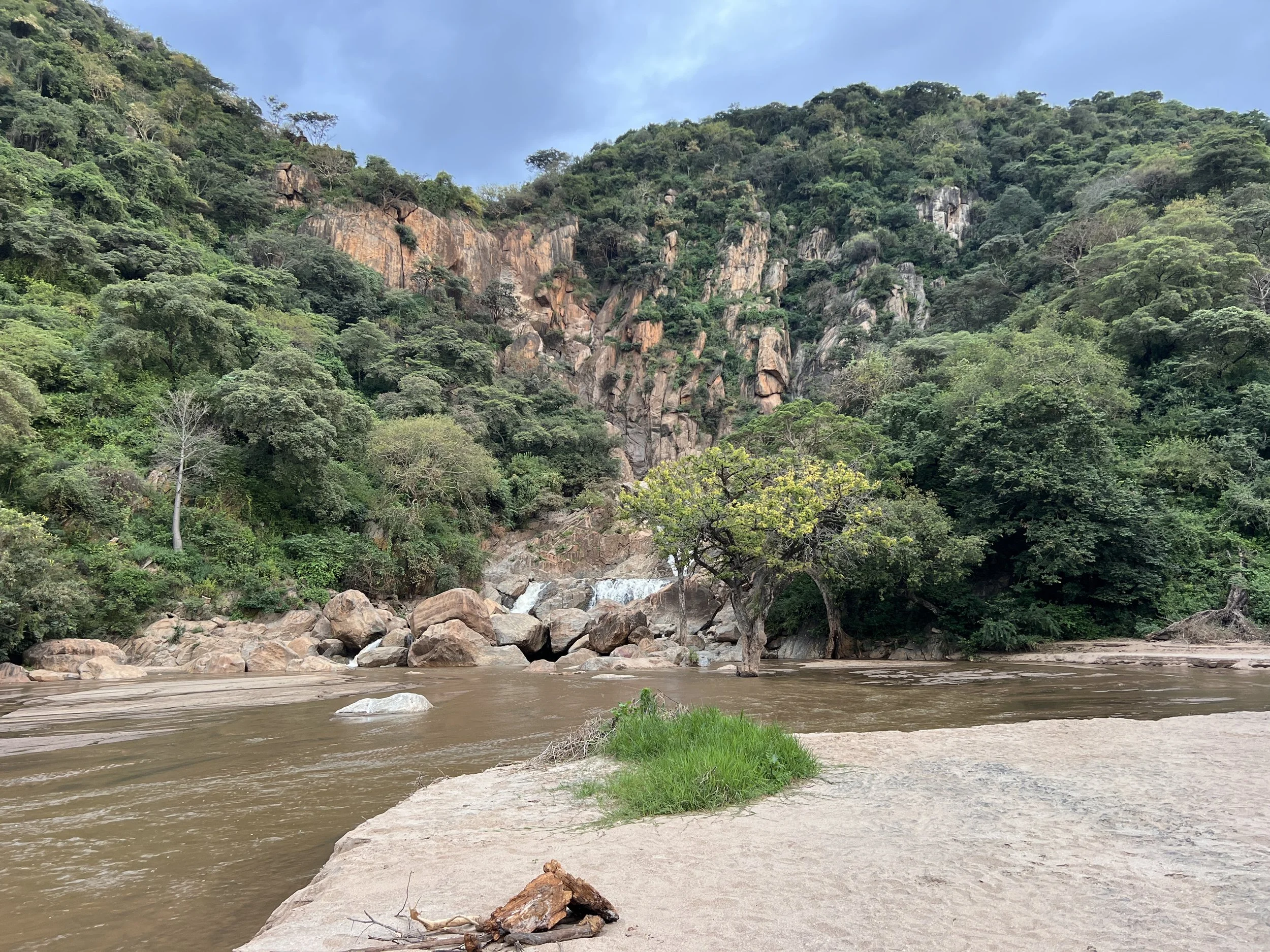
Lake Manyara National Park is compact but surprisingly diverse: dense groundwater forest gives way to open grassland, acacia woodland, and the vast alkaline lake that gives the park its name. It is famous for its tree-climbing lions — a behaviour seen reliably here and in very few other places in Africa — and for the flocks of flamingos that gather on the lake when conditions are right.
For most itineraries, Manyara works best as a half-day stop en route between Arusha and the Ngorongoro highlands, or as an alternative first night to Tarangire. On its own it is too small for an extended stay, but as part of a northern circuit it adds a different texture — lush, birdy, and surprisingly intimate.
Lucie’s take on Manyara: In recent years the level of the lake has risen shrinking the area avaialble for game drives. However WAYO Africa’s Lake Manyara Green Camp is one of my favourite camps in Tanzania and I think worth a two night stay to experience the full range of ‘out of vehicle’ activities on offer. Here you can canoe, mountain bike and walk in the tree canopy, or simply sit on the beach at teh foot of the Endabash waterfall and bask in the tranquility of this gorgeous little camp.
The Great Migration: What to Expect and When
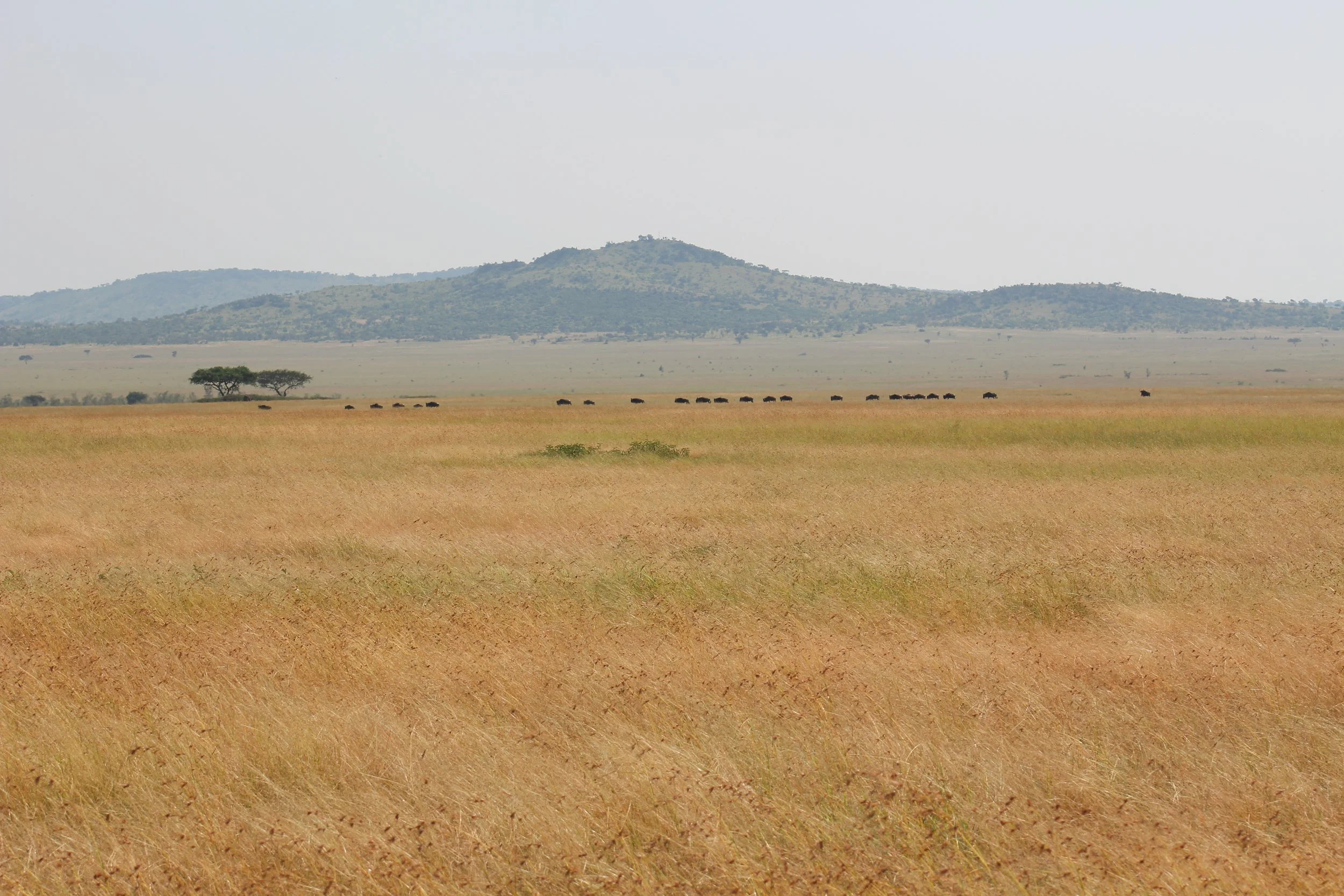
The Great Migration is often described as a single dramatic event — and in one sense it is. But it is more accurately a continuous cycle, playing out across the Serengeti and Masai Mara ecosystems throughout the year. Understanding the cycle helps enormously when planning the right time to visit.
Calving season (January to March — southern Serengeti / Ndutu):
Around 500,000 wildebeest calves are born in a short window, triggering an extraordinary burst of predator activity. Cheetah, lion, leopard, and hyena are all highly active. This is one of the most dramatic and underrated wildlife spectacles in Africa, and often significantly less crowded than the river crossings.
The northward journey (April to June):
The herds move north through the central Serengeti and into the Western Corridor, following the rains. The April to May long rains make this a quieter, greener period — good value for adventurous travellers.
Mara River crossings (July to October — northern Serengeti):
This is what most people picture when they think of the migration: thousands of wildebeest plunging into crocodile-filled rivers, chaos and energy and extraordinary drama. The crossings are unpredictable — they depend on the animals' own instincts and the water levels — but staying in the northern Serengeti from July through October gives you the best chance of witnessing them. This is peak season: book early!
The return south (November to December):
The short rains arrive and the herds begin their southward journey. The landscape turns green quickly, and the Serengeti in November can be strikingly beautiful — and considerably quieter than peak.
Lucie's Honest View: I have mixed feelings on the migration, in recent years I think that the scrum of vehicles, badly behaving guides and visitors has detracted hugely from one of nature’s greatest displays. For that reason I’ll give you very honest advice and only use operators that are committed to ethical practices when I’m arranging a migration based safari.
Beyond the North: Tanzania’s Southern and Western Wilderness
Ruaha National Park: Tanzania's Wild Secret
Ruaha is Tanzania's largest national park and, in many ways, its most rewarding. It sees only a fraction of the visitor numbers of the Serengeti, yet its wildlife is extraordinary: huge elephant herds, 10% of Africa’s lion population that includes some of Africa's largest prides, leopard, cheetah, wild dog, and large kudu and sable antelope that you won't find in the north. The Great Ruaha River is the park's spine, and in the dry season it creates game-viewing of almost Botswana-like intensity.
Ruaha is for travellers who are ready to go deeper. The landscape is dramatic and varied — riverine forest, open miombo woodland, rocky outcrops — and the camps tend to be small, owner-run, and wonderfully personal. Walking safaris are excellent here.
Lucie's Recommendation: I’d stay at Ikuka for it’s spectacular views over the landscape or Nomad’s Kigelia Camp for it’s authentic bush camp feel. This is wild country and small camps allow you to feel immersed in the landscape.
Nyerere National Park: Africa's Largest Protected Area
Formerly known as the Selous Game Reserve, Nyerere was rechristened in 2019 and is now Africa's largest national park — 50,000 square kilometres of wilderness that is almost entirely devoid of visitors. The northern section, around the Rufiji River and its lakes, is where the camps are concentrated and the game is exceptional: elephant, hippo, crocodile, lion, and wild dog are all present in significant numbers.
What makes Nyerere special is the variety of activities. Boat safaris on the Rufiji River give an entirely different perspective on the bush; walking safaris are excellent; fly-camping is possible for adventurous travellers. It combines beautifully with Ruaha for a complete southern circuit experience.
Lucie's Recommendation: This is the place where I first fell in love with Africa, fly-camping deep in the park in the late 90’s. It will always have a special place in my heart and I might venture to recommend maybe visiting the Southern parks before venturing up to the North so you can appreciate what a truly wild place feels like.
The Wild West: Chimpanzees and True Wilderness
Western Tanzania — the remote triangle of Gombe, Mahale, and Katavi — is one of Africa’s most extraordinary and least visited safari regions. It requires effort to get to, and that is precisely the point. The travellers who make it here almost always say it is among the best things they have ever done. It’s certainly one of the most exciting trips I’ve ever had.
Mahale Mountains: Chimpanzees on the Shores of Lake Tanganyika
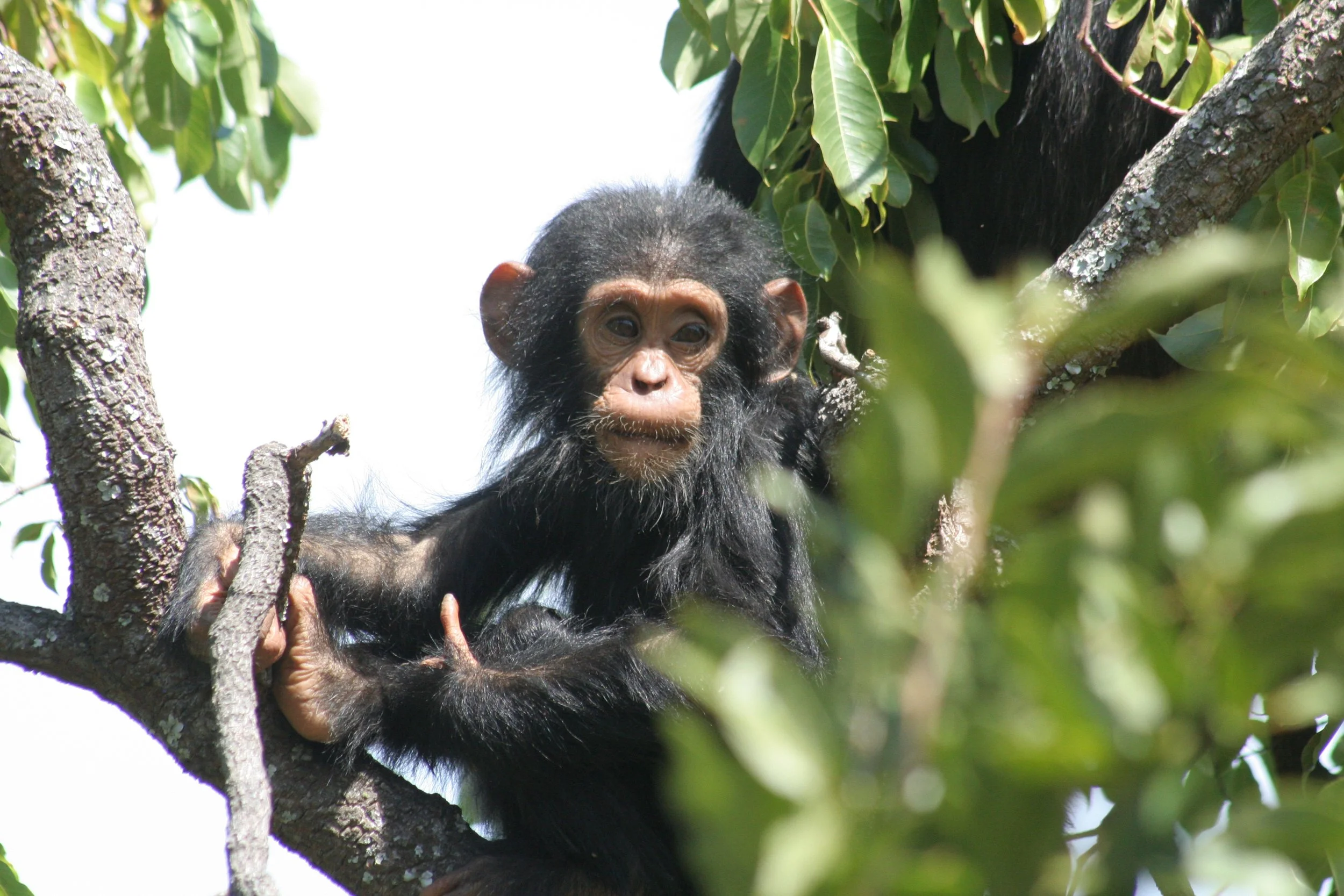
Mahale Mountains National Park is, in many safari specialists’ view, one of the most magical places in Africa. Set on the eastern shores of Lake Tanganyika — the world’s longest freshwater lake, shared with the Democratic Republic of Congo, Burundi, and Zambia — the park protects a population of habituated chimpanzees in dense mountain forest that tumbles almost to the lake’s edge. There are no roads and no vehicles. Getting here involves a three to four hour charter flight from Arusha followed by a traditional wooden boat along the lakeshore. That journey, unhurried and increasingly remote, is part of what makes arrival feel so significant.
Chimpanzee trekking here is among the most profound wildlife experiences in Africa. Each morning, guides and trackers — many with decades of experience reading this forest — lead you on foot into the mountains to find the habituated family group. When you encounter them — crashing through the canopy, grooming on a sunlit branch, or simply walking past you on the forest path — the closeness is astonishing. The dry season from August to October generally offers the best trekking conditions as the chimps tend to descend to lower elevations, but chimpanzees can be encountered year-round.
Nomad Tanzania’s Greystoke Mahale is the standout camp — eight bandas built from reclaimed dhow wood, open to views of the lake, with a beach that feels like the edge of the world. The setting is extraordinary, the guiding exceptional, and the chimpanzee experts among the most knowledgeable on the continent.
Gombe Stream: Jane Goodall’s Forest
Gombe Stream National Park is Tanzania’s smallest national park — just 52 square kilometres of steep forested slopes and river valleys on the eastern shore of Lake Tanganyika — and one of its most famous. This is where Jane Goodall began her groundbreaking study of wild chimpanzee behaviour in 1960, research that transformed our understanding of primates and of ourselves. The Kasakela chimpanzee community she studied is still here, still habituated, and still one of the most studied wild chimpanzee populations in the world.
Gombe is accessible only by boat from the town of Kigoma — there are no roads in — which gives it a remoteness and intimacy which is all part of the experience. Trekking is done on foot through dense forest. Alongside the famous chimpanzees, the park is home to olive baboons (also long-studied and highly habituated), red colobus monkeys, and vervet monkeys.
Katavi National Park: Tanzania’s Frontier
Katavi is Tanzania’s third-largest national park and, in terms of visitor numbers, one of its least visited. Fewer than a handful of permanent camps operate within it at any one time — each capped at twelve guests — which means that on a game drive here you are genuinely unlikely to see another vehicle. The wildlife, meanwhile, is extraordinary.
As the dry season advances and the Katuma River contracts, the wildlife concentrations around the remaining water become increasingly dramatic. Hippos — thousands of them — pack into muddy pools in densities that have to be seen to be believed. Crocodiles, extraordinarily, retreat into tunnels dug into the riverbanks to aestivate until the rains return — a behaviour found nowhere else in Africa quite like this. Large buffalo herds, elephant, lion, leopard, giraffe, wild dog, and the rare puku antelope all move through the park’s miombo woodland and floodplains. September and October, as the dry season reaches its peak intensity, tend to offer the most concentrated and dramatic game viewing.
Nomad Tanzania’s Chada Katavi — six tents on the edge of the Chada floodplain — is the most celebrated camp in the park, offering exceptional guiding and the option of fly-camping under the stars. Foxes Safari Camps’ Katavi Wildlife Camp is a well-regarded alternative on the Kitasunga Plain, slightly larger and a more economical option, and regularly praised for its location and knowledgeable guides. The two camps suit different budgets, but both deliver the same essential Katavi experience: wild, spacious, and unlike anywhere else.
Beach Extensions: The Zanzibar Archipelago and Mainland Coast
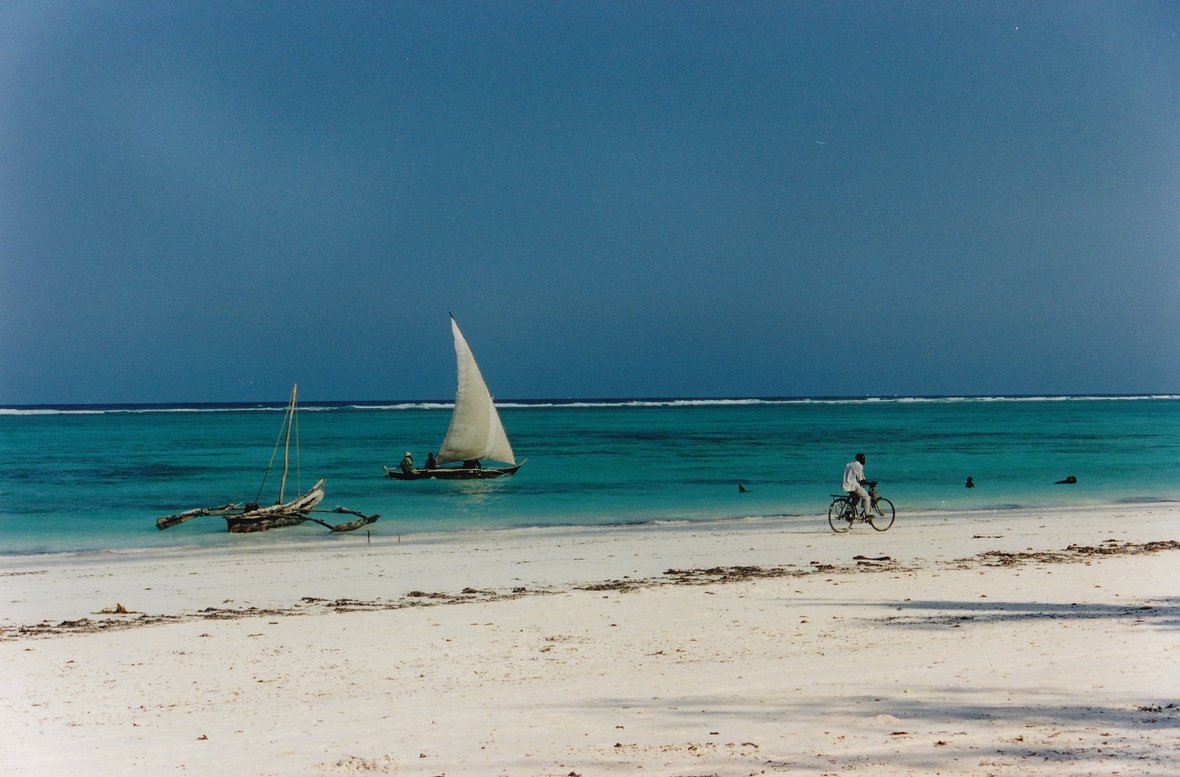
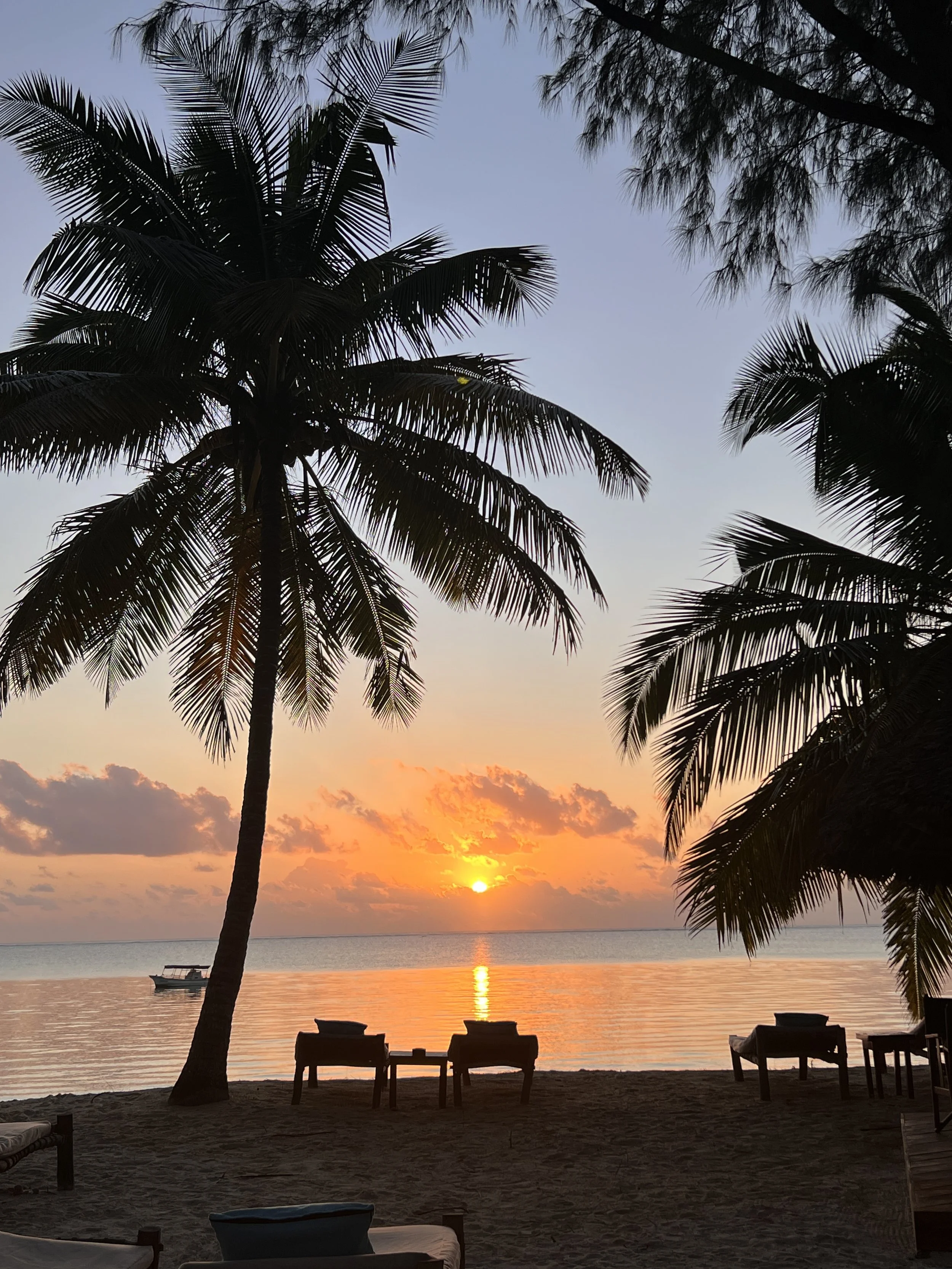
A beach extension is one of the most satisfying ways to finish any safari — the contrast between the dust and drama of the bush and the warm Indian Ocean is deeply restorative. Most travellers to Tanzania default to Zanzibar, and for good reason. But Tanzania’s coast has more to offer than the main island, and if travellers want something quieter, more remote, or more distinctive, the options below are worth knowing about.
Zanzibar (Unguja): The Classic Choice
Zanzibar remains the most popular beach extension for good reason: the beaches are spectacular, Stone Town is a UNESCO World Heritage Site worth at least a night, and the logistics from any Tanzanian airport are simple. Three to five nights is ideal. The east coast — Paje, Bwejuu, and Michamvi — has the best beaches for swimming and snorkelling. For divers, the waters around Mnemba Atoll are among the finest in the Indian Ocean. The north coast around Nungwi and Kendwa suits those who prefer calmer water year-round and a livelier atmosphere.
One honest note: Zanzibar’s popularity brings crowds, particularly on the east coast in peak season. If you want the Indian Ocean experience without the resort-town atmosphere, the options below are worth serious consideration.
Lucie’s Recommendation: Stone Town is really worth spending time in and a walking tour is the best way to get a sense of the island’s history from a local. Stay a couple of nights to really soak up the atmosphere. My preferred beach properties are over on the quieter parts of the East coast, I really like Breezes Beach Club for families, its neighbour The Palms for couples or my favourite, Pongwe Beach Hotel, for its simple, barefoot vibe.
Pemba Island: For Serious Divers and Those Who Want to Disappear
Pemba lies just 50 kilometres north of Zanzibar but feels like a different world. Where Zanzibar has resorts and beach bars, Pemba has spice farms, fishing villages, and a lush, hilly interior that most visitors never see. Tourism here is genuinely low-key — the island’s economy runs on cloves, not hotels — and that is precisely its appeal for travellers looking for somewhere that has not yet been packaged and polished.
The diving is the main draw, and it is exceptional. The Pemba Channel drops to over 800 metres between the island and the mainland, creating powerful upwellings that feed spectacular walls, pinnacles, and reefs. Manta rays, barracuda, tuna, and sharks are regularly seen; the strong currents make it better suited to experienced divers than beginners. Snorkelling on the sheltered reefs of the Njao and Fundu Gaps is outstanding too. Accommodation is limited and deliberately simple — small lodge-style properties rather than resorts — which keeps Pemba quiet and unspoiled. Flights take around 30 minutes from Zanzibar or just over an hour from Dar es Salaam.
Mafia Island: Whale Sharks, Pristine Reefs, and No Crowds
Mafia Island sits around 160 kilometres south of Zanzibar, off the coast between Dar es Salaam and the Mozambique border, and it is one of East Africa’s most underrated destinations. Tanzania’s first marine park was established here in 1995, protecting some of the most biodiverse reefs in the western Indian Ocean — over 400 species of fish and 50 genera of coral have been recorded within its boundaries.
The headline attraction is the whale sharks. From October to February, these extraordinary animals gather in the channel between Mafia and the mainland in reliable numbers — swimming alongside them in open water, with no other tourists in sight, is genuinely humbling. Humpback whales pass through between July and August. Green and hawksbill turtles nest on the beaches between June and August. The reefs around Chole Bay offer excellent year-round diving and snorkelling, with healthy hard and soft corals, impressive table corals, and the kind of visibility that makes every dive a pleasure.
Mafia has only a handful of accommodation options — deliberately small, eco-conscious lodges rather than resorts — which keeps it intimate and uncrowded in a way that Zanzibar simply cannot match. It combines particularly well with the southern safari circuit: a Ruaha and Nyerere itinerary followed by a few nights on Mafia is a wonderfully coherent southern Tanzania trip, geographically and in atmosphere.
The Mainland Coast: Pangani, Ushongo, and Beyond
Tanzania’s mainland coast is largely overlooked by safari itineraries, which makes it all the more appealing for travellers who want to finish a trip somewhere genuinely quiet. The stretch of coast around Pangani and Ushongo, roughly 70 kilometres south of Tanga on the northern coast, is particularly special: long, palm-fringed beaches with almost no development, small lodge-style properties, and a pace of life that makes Zanzibar in peak season feel positively metropolitan. Ushongo is the beach; Pangani itself is a small Swahili trading town with an older Arab-influenced quarter and a gentleness that rewards an afternoon’s wandering.
This part of the coast also offers something unusual: proximity to Saadani National Park, a small but intriguing reserve where wildlife — lion, elephant, buffalo, and giraffe — comes down to the beach and the Indian Ocean is visible from the game drive track. It is not a destination for serious game viewing, but as a curiosity — and as a way of extending the safari feeling a little further into the beach extension — it has a charm entirely its own. Scheduled charter flights connect the Pangani area with Arusha and Dar es Salaam, making it a practical add-on after a northern circuit safari.
Lucie’s note: Foxes operate a laid back, romantic lodge - Lazy Lagoon - on a remote sand spit North of Dar es Salaam, a perfect spot to relax following your Tanzanian safari.
When Is the Best Time to Visit Tanzania?
Tanzania rewards travel in every month of the year, but the experience varies significantly by region and season. The dry season from June to October is the most popular for wildlife across all parks; the calving season at Ndutu (January to March) is superb and often overlooked.
| Region | Jan – Mar | Apr – May | Jun – Oct | Nov – Dec |
|---|---|---|---|---|
| Green Season | Shoulder / Long Rains | Peak Dry Season | Short Rains / Early Green | |
| Serengeti & Namiri Plains | Calving at Ndutu (Jan–Mar) — superb predator action. Namiri excellent for cheetah year-round. Quieter and good value. | Long rains Apr–May. Migration moves north. Some roads difficult. Lower rates, fewer visitors. | Peak Mara River crossings Jul–Oct. Namiri Plains outstanding for cheetah and lion. Northern Serengeti spectacular. | Short rains Nov. Migration returns south through Namiri area. Lush landscapes, great photography. Calving begins Dec. |
| Ngorongoro Crater | Excellent year-round. Crater floor accessible. Good predator viewing. Lush green scenery. | Generally good. Occasional mist on the rim. Fewer visitors than peak season. | Peak Outstanding. Dry crater floor. Wildlife concentrated. Black rhino and lion prides very active. | Good. Short rains bring fresh green to the crater walls. Migratory birds arrive. |
| Tarangire & Lake Manyara | Tarangire: elephants present, good birding. Manyara: flamingos possible. Lush and green. | Long rains affect access. Tarangire: quieter, good birdlife and scenery. Some tracks muddy. | Peak Tarangire at its very best — elephant herds gather in hundreds along the river. Exceptional game density. | Tarangire: elephants begin dispersing as rains return. Scenery dramatic. Good for photographers. |
| Ruaha | Green season. Good wildlife but some tracks difficult. Excellent birdlife. Quieter. | Long rains. Ruaha closes mid-Apr to late May. Avoid unless individual camp confirmed open. | Peak Exceptional. Great Ruaha River draws huge elephant herds, lion, wild dog. Walking safaris outstanding. | Short rains begin late Nov. Camps close end of season — check schedules. Dramatic landscapes. |
| Nyerere (Selous) | Green season. Boat safaris excellent. Some camps close or reduce access. Good birding. | Transitional. Some camps closed. Check individual schedules before booking. | Peak Outstanding. Rufiji River boat safaris superb. Walking safaris and fly-camping. Wild dog active. | Short rains. Most camps close end Nov / early Dec. Check closures carefully for this period. |
| Zanzibar & Islands | Warm and dry Jan–Feb. Excellent beach. Whale sharks off Mafia Nov–Feb. Peak Jan–Feb | Long rains Apr–May. Not ideal for beach. Some closures on Mafia and Pemba. | Cool and dry. Good beach conditions. Whale sharks off Zanzibar Jun–Sep. Humpback whales off Mafia Jul–Aug. | Short rains Nov. Dec festive high season — warm, busy, and expensive. Peak Dec |
Lucie's honest view: July to October is when most people visit Tanzania, and the Mara River crossings are undeniably spectacular. But great Tanzania trips can also happen in January and February — the calving season at Ndutu, weather conditions good, and the camps quiet. The right time for you depends entirely on what you want from your safari — which is exactly what I help you work out.
Is a Tanzania Safari Right for You?
Tanzania is one of the most versatile safari destinations in Africa, but it is worth thinking about what kind of experience you are looking for before choosing your parks and timing.
Tanzania is perfect for:
First-time safari-goers — the northern circuit is one of Africa's great introductions to safari, with extraordinary wildlife and well-established infrastructure
Anyone who wants to witness the Great Migration — the Serengeti and Mara River crossings are genuinely bucket-list experiences
Travellers who want to combine safari with a beach holiday — Zanzibar is an exceptional add-on and requires almost no extra logistics
Seasoned safari-goers ready to explore the south — Ruaha and Nyerere offer a rawer, less visited experience that many experienced travellers consider Tanzania's best-kept secret
Families with older children — the northern circuit is well set up for families, and the wildlife is dramatic and accessible
Wildlife photographers — the open Serengeti plains, predictable big cat activity, and extraordinary light make Tanzania one of the world's great photography destinations
When I might suggest somewhere else:
If you want a malaria-free safari, consider South Africa's Eastern Cape, Madikwe — all of Tanzania is a malaria-risk area
If you want genuine wilderness with almost no other vehicles, Botswana or Zambia may suit you better for that specific experience
If budget is a significant constraint — Tanzania's park fees are among the highest in Africa and costs add up quickly on the northern circuit
Combining Tanzania with Other Destinations
Tanzania is one of the most versatile safari destinations in Africa, but it is worth thinking about what kind of experience you are looking for before choosing your parks and timing.
Tanzania + Kenya
The Masai Mara and the Serengeti share the same ecosystem — the same wildebeest cross the Mara River from Tanzania into Kenya between July and October. A combined itinerary gives you the full migration from both sides, along with Kenya's remarkable private conservancies and the option of Amboseli for Kilimanjaro views. I often recommend this for clients who want the very best of East African wildlife.
Tanzania + Zanzibar
The classic combination — and, for many clients, the perfect trip. Three to five nights on Zanzibar after a Serengeti or southern circuit safari transforms the experience entirely. Flights are short, logistics are simple, and the contrast between bush and beach is deeply satisfying.
Tanzania + Rwanda
For travellers who want to combine exceptional wildlife with gorilla trekking, a Tanzania safari followed by Rwanda's Volcanoes National Park is one of Africa's most memorable itineraries. The gorilla experience is genuinely unlike anything else.
How I Plan Your Tanzania Safari
Planning a Tanzania safari well requires detailed, current knowledge. Which Serengeti camps are delivering the best guiding right now? Is it worth adding Tarangire this year, or is Manyara the better opening night? Which southern circuit operator is operating at the level their reputation suggests? This is exactly what I bring to every trip I plan.
I work with a carefully selected group of operators and lodges across all of Tanzania's key areas. I visit regularly, know the camp managers and guides personally, and will only ever recommend properties I would be happy to stay in myself. Every Tanzania safari I plan is completely bespoke, ATOL protected, and backed by the Travel Trust Association. You will have a dedicated travel app with your full itinerary and documents, and I am available throughout your trip if anything needs adjusting.
Tanzania Safari: Frequently Asked Questions
-
The migration is a year-round event, but the most dramatic moments depend on timing. The Mara River crossings — where wildebeest plunge into crocodile-filled waters — take place from July to October in the northern Serengeti. The calving season near Ndutu runs from January to March, bringing extraordinary predator action. Both are exceptional; the crossings are more dramatic but the calving season is more intimate and significantly less crowded.
-
Yes — UK passport holders need a visa for Tanzania. The most convenient option is the Tanzania eVisa, applied for online at eservices.immigration.go.tz, costing $50 USD. Visas on arrival are available at major airports but applying in advance is strongly recommended. Your passport must be valid for at least six months from your date of entry.
-
Tanzania's national park fees are among the highest in Africa, which is reflected in overall costs. A seven to ten night northern circuit safari including internal transfers, and full-board lodges typically starts from around £6,000–£12,000 per person depending on season and camp selection. The southern circuit (Ruaha, Nyerere) tends to offer excellent value for comparable quality. Zanzibar extensions add cost but genuinely transform the trip. Please get in touch to discuss options for your budget and dates.
For a broader look at what drives safari costs across Africa, see my full safari costs guide.
-
Both countries share the Mara–Serengeti ecosystem and offer world-class wildlife. Tanzania generally has larger parks with lower visitor density — particularly in the south — a wider range of experiences, and the Zanzibar option. Kenya has the advantage of exceptional private conservancies around the Masai Mara, often shorter logistics, and some excellent bespoke experiences. Many of my clients combine both countries on a single itinerary.
-
Yes — Tanzania's northern circuit is one of the world's great first safari destinations. The Serengeti and Ngorongoro Crater are iconic for very good reason, and the infrastructure is well established. For travellers who want a more gently managed introduction to safari, South Africa is also an excellent option — and many clients start there before returning to Tanzania for a deeper experience.
-
Absolutely. A Zanzibar extension is one of the most popular add-ons to a Tanzania safari and, in my view, makes an already exceptional trip genuinely extraordinary. Three to five nights on Zanzibar is ideal. Flights from Kilimanjaro or Dar es Salaam are short and straightforward, and the transition from bush to beach is one of the great pleasures of East African travel.
-
Tarangire is a beautiful national park in northern Tanzania, famous for its ancient baobab trees and extraordinary elephant concentrations during the dry season. I often use it as the first stop on a northern circuit safari — it offers a wonderful, quieter introduction to Tanzania's wildlife before the scale of the Serengeti. The dry season from June to October is the best time, when elephant herds in the hundreds gather along the Tarangire River. It is often compared to Lake Manyara as a circuit opener; I tend to prefer Tarangire for the space and the elephants, though Manyara's tree-climbing lions are in a category of their own.
-
Tanzania is generally considered one of Africa's safer safari destinations. The national parks are well managed and the country has a strong tourism infrastructure. Standard travel precautions apply. Tanzania is a malaria-risk area and I strongly recommend consulting your GP or a travel clinic about prophylaxis before travel. Always check the UK Foreign Commonwealth & Development Office travel advice at gov.uk/foreign-travel-advice/tanzania before you travel.
-
A minimum of seven nights for the northern circuit alone — ideally eight to ten to do it proper justice. Adding the southern circuit (Ruaha or Nyerere) requires at least ten to twelve nights in total. A Tanzania and Zanzibar combination typically runs to twelve to fourteen nights and is, in my view, the ideal Tanzania itinerary for most travellers.
Ready to Plan Your Tanzanian Safari?
Whether you have always dreamed of watching wildebeest cross the Mara River, or you want to find out whether the Serengeti calving season or the remote south might suit you better, I would love to help you plan it. There is no obligation and no hard sell — just honest advice from someone who knows this country well.