
First Time Safari Guide:Everything you need to know before booking your African adventure
Planning your first African safari can feel overwhelming. Which country should you choose? What time of year is best? How much should you budget? What do you actually need to pack? These are the questions I answer for clients every day, and after 28 years of planning my own African travel and 6 years running my safari business, I think I've learned what first-timers need to know.
This guide covers the practical essentials - from choosing your destination and understanding realistic costs to sorting vaccinations and knowing what a typical safari day looks like. Whether you're dreaming of South Africa's Kruger, Kenya's Masai Mara, or Botswana's Okavango Delta, this will help you plan with confidence.
Let's get started.
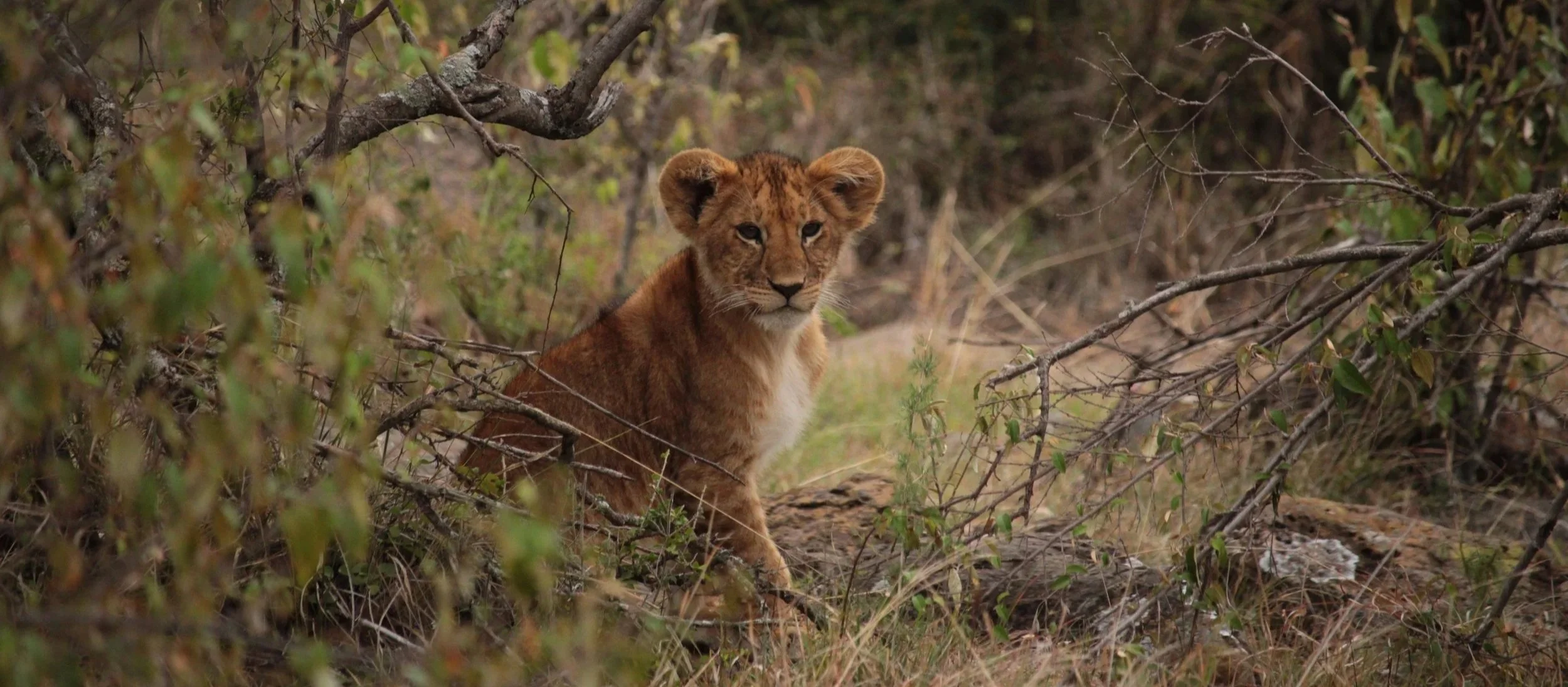
📸 : Lion cubs are a special sighting on any safari
Choosing your first safari destination
Why destination choice matters
Your destination shapes your entire safari experience. The 'best' destination depends on your budget, when you can travel, what wildlife you're most interested in, and your comfort level with adventure.
South Africa: the first-timer's friend
For many first African safaris, I often recommend South Africa. The infrastructure is excellent, making travel straightforward. There are malaria-free safari options like the Eastern Cape reserves and Madikwe, which means one less thing to worry about. The Big Five are easily seen in places like Kruger and Sabi Sands. You can combine safari with Cape Town, wine country, and the Garden Route. Flight connections from the UK are direct and frequent. The country offers good value at various price points.
South Africa feels accessible without compromising on wildlife or authenticity. The roads are good, English is widely spoken, and help is available if needed.
For more on what makes South African safaris unique, read my comparison of South African safaris vs other African destinations.
Kenya: wildlife galore and a beautiful coast
Kenya is probably my favourite first-timer recommendation. The country offers diverse wildlife across multiple ecosystems, excellent lodges at all price points, the option to combine safari with beach holidays on the coast, strong guiding standards, and good flight connections from London.
The wildlife is spectacular all year round and if the migration is on your bucket list the Mara delivers - river crossings, predator activity, and vast herds.
For beach options after your safari, see my guide to Kenya's coast.
Tanzania: classic safari experience
Tanzania also offers a quintessential African safari - the endless Serengeti plains, the Ngorongoro Crater, and excellent wildlife density. It's slightly more adventurous than South Africa or Kenya (longer drives, more remote lodges), but still very accessible for first-timers who want that classic East African experience.
I've also written about Tanzania's southern circuit, which offers incredible wildlife with far fewer tourists than the northern parks.
What about other destinations?
For first safaris, I generally steer clients away from destinations like Zambia, Uganda, or Botswana. These are spectacular countries, but they work better for second or third safaris when you understand what you want from the experience and are ready for more remote locations. That said, if you're particularly adventurous or have specific interests, we can discuss these options.
The bottom line
First-time safari? Start with South Africa or Kenya. You'll get excellent wildlife, professional guiding, good infrastructure, and the confidence to venture further afield next time.
When to go on your first Safari
Timing depends on your priorities
There's no universally 'best' time for safari - it depends on where you're going and what matters most to you. That said, for first-time safari travellers, I generally recommend the dry season (roughly May to October).
Why dry season works for first-timers
During dry months, wildlife congregates around permanent water sources, making game viewing more predictable. The grass is shorter, so animals are easier to spot. Roads and airstrips are in better condition, which matters in remote camps. Weather is generally comfortable - warm days, cool mornings and evenings. Most importantly, you're very likely to see excellent wildlife, which matters enormously on your first safari.
The trade-off? Peak season (July-October) means higher prices and more tourists at popular parks. June and early November can offer excellent value with great wildlife viewing.
Shoulder season: better value
If your budget is tight or you're flexible with dates, consider shoulder season (April-May or November). You'll find lower prices - sometimes 30-40% less than peak season, fewer tourists at popular spots, green landscapes, and still excellent wildlife viewing.
Green season: for budget-conscious travellers
If you're on a tight budget and don't mind afternoon rains, green season (December-March in Southern Africa, April-May and November-December in East Africa) can be excellent. You'll get the lowest prices of the year, lush scenery, baby animals, excellent bird life, and far fewer tourists.
The reality check: some camps close during this period, roads can be challenging, afternoon rains may interrupt game drives, and wildlife is more dispersed. But if you understand these trade-offs, green season delivers real value.
My recommendation for first-timers
If possible, aim for June, September, or October. You get dry season wildlife viewing without the absolute peak crowds and prices. If you're travelling with children during UK school holidays, July-August works well, though you'll pay premium rates.
For a month-by-month breakdown of when to visit different destinations, see my timing guide also publishing this month.
School holiday planning
Planning around school holidays? Read my guide to family safari destinations for October half-term.
Realistic Safari Costs
Let's talk numbers
One of the first questions clients ask is: 'How much does a safari cost?' The honest answer is that it varies enormously, but I believe in transparent budgeting. Here's what you should realistically expect.
Entry-level luxury: £4,000-£6,000 per person
This budget gets you quality 3-4 star lodges, typically 7-10 days including some non-safari time (like Cape Town or beach), decent accommodation in good wildlife areas, shared game drives with expert guides, and most meals included.
This level works well for first-time safari travellers who want genuine luxury without top-tier pricing. You'll stay in comfortable lodges, see excellent wildlife, and have a proper safari experience. South Africa and Namibia work particularly well at this budget.
Mid-range luxury: £6,000-£10,000 per person
This is where safari really delivers. You get 4-5 star lodges and camps in prime locations, 10-12 days of travel, excellent food and service, smaller camps with more personal attention, and fully inclusive packages (most drinks, all activities, extras included).
The majority of my clients book safaris in this range. It's the sweet spot between value and luxury, and you can access any African destination at this level.
High-end luxury: £10,000-£15,000+ per person
At this level, you're looking at the finest camps in Africa, potentially private guides and vehicles, special experiences like helicopter transfers or private bush dinners, exclusive locations with minimal tourist numbers, and exceptional service and cuisine.
This works well for honeymoons, milestone celebrations, or when you want the very best Africa offers.
What these prices include
Safari costs typically include accommodation, all meals, all game activities (drives, walks, boat safaris), park fees, and drinks (depending on lodge policy).
Not included: international flights, visas, travel insurance, tips, and personal expenses.
The reality check
Yes, safari can be expensive. Most camps operate in remote locations with high overheads, staff need training and fair wages, conservation requires funding, and you're accessing pristine wilderness. Good budget safaris do exist, but below £4,000 per person you’re looking at basic accommodation in busier areas and/or maybe a group tour.
My approach is to work with your realistic budget and design the best safari within it, rather than compromising quality to hit a lower price point.
Health Essentials - Vaccinations and Malaria
Medical Preparation Made Simple
Health concerns are common among first-time safari travellers. With proper preparation, health risks are minimal. Here’s what you need to know. N.B. My advice is not definitive, ALWAYS refer to your Governement’s health department for up to date travel advice.
Required Vaccinations
Yellow fever is the only vaccination that might be legally required, and only if you're arriving from or transiting through a yellow fever endemic country. Some East African countries and camps require proof of yellow fever vaccination even if you're coming directly from the UK - check specific requirements for your destination.
Recommended Vaccinations
Your GP or travel clinic will likely recommend routine vaccinations should be up to date (tetanus, MMR, etc.), hepatitis A for most African travel, typhoid, especially for rural areas, and possibly hepatitis B for longer trips or extensive rural travel.
Book your travel clinic appointment 6-8 weeks before departure to allow time for vaccines requiring multiple doses.
The Malaria Question
Malaria is probably the biggest health concern for first-time safari travellers. There are malaria-free safari options: South Africa’s Eastern Cape reserves and Madikwe Game Reserve. There are low-risk options: South Africa’s Kruger in winter (May-September). And malaria prophylaxis is readily available and effective for higher-risk areas.
If your destination requires malaria prevention (most of Zambia, Botswana's Delta, Tanzania, parts of Kenya), your doctor will prescribe prophylaxis. Take it exactly as directed, starting before you travel. Combine medication with prevention: long sleeves in evenings, DEET-based insect repellent, mosquito nets (provided by lodges), and room spraying (done by camp staff).
Prevention works. I've never had a client contract malaria on safari.
Travel Insurance
Comprehensive travel insurance is essential. Ensure your policy covers medical evacuation (remote camps are far from hospitals), activities like walking safaris and gorilla trekking (these count as "adventure activities"), trip cancellation (safari deposits are typically non-refundable), and personal possessions including camera gear.
Don't rely on credit card insurance - it's usually insufficient for African safari travel, and have travel insurance in place the moment you make your booking.
Packing Essentials
What to Actually Pack
Packing for safari isn't complicated, but there are key things you need to get right. The good news is you don't need nearly as much as you think.
The Golden Rules
Pack light - many fly-in camps have strict luggage limits (15kg in soft bags). If you want to look the part stick to neutral colours (khaki, olive, brown, grey) - these are also less likely to attract insects. Avoid white (shows dirt immediately) and blue (attracts tsetse flies in some areas). Layer up - early morning game drives can be surprisingly cold, even in Africa.
Clothing Essentials
You'll need long-sleeved shirts and trousers for sun and insect protection, short-sleeved shirts and shorts for hot days, a warm fleece or jacket (morning drives get cold), comfortable walking shoes or boots, sandals for camp, a wide-brimmed hat, and sunglasses.
Most luxury lodges provide laundry services (often included in your rate), so you can pack less and re-wear items. Three shirts and two pairs of trousers are sufficient for a week-long safari.
Technical Gear
Binoculars - most lodges provide them, but your own would be better. Camera with zoom lens - 300mm minimum if you're serious about wildlife photography. Extra batteries and memory cards - charging opportunities can be limited. Universal adaptor - South African Type M (three large round pins) or check your destination's plug type. Torch or headlamp for walking in camp at night - essential for safety. Small daypack for game drives.
Toiletries and Medical Kit
Basic medical supplies: plasters, anti-diarrhoea tablets, pain relief, antihistamine, and lip balm with SPF. High-factor sunscreen - the African sun is intense. DEET-based insect repellent (at least 30%). Hand sanitiser. Most luxury camps provide toiletries, but bring specific products you need.
What NOT to Pack
Leave behind hair dryers and straighteners (embrace safari hair!), there is no need for lots of shoes (2-3 pairs maximum), formal clothes (safari is casual), and valuables you don't absolutely need.
What to Actually Expect on Safari
A Typical Safari Day
One of the most common questions I get is: "What will my day actually look like?" Here's the reality of daily safari life.
Early Start (5:30-6:00am)
You'll get a wake-up call - usually a knock on your door with tea or coffee delivered to your room. Quick light breakfast or just coffee and rusks (biscuits), then onto the safari vehicle by 6:00-6:30am.
Why so early? Animals are most active during cool morning hours. The best wildlife action happens at dawn.
Morning Game Drive (3-4 hours)
Your guide will have a plan based on recent sightings, animal behaviour, and tracker observations. You'll cover ground looking for tracks and signs, stop when something interesting is spotted, spend time observing animals without rushing, and return to camp around 10:00-11:00am depending on sightings. You’ll stop around halfway through your morning drive to stretch your legs and have a coffee and snack.
Morning drives often deliver the best sightings - predators are still active, animals are heading to water, and the light is excellent for photography.
Mid-Day at Camp
Back at camp, you'll enjoy full breakfast or brunch (usually excellent), free time to read, swim, rest, or take a bush walk at some camps, and lunch around 12:30-1:30pm.
The middle of the day is hot - animals rest in shade and so do you. Use this time to process photos, read by the pool, nap, or simply absorb the experience.
Afternoon Game Drive (3-4 hours)
After afternoon tea around 3:30pm, you're back in the vehicle by 4:00-4:30pm. The afternoon drive typically runs into evening, includes a sundowner stop (drinks in the bush at sunset), has a spotlight portion after dark to look for nocturnal animals (where permitted), and returns to camp around 7:30-8:00pm.
Night drives reveal a completely different world - leopards hunting, porcupines, civets, and other creatures you'd never spot during the day.
Evening at Camp
Time to freshen up and change for dinner (8:00-8:30pm), multi-course meal, often with other guests, storytelling about the day's sightings, and early to bed because tomorrow is another 5:30am start.
The Reality Check
Wildlife viewing isn't guaranteed. Some drives deliver spectacular sightings, others are quieter. You're in nature, not a zoo - that uncertainty is part of the experience. Every drive is different, and your guide's expertise maximizes opportunities.
Pace Yourself
First-time safari travellers sometimes try to do every activity available. My advice: don't burn out. Skip an early drive if you're tired, take time to relax at camp and watch wildlife come to the waterhole, and remember you're on holiday! The point is to enjoy the experience, not tick boxes.
Safari Safety Essentials
Are Safaris Safe?
Yes - when you follow guide instructions. This is probably the most asked question by first-time safari travellers. You're going to be near large, wild animals, which understandably feels risky. But the reality is you're safer in a safari vehicle than you are driving on the M25.
Safety Rules That Actually Matter
Never leave the vehicle unless your guide says it's safe. Animals see the vehicle as a single non-threatening entity. The moment you stand or exit, you become prey-shaped. Always listen to guide instructions immediately. If your guide says "be quiet," be silent. If they say "don't move," freeze. They know animal behaviour intimately and are keeping you safe.
In camp, always use your torch at night - buffalo and elephants regularly visit camps. Don't walk between tents after dark without staff escort. Most camps provide walkie-talkies or escort services. Never keep food in your tent - baboons and monkeys are expert at breaking in.
Vehicle Safety
Safari vehicles are open-sided by design for better viewing and photography. They're safe because animals don't perceive vehicles as threats. Don't stand up or lean out. Keep hands and arms inside the vehicle. Don't make sudden movements or loud noises around animals.
The Human Element
Other risks are more relevant than animal attacks: insect bites (preventable with repellent and long sleeves), sun exposure (wear sunscreen and hats), and dehydration (drink lots of water - game drives are longer than you think).
Crime and Security
Safari lodges and camps have excellent security. Major safari destinations in South Africa, Kenya, and Tanzania are well-protected. Use common sense in cities: don't flash valuables, use hotel safes for passports and money, and stick to recommended areas.
For more on choosing responsible operators who prioritise safety alongside conservation, read my ethical safari guide.
Booking Your First Safari
Working with a Specialist vs Booking Direct
First-time safari travellers often ask: should I book directly with lodges or use a safari specialist? Having planned hundreds of safaris, my answer is clear: unless you're booking a single, simple lodge for 2-3 nights, work with a specialist.
Why Use a Safari Specialist
You get impartial advice - I don't own any lodges, so my recommendations are based on what suits you. Specialists handle complex logistics: multiple camps, internal flights, transfers, timing, ensuring everything flows smoothly. You receive honest assessments based on personal experience - I've visited most lodges I recommend. If anything goes wrong, you have support and advocacy. Importantly, it costs the same - I earn commission from camps, not markup from you.
When to Book Direct
Book direct if you're experienced, know exactly which lodge you want, are booking just one property, and don't need itinerary design or support.
How Far Ahead to Book
For peak season (July-October): book 12-18 months ahead. Popular camps fill up fast. For shoulder season (May-June, November): 6-12 months usually gives good availability. For green season: 3-6 months provides plenty of options.
If you're hoping to visit specific camps or need gorilla permits, even earlier booking is essential.
The Planning Process
When you work with me, we start with a conversation about your wildlife priorities, travel style, budget, and dates. I design a detailed proposal showing exactly what your safari will look like, with lodge descriptions, photos, activities, and transparent pricing. We refine together until you're completely happy. Only then do you book.
There's no pressure, no obligation to proceed, and no charge for the proposal. My goal is to design a safari so well-suited to you that you're excited to book it.
For details on exactly how I work with clients, read about my safari planning process.
Financial Protection
I partner with the Hemisphere Travel Group so all my bookings are protected by the Travel Trust Association and are ATOL-bonded, giving you complete financial protection for your deposits and payments.
Frequently Asked Questions
Q: IS SAFARI SAFE?
Yes, when following your guide’s instructions. Safari camps have excellent safety protocols, guides are highly trained, and animals in parks are habituated to vehicles. That said, you're in the wild - never approach animals on foot without a guide, always listen to safety briefings, and always respect that these are wild animals.
Q: CAN I DO A SAFARI IF I'M NOT VERY FIT?
Absolutely. Standard game drives require no fitness - you sit in the vehicle. Walking safaris can be tailored to fitness levels. Most camps are accessible, though some require light aircraft transfers. Make sure to advise any mobility concerns upfront so I can select appropriate camps.
Q: WHAT ABOUT MALARIA?
Risk varies by destination and season. Malaria-free options exist (South Africa's Eastern Cape reserves, Madikwe). Prophylaxis is recommended for many areas and is effective. I provide specific advice for your destination and season.
Q: HOW DO I CHOOSE BETWEEN DESTINATIONS?
Depends on: what wildlife is your priority, when you can travel, your budget, whether it's your first safari, and who's travelling with you. I help narrow this down in our first conversation. Generally: first-timers → South Africa or Kenya; migration focus → Tanzania/Kenya; authentic bush experience → Zambia/Kenya/Tanzania; luxury wilderness → Botswana.
Q: WHAT'S THE BEST TIME OF YEAR?
No single answer - depends on destination and priorities. Dry season (June-October) offers concentrated game viewing but higher prices. Green season (November-April) offers lower prices and different experiences. I recommend best timing for your specific interests.
Q: HOW LONG SHOULD MY SAFARI BE?
Minimum: 3-4 nights at one location to get into the rhythm. Ideal: 7-10 nights safari time across 2-3 camps. Combined trips: 10-14 days total (safari plus beach or cities). Don't rush - you want time to properly experience the wilderness.
Q: CAN WE SAFARI WITH YOUNG CHILDREN?
Yes, with the right planning. Age restrictions vary by camp (many have 6-year minimum for shared drives, younger accepted with private vehicles). Best options: private safari houses, camps with child programs, malaria-free South Africa reserves.
Read my family safari guide for more detail.
Q: I'M TRAVELING SOLO - WILL I PAY DOUBLE?
Some camps charge single supplements, but many have single-friendly rates or can pair you with another solo traveller. I know which properties offer best solo value.
Q: DO I NEED VACCINATIONS?
Yellow fever may be required depending on your route. Routine vaccinations should be up to date. Hepatitis A and typhoid are recommended for most African travel. Consult a travel clinic 6-8 weeks before departure.
Conclusion
Planning your first African safari doesn't need to be overwhelming. With proper preparation and guidance, your wildlife adventure will exceed expectations.
After 28 years exploring Africa and over 6 years designing bespoke safaris for UK travellers, I understand exactly what first-timers need to know and how to make safari planning straightforward. Whether you're interested in South Africa's Kruger, Kenya's Masai Mara, or gorilla trekking in Uganda's Bwindi Forest, I'll help you navigate the choices and design a safari matched to your interests, budget, and travel style.
When you're ready to start planning, get in touch - our first conversation is without obligation and helps us both work out if we're a good fit.