
Beyond the Northern Circuit: Tanzania's Hidden Safari Gems
When most people think of Tanzania, they picture the Serengeti's endless plains or Ngorongoro's dramatic crater. But venture south and west, and you'll discover some of East Africa's most pristine and uncrowded wilderness areas. These lesser-known parks offer exceptional wildlife encounters without the crowds – and often at better value too.
Ruaha National Park: Tanzania's Best-Kept Secret
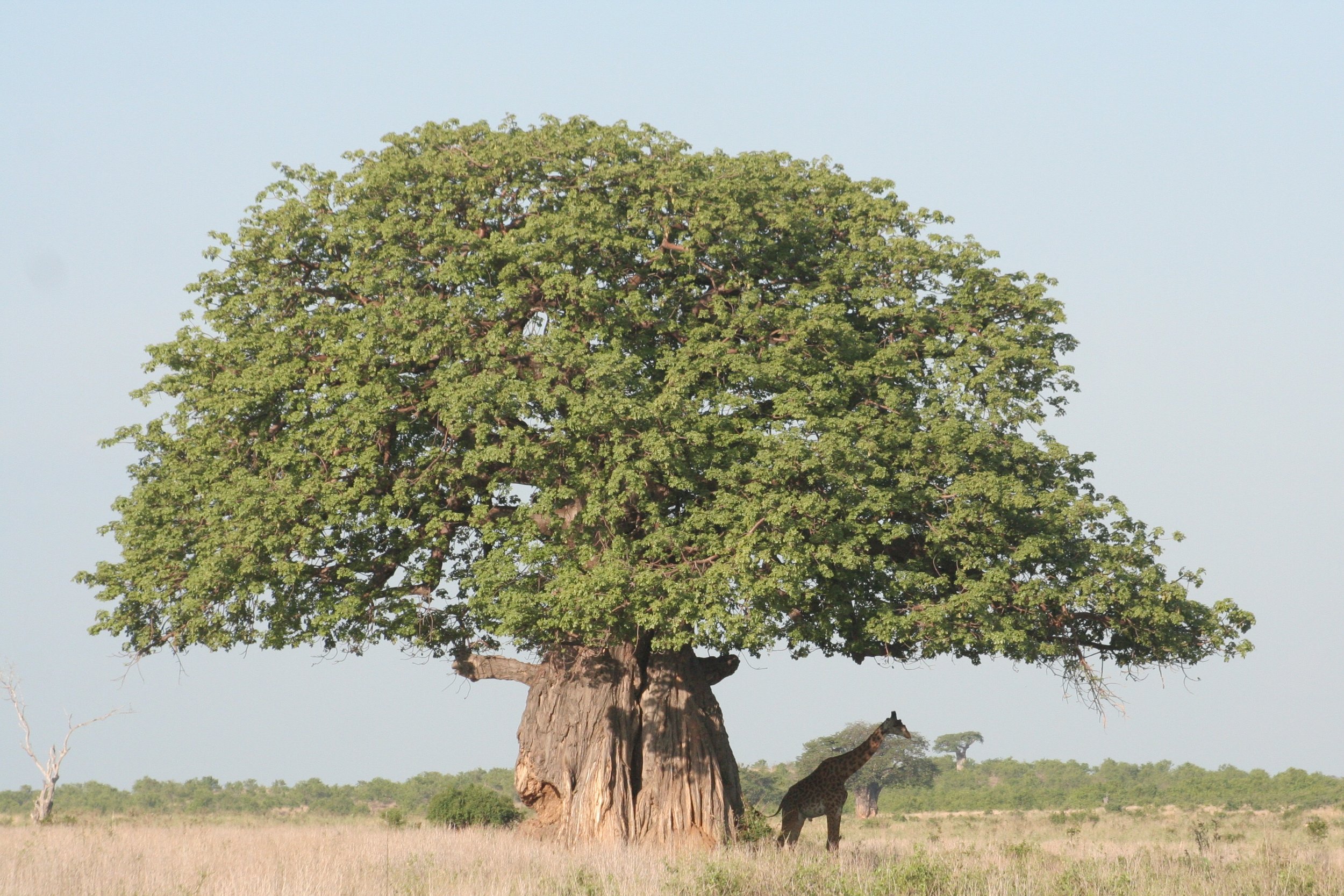
📸: A giraffe dwarfed by a baobab tree in Tanzania’s Ruaha National Park
At 20,226 square kilometres, Ruaha is Tanzania's largest national park, yet it receives a fraction of the visitors that flock to the northern parks. This is wild, remote Tanzania at its finest.
The Great Ruaha River defines the park, creating a lifeline for wildlife during the dry season when animals concentrate along its banks in spectacular numbers. What sets Ruaha apart is its exceptional predator populations combined with genuine wilderness and an exclusive safari atmosphere that's increasingly rare in Africa.
The predators are outstanding. Lion prides here are among the largest you'll find anywhere, sometimes numbering 20 or more individuals. The park is home to around 10% of the world's remaining lion population. Leopard sightings are regular, particularly in the riverine areas where they hunt along the watercourses. Cheetah roam the more open areas, and spotted hyena clans are numerous and bold.
Ruaha also offers arguably your best chance of seeing African wild dogs in Tanzania, with several resident packs denning in the park. Watching a pack hunt is one of Africa's most thrilling wildlife experiences, and sightings here are more reliable than almost anywhere else in East Africa. I saw my first wild dogs in Ruaha back in 1997 and had no idea of how special a sighting it was!
Elephant populations are substantial too – an estimated 12,000 individuals, making this one of the largest concentrations in East Africa. Watch breeding herds come down to drink in the late afternoon, or catch bulls sparring along the riverbanks.
The birdlife is exceptional, with over 570 species recorded. Ruaha sits at the overlap of East and Southern African bird species, creating a unique birding destination where species from different biogeographical zones converge. You'll encounter birds here that don't occur further north in Tanzania, including endemics like the Tanzanian red-billed hornbill and the ashy starling. Southern specialists such as the stunning violet-crested turaco, pale-billed hornbill, and racket-tailed roller are regularly spotted, whilst northern species are equally present. Raptors are abundant – look out for bateleur eagles, martial eagles, and during the European winter months, the elegant Eleonora's falcon. For keen birders, this transition zone makes Ruaha particularly rewarding.
Antelope diversity is remarkable: greater and lesser kudu (often seen together, which is unusual), Grant's gazelle, sable and roan antelope. The park also supports healthy populations of giraffe, zebra, impala, waterbuck, and buffalo – the latter in herds that can number in the hundreds.
Best time to visit: The dry season (June to October) offers the best game viewing as animals concentrate around water sources. However, the shoulder seasons of May and November can be excellent – you'll have even fewer visitors, the bush is greener and more photogenic, and wildlife is still abundant. The wet season (December to April) sees most camps close, though some stay open for keen birders and those seeking real solitude.
Getting there: Ruaha is accessible by scheduled light aircraft flights from Dar es Salaam (1.5 hours) or Arusha (2 hours). There are also connecting flights from Nyerere and other southern parks.
Nyerere National Park: The Rufiji River Wilderness
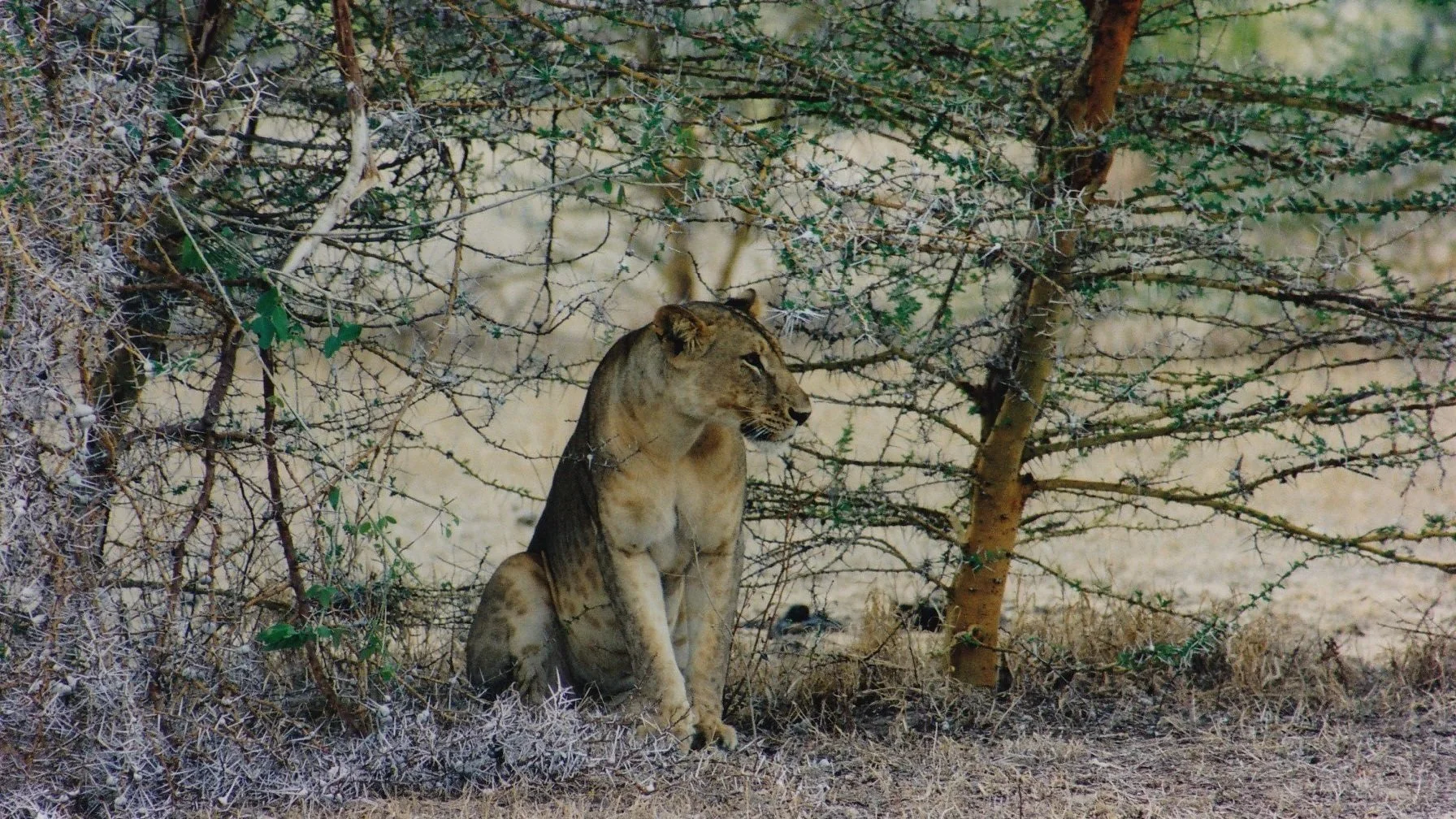
📸: A lioness in Nyerere National Park or Selous as it was known when this picture was taken!
Formerly the northern section of Selous Game Reserve, Nyerere National Park became Tanzania's largest national park in 2019. At 30,893 square kilometres, it's roughly the size of Belgium, yet remains wonderfully uncrowded.
The Rufiji River system dominates the landscape, creating a network of channels, oxbow lakes, and floodplains that support enormous concentrations of wildlife. Nyerere offers something many Tanzanian parks don't: boat safaris. Gliding along the Rufiji at sunset, watching elephants crossing between islands and hippos surfacing around you, is an unforgettable experience.
Wildlife viewing is excellent year-round. Elephant numbers are substantial – you'll regularly see breeding herds along the river and moving through the woodland. Buffalo occur in large numbers, often in herds of several hundred. The park supports one of the largest populations of hippo and crocodile on the continent. From a boat, you can watch Nile crocodiles up to 5 metres long basking on sandbanks, whilst hippos grunt and jostle in the deeper pools.
Lion prides are regularly encountered, particularly in the drier areas away from the river. Leopard sightings are good, especially around rocky outcrops and along the river where they hunt bushbuck and impala. Spotted hyena are common, and you'll often hear their whooping calls at night.
Nyerere is also one of the strongholds of the African wild dog, with several packs roaming the park. Sightings aren't guaranteed, but your chances here are better than almost anywhere else in Tanzania.
The park also supports significant populations of plains game: zebra, wildebeest, impala, waterbuck, bushbuck, and both greater kudu and the rarer sable antelope in the Miombo woodland areas.
Birdlife is superb, with over 440 species. The river habitat attracts numerous water birds: African skimmer, white-fronted plover, various kingfishers, and massive flocks of yellow-billed storks. Raptors are abundant, including martial eagle, bateleur, and fish eagle.
Best time to visit: The dry season (June to October) is prime time for game viewing, with July to September being peak season. The shoulder months of May and early November offer excellent value – lodges often have special rates, game viewing remains very good, and you'll share the park with far fewer visitors. The short rains (November to December) bring migratory birds and lush scenery. Many camps close during the long rains (late March to early May).
Getting there: Scheduled flights operate from Dar es Salaam (45 minutes) and Zanzibar (1 hour), with connections to other parks including Ruaha.
Katavi National Park: True Wilderness
If you want to feel like an early explorer, Katavi is your park. Located in western Tanzania, this is one of the most remote and least-visited parks in the country. During the dry season, it hosts some of the most dramatic wildlife spectacles in Africa.
The Katuma River and seasonal Lake Katavi become the focal point as the dry season progresses. By September and October, you'll witness scenes that seem impossible: hundreds of hippos crowded into shrinking pools, their bodies packed so tightly they're forced to lie on top of one another. The noise and smell are overwhelming, and watching the social dynamics and occasional fights is utterly compelling.
Crocodiles converge in vast numbers along the remaining water, with counts of 200+ individuals in single pools. The concentration of buffalo can number in the thousands – some estimate up to 4,000 animals in the Katisunga area alone. Watching these massive herds move across the plains accompanied by attendant egrets is genuinely awe-inspiring.
Katavi's predators have learnt to capitalise on this bounty. Lion prides here can number 15-20 individuals, and they're often seen hunting in broad daylight, taking advantage of the concentrated prey. The park is known for its tree-climbing lions, which rest in the branches of fig trees during the heat of the day.
Elephant bulls are regularly encountered, often in bachelor groups. Giraffe roam the woodlands, and you'll see herds of zebra, impala, reedbuck, and topi. Sable and roan antelope occur here too, though sightings are less predictable.
The tsetse flies can be fierce, particularly in the woodland areas, but the sense of absolute wilderness more than compensates. There's something particularly thrilling about tracking lion through the park's Miombo woodland knowing you might be the only vehicle for miles.
Best time to visit: Late dry season (July to October) for the most dramatic wildlife concentrations, with September and October being peak. The shoulder season of June can offer better value with still-excellent game viewing. The park essentially closes during the wet season (November to April) when most camps shut.
Getting there: Katavi is remote. Scheduled flights operate from Dar es Salaam (around 3 hours, often with a stop in Ruaha) or Arusha. It's occasionally combined with Mahale Mountains on a western Tanzania circuit.
The Smaller Parks Worth Considering
Saadani National Park offers something unique: the only Tanzanian park where the bush meets the Indian Ocean. Wildlife densities are lower than the southern parks, but you can see elephant, buffalo, giraffe, waterbuck, reedbuck, warthog, and various antelope. Lions are occasionally spotted, and there's a small population of leopard.
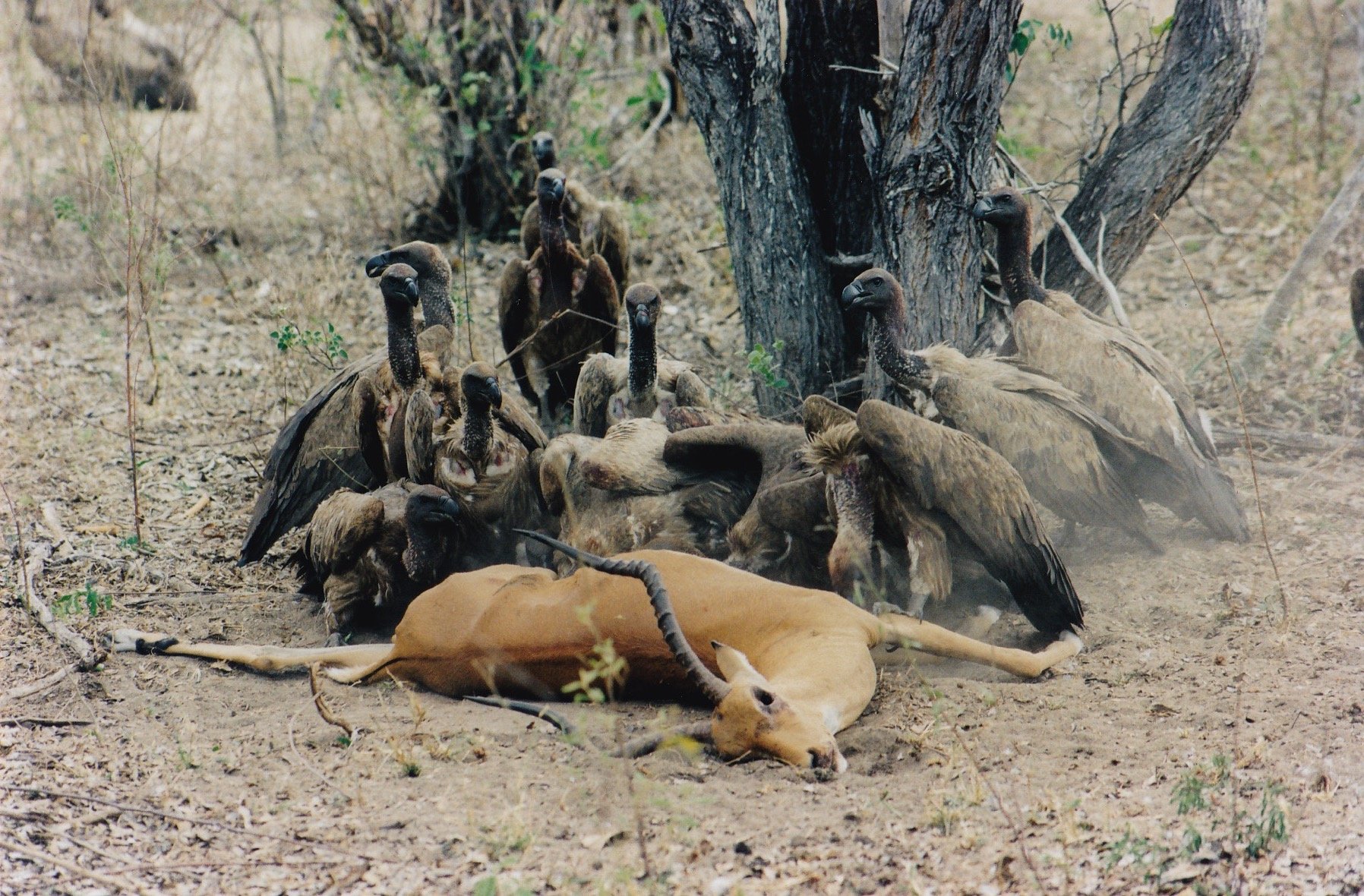
📸: Vultures cleaning up in Saadani National Park
The real draws are the green turtles that nest on the beaches (November to February), the boat safaris on the Wami River where you'll see hippo and crocodile, and the chance to combine traditional game drives with dhow cruises and beach time. It's more about the unusual setting than big game concentrations, but it combines nicely with Zanzibar. Best visited during the dry season (June to October and January to February).
Mahale Mountains National Park is primarily for chimpanzee trekking rather than traditional safari, but the lakeside setting on Lake Tanganyika is spectacular. The park is home to around 800 chimpanzees, and the habituation of the M-group (around 60 individuals) means you can observe them at relatively close quarters. Watching chimps groom, play, hunt, and interact is extraordinary – they share 98% of our DNA, and you'll feel that connection.
Beyond chimps, the forest supports red colobus monkeys, red-tailed monkeys, and yellow baboons. The birdlife includes several forest specialists. Access is by light aircraft only, making it expensive and time-consuming to reach, but worthwhile for primate enthusiasts. Best visited during the dry season (May to October).
Gombe Stream National Park, made famous by Jane Goodall's research, is Tanzania's smallest national park. Like Mahale, it's all about the chimps – the habituated Kasakela community has been studied continuously since 1960, making them the most researched wild chimpanzees in the world. You'll also see olive baboons (another of Goodall's study subjects), red colobus monkeys, and red-tailed monkeys. Access is by light aircraft to Kigoma, then boat transfer. The dry season (June to October) offers the best trekking conditions.
Planning Your Southern Circuit Safari
These southern and western parks work well together. A classic itinerary might combine Nyerere (3-4 nights) with Ruaha (3-4 nights), possibly adding a few days on Zanzibar. The more adventurous might tackle Katavi combined with Ruaha, or even add Mahale for chimps.
The beauty of these parks is their flexibility outside peak season. If you can travel in May, early June, or November, you'll often find significant savings on accommodation whilst still enjoying excellent wildlife and that exclusive bush experience that's increasingly rare in Africa's more famous parks.
The logistics require more flying and careful planning than the northern circuit, but that's precisely what keeps them special.
The Perfect Ending: Zanzibar Archipelago
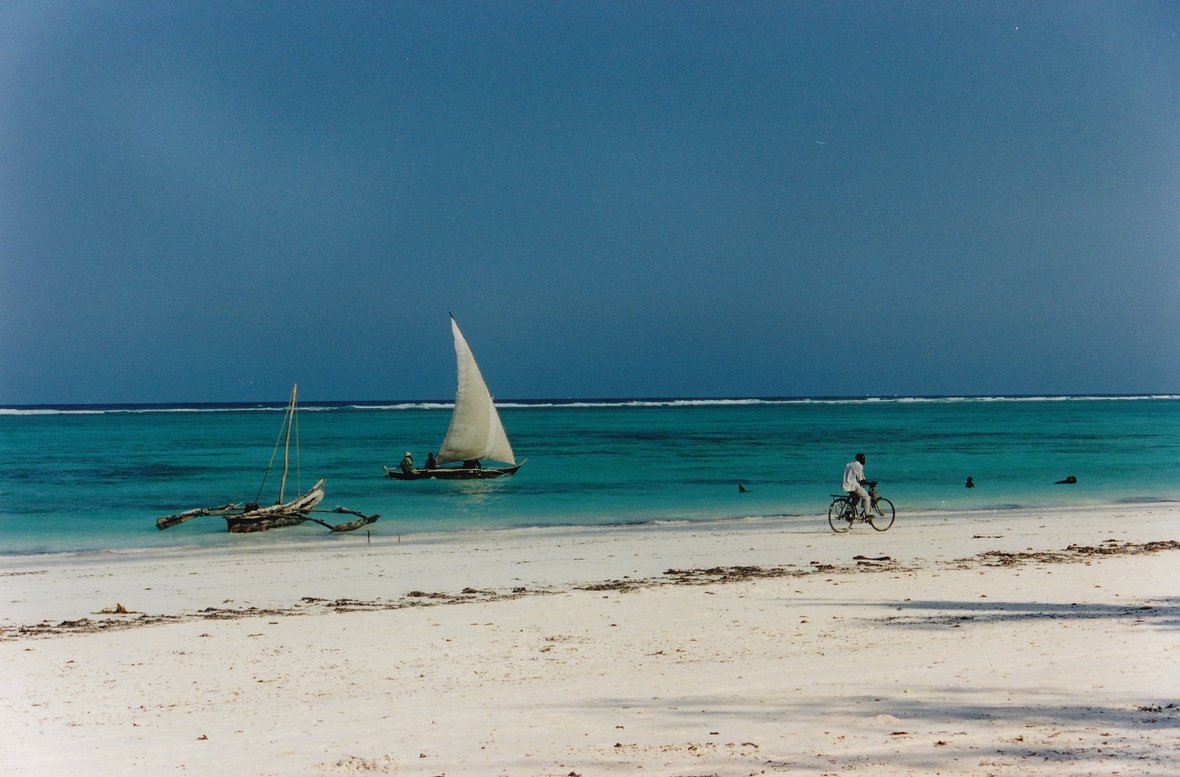
📸: Traditional modes of transport on Zanzibar’s beaches
After days of early morning game drives and sundowners in the bush, the Zanzibar archipelago offers the ideal counterpoint. The flight from Nyerere is just an hour, making it effortlessly accessible from the southern parks.
Zanzibar itself needs little introduction: Stone Town's UNESCO-listed maze of streets, spice tours, and those extraordinary Indian Ocean beaches with powder-white sand and turquoise water. But the archipelago offers more nuanced options too.
For a quieter, more exclusive experience, consider Pemba Island to the north. It's less developed than Zanzibar, with excellent diving and snorkelling on pristine reefs. Or head to Mafia Island, which sits closer to the southern parks and offers world-class diving, particularly from October to March when whale sharks congregate. The pace here is wonderfully slow, the beaches are largely empty, and you'll feel genuinely off the beaten track.
Whether you choose three nights or a full week, a beach extension transforms your safari into a properly balanced holiday. You'll return home tanned, rested, and with your head still full of wild dogs and hippo pods – the perfect combination.