
Where to See Cheetahs in Africa: Best Safari Destinations for Spotting the World's Fastest Cat
Planning an African safari and dreaming of witnessing a cheetah hunt in the wild? I've encountered many of these gorgeous spotted cats during my decades of travels across Africa's finest wilderness areas, and I'm here to share my ideas for the absolute best destinations for cheetah sightings on your African safari adventure.
Cheetahs are unlike any other big cat you'll encounter on safari. Built for pure speed rather than power, these elegant predators captivate wildlife enthusiasts with their distinctive tear-marked faces, slender builds, and explosive acceleration that reaches up to 120 kilometres per hour. But where should you head to maximise your chances of witnessing these remarkable cats in their natural habitat?
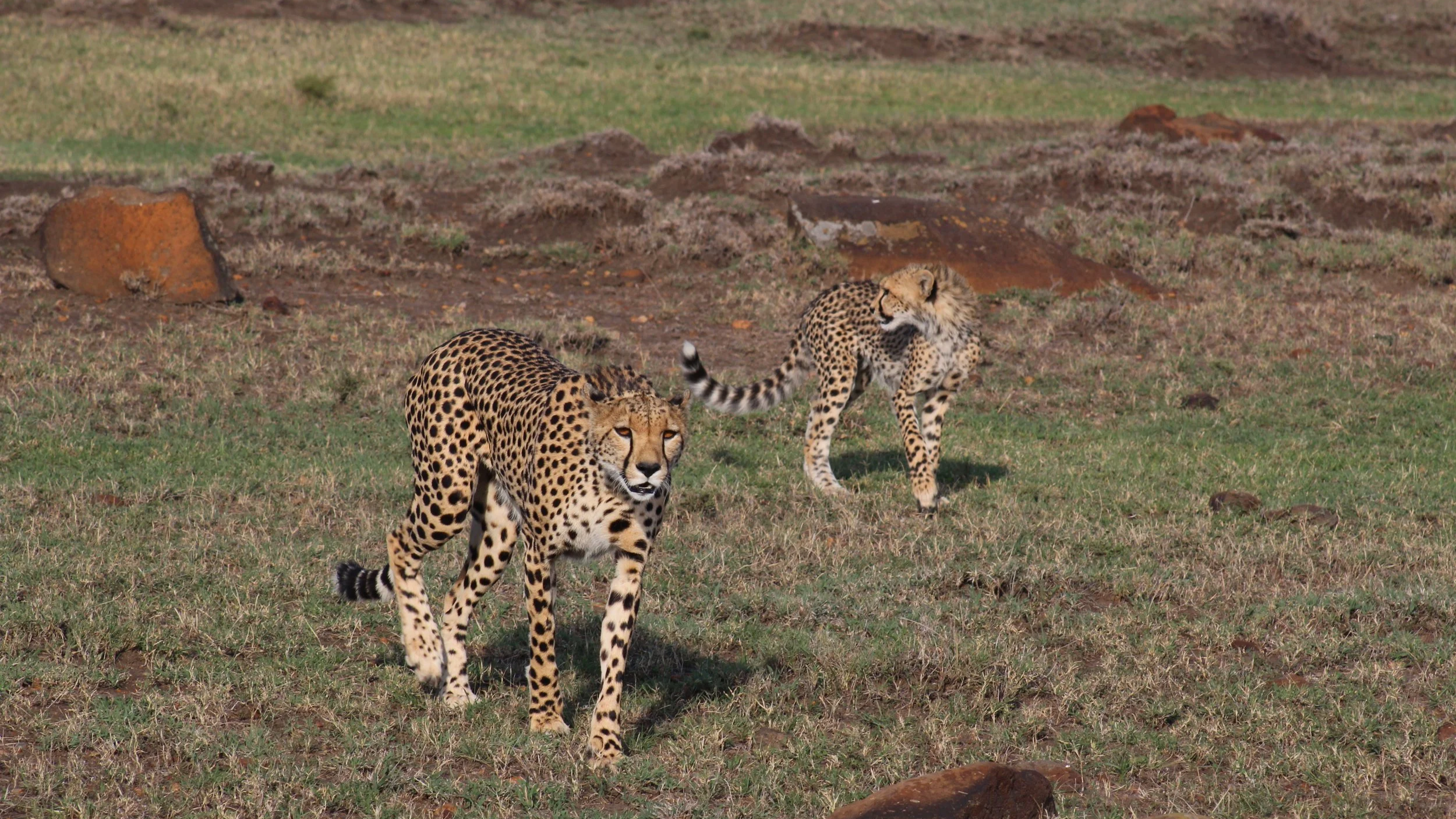
📸 : Mother & cub on Kenya’s Naboisho Conservancy
Understanding Africa's Wild Cheetah Populations
Africa's cheetah population tells a sobering conservation story. From an estimated 100,000 cheetahs roaming the continent a century ago, current numbers have plummeted to approximately 6,500-7,000 mature individuals remaining in the wild. This represents a staggering 90% decline, making cheetahs one of Africa's most vulnerable big cats, classified as Vulnerable on the IUCN Red List.
The decline stems from habitat loss, human-wildlife conflict, prey depletion, and the illegal wildlife trade. Unlike leopards which thrive in diverse habitats, cheetahs require vast open grasslands and savannas to hunt successfully. This dependency on specific ecosystems makes them particularly vulnerable to habitat fragmentation across Africa.
Today, approximately one-third of the world's wild cheetah population lives in southern Africa, with the largest concentrations in Namibia (2,500-3,000), Botswana (approximately 2,000), Tanzania (900-1,000), and Kenya (around 200-250 in the Mara-Serengeti ecosystem). The safari destinations I recommend below represent cheetah conservation strongholds where populations remain stable or are even recovering under careful wildlife management.
Why Cheetahs Are Extraordinary Safari Sightings
Cheetahs are the world's fastest land mammals, capable of reaching speeds up to 110-120 kilometres per hour in short bursts during hunting pursuits. But their appeal on African safaris extends far beyond raw speed. These are diurnal hunters, meaning unlike leopards which prowl by night, cheetahs hunt during daylight hours – making them far more accessible for game viewing during morning and afternoon safari drives.
Masters of Speed: Cheetah Hunting Behaviour
Watching a cheetah hunt ranks amongst the most thrilling wildlife experiences any African safari offers. Unlike the ambush tactics employed by leopards and lions, cheetahs rely on open pursuit across grasslands. They stalk their prey through savanna vegetation, getting as close as possible before launching their explosive chase. The entire hunt unfolds in seconds – a blur of speed, agility, and precision that rarely exceeds 300 metres.
Their semi-retractable claws provide traction during high-speed chases, whilst their long muscular tail acts as a rudder for lightning-quick directional changes. After the exhausting sprint, cheetahs are completely depleted so must rest and cool down before they can begin feeding – a vulnerable period when larger predators like lions and hyenas often steal their hard-won kills.
Selective Hunters: Cheetah Prey and Diet
Cheetahs specialise in medium-sized prey species on African safaris, typically hunting animals weighing 20-60 kilograms. Their preferred targets include Thomson's gazelles, impalas, springbok, and young wildebeest or zebra. They generally avoid the larger prey that other big cats tackle, as their lightweight build isn't suited for overpowering substantial animals.
This dietary preference explains why cheetahs thrive in open grasslands and savannas where their favoured prey species are abundant. Understanding seasonal prey distribution is key to finding cheetahs on safari.
Adorable Cheetah Cubs
Cheetah cubs are amongst the cutest wildlife sightings on any African safari. Born with a distinctive fluffy silver-grey mantle running along their backs and heads, these adorable cubs possess a remarkable adaptation – their fuzzy mane is believed to mimic the appearance of the fierce honey badger, deterring potential predators during their vulnerable early months. As the cubs mature, this protective mantle gradually disappears, revealing the classic cheetah spotted coat.
Maasai Mara National Reserve & Conservancies, Kenya: Premier Cheetah Safari Destination
Best for: Guaranteed cheetah sightings, observing coalitions, cultural safari experiences
If I could recommend just one African safari destination for cheetah encounters, Kenya's Maasai Mara ecosystem would be my top choice. This extraordinary landscape supports East Africa's highest cheetah density, offering unparalleled opportunities for observing hunting behaviour and social dynamics during your wildlife safari.
Thriving Kenya Cheetah Populations
The greater Mara ecosystem supports an estimated 200-250 cheetahs – one of the continent's most significant populations concentrated in an accessible safari area. The combination of open grasslands, abundant prey, and relatively low lion and hyena densities creates ideal conditions for cheetah success. Research shows the Mara's cheetah population has remained stable over the past decade, bucking the wider continental decline trend.
Why the Mara Excels for Cheetah Viewing
The Mara's short-grass plains provide perfect cheetah habitat for safari viewing. Excellent visibility means you can spot these cats from considerable distances during game drives, and the open terrain allows you to watch entire hunts unfold from start to finish. During the Great Migration season (July-October), prey density reaches extraordinary levels, and cheetahs are particularly active hunters – offering spectacular wildlife photography opportunities.
What makes the Mara truly special for safari enthusiasts is the opportunity to observe cheetah coalitions – groups of related males who hunt and defend territories together. These coalitions are more successful hunters than solitary individuals and display fascinating social behaviours.
The private conservancies surrounding the main Maasai Mara National Reserve offer exclusive cheetah viewing with strict vehicle limits. Areas like Naboisho Conservancy, and Olare Motorogi Conservancy provide incredibly intimate wildlife safari experiences. Here, you might watch a mother with cubs over extended periods, observing her teaching them essential hunting skills – unforgettable moments for any safari photographer. There are some fabulous lodges in these Conservancies, Saruni Basecamp’s Eagle View, and Great Plains’ Mara Plains Camp to name just a couple.
Planning Your Maasai Mara Safari
For the ultimate cheetah safari experience, I recommend splitting your time between a private conservancy (for exclusive viewing) and the main reserve (for migration spectacle if timing aligns). Three to four nights allows multiple cheetah encounters and increases chances of witnessing dramatic hunts.
Best time to visit: January-March and July-October. January-March offers excellent visibility with fewer safari vehicles, whilst July-October combines cheetah viewing with the spectacular Great Migration.
Serengeti National Park, Tanzania: World-Class Cheetah Safari
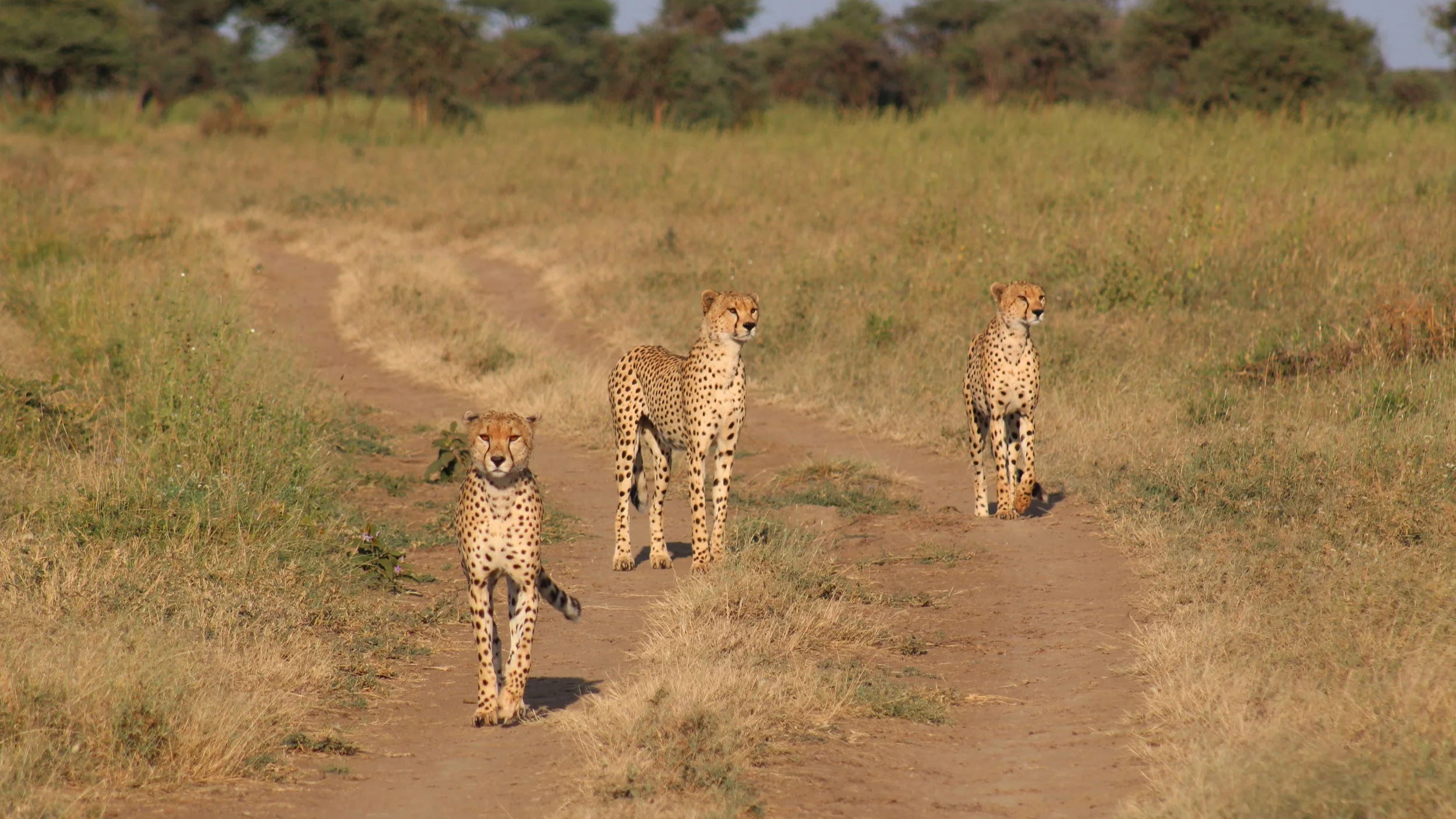
📸; A coalition of cheetah in the Namiri Plains area of Tanzania’s Serengeti
Best for: Vast wilderness safari, migration movements, wildlife photography
Tanzania's Serengeti National Park is cheetah paradise for safari enthusiasts. This vast ecosystem supports approximately 300-400 cheetahs distributed across its 14,763 square kilometres of savanna grasslands – one of Africa's largest cheetah populations offering exceptional game viewing opportunities.
The Serengeti Advantage for Safari Planning
The Serengeti's sheer scale means different regions offer prime cheetah viewing at different times, following the movement of the Great Migration. The southern Serengeti plains (Ndutu area) are exceptional from December-March when hundreds of thousands of wildebeest and zebra calves are born. During these months, cheetahs enjoy abundant easy prey, and safari sightings are frequent.
From June-October, the northern Serengeti and western corridor host excellent cheetah populations as prey movements shift across this Tanzania safari destination. The varied terrain – from endless short-grass plains to kopjes (rocky outcrops) and acacia woodlands – supports diverse hunting strategies that make for compelling wildlife viewing.
What Makes Serengeti Special for Wildlife Safaris
Serengeti cheetahs often use termite mounds and kopjes as vantage points for spotting prey during hunts. Watching a cheetah survey the landscape from atop a termite mound, calculating its next move, offers spectacular photographic opportunities for safari guests. The dramatically open landscape and often-stunning light conditions make the Serengeti a wildlife photographer's dream safari destination.
The Serengeti also supports excellent cheetah research programmes that enhance conservation efforts. Some individuals are collared and monitored, and your safari guide might share fascinating data about specific animals' territories, hunting success rates, and family histories.
Namiri Plains is located in the eastern Serengeti, in an area that was closed to tourism for about 20 years specifically to allow cheetah populations to recover. This protection period allowed cheetahs to thrive without tourism pressure, and the area developed a reputation for exceptional cheetah sightings.
The landscape is classic cheetah habitat - open plains with scattered acacia, excellent visibility, and good prey populations (particularly Thomson's gazelles). The relatively flat terrain and sparse vegetation make it ideal for cheetah hunting behaviour and for guests to witness it.
Planning Your Serengeti Safari Experience
If you have the time I recommend combining the Serengeti with Kenya's Maasai Mara for the ultimate East African big cat safari, or pairing it with Ngorongoro Crater and Tarangire National Park for a comprehensive northern Tanzania safari circuit. In the Serengeti four nights minimum allows you to experience different areas as prey movements dictate cheetah distribution. My favourite place to stay in the Serengeti to find cheetah is Asilia’s Namiri Plains Camp.
Best time to visit: December-March (southern Serengeti), June-October (northern Serengeti and western corridor)
Namibia: The Cheetah Capital of the World
Best for: Cheetah conservation experiences, farmland sightings, educational safari opportunities
Namibia holds a unique distinction in African safari tourism – it's home to the world's largest wild cheetah population, with an estimated 2,500-3,000 individuals representing roughly 25% of the global population. Even more remarkable, approximately 90% of these Namibian cheetahs live outside protected areas on commercial farmlands, creating conservation challenges.
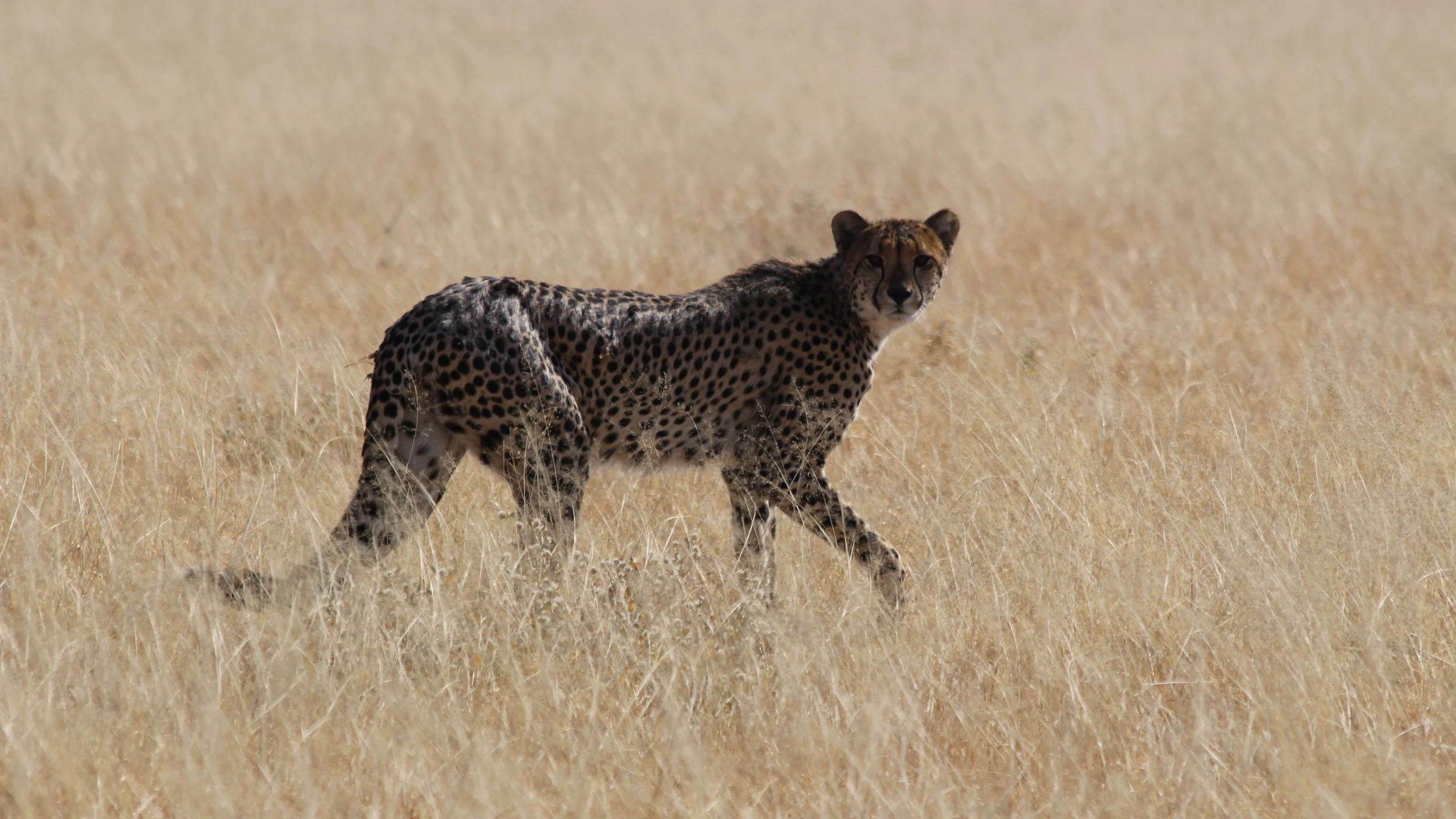
📸: A cheetah taking a stroll in Namibia
A Different Cheetah Conservation Story
Namibia's cheetah population has stabilised and even grown over recent decades thanks to innovative conservation approaches that balance farming interests with wildlife protection. The country's vast landscapes, including the Kalahari Basin, coastal deserts, and central farmlands, provide diverse cheetah habitats perfect for safari exploration.
The Cheetah Conservation Fund: World-Leading Safari Education
Founded in 1990, the Cheetah Conservation Fund (CCF) near Otjiwarongo has become the world's leading centre for cheetah research and conservation, offering unique educational safari experiences. Their holistic approach includes groundbreaking programmes like the Livestock Guarding Dog initiative, which provides Anatolian shepherds to Namibian farmers – proven to reduce livestock losses by over 80% without killing predators.
Visiting CCF offers educational safari experiences beyond typical game viewing. You can learn about cutting-edge research programmes, meet some of their ambassador cheetahs (cats unable to return to the wild due to injuries or habituation), and understand the complex challenges of human-wildlife coexistence on African farmlands. The centre is conveniently located approximately three and a half hours from Windhoek, making it perfect for including in broader Namibian safari itineraries.
The AfriCat Foundation at Okonjima Nature Reserve
The AfriCat Foundation, based at the stunning 22,000-hectare Okonjima Nature Reserve near Otjiwarongo, has evolved from rescue and rehabilitation work to focus on conservation research. Whilst they've ceased cheetah rehabilitation in recent years due to high leopard densities in the reserve, Okonjima remains one of Namibia's premier safari destinations for cheetah viewing alongside leopards, brown hyenas, and the rare pangolin.
Staying at one of Okonjima's luxury safari lodges provides opportunities to track cheetahs through beautiful deciduous woodland and learn about ongoing predator research during guided safari activities. The foundation's "Behind the Science" experiences allow safari guests to participate in wildlife monitoring and understand how protected areas contribute to long-term conservation strategies in Africa.
Cheetahs in Etosha National Park
Etosha National Park, one of Africa's most accessible self-drive safari destinations, supports healthy cheetah populations particularly in the eastern regions of the park. The vast Etosha Pan and surrounding plains provide classic cheetah habitat, and wildlife sightings are regularly reported, especially during the dry season when animals concentrate around waterholes – offering excellent game viewing opportunities.
Planning Your Namibian Cheetah Safari
I recommend combining several elements for the ultimate Namibian safari experience: a visit to CCF for conservation education and insights, Okonjima for luxury accommodation and predator tracking, and Etosha National Park for traditional game viewing. This creates a comprehensive understanding of Namibian cheetah conservation whilst delivering exceptional wildlife encounters throughout your safari. As always I like to recommend private conservancies for a more exclusive experience and my favourites in the Etosha area are Onguma and Ongava.
Best time to visit: May-October (dry season with concentrated wildlife and comfortable temperatures for safari activities)
Liuwa Plain & Kafue National Parks, Zambia: Africa's Hidden Cheetah Safari Gems
Best for: Authentic wilderness safari, uncrowded game viewing, conservation success story
If you're seeking an exclusive safari experience truly off the beaten track, Zambia offers two exceptional cheetah destinations that showcase remarkable conservation success. Liuwa Plain National Park in remote western Zambia is home to Zambia's largest cheetah population, while the more accessible Busanga Plains in northern Kafue National Park provides another outstanding option for cheetah encounters away from East African crowds.
A Conservation Triumph at Liuwa Plain
Liuwa Plain supports over 40 cheetahs – an extraordinary achievement given the population had crashed to just a single individual in 2008. Through dedicated conservation efforts by African Parks in partnership with local communities, this has become one of Africa's greatest cheetah recovery stories. The dramatic population growth demonstrates how community-led conservation combined with responsible safari tourism can save threatened species across Africa.
Why Choose Liuwa Plain for Your Safari
Liuwa Plain's vast floodplains create hauntingly beautiful landscapes reminiscent of the Serengeti but without the safari crowds. The annual wildebeest migration here (Africa's second-largest) attracts cheetahs hunting during the calving season from November-December, providing spectacular wildlife viewing opportunities.
What sets Liuwa apart from other African safari destinations is exclusivity. With only one permanent safari camp in the entire park, you might be the only vehicle observing a cheetah for hours on end. This level of intimacy with wildlife simply isn't possible in more popular safari parks.
The grasslands support healthy populations of red lechwe, wildebeest, and tsessebe – ideal cheetah prey species. The open terrain provides exceptional visibility for observing hunts during game drives, and the lack of safari vehicles means cheetah behaviour is more natural and less habituated to humans.
Kafue's Busanga Plains: The More Accessible Alternative
For travellers seeking excellent cheetah sightings with easier logistics, Kafue National Park's Busanga Plains offers a compelling alternative. This seasonal floodplain ecosystem in Zambia's largest national park supports a healthy cheetah population with very good sighting opportunities, particularly during the dry season (June-October) when the plains are accessible.
While not as remote as Liuwa, Busanga still offers genuinely uncrowded game viewing with only a handful of small camps in the area. The open grasslands provide ideal cheetah habitat and excellent visibility for observing hunts. Kafue's greater accessibility, more flexible transport options (drivable from Lusaka), and wider selection of lodges make it the more practical choice for most safari itineraries, while still delivering that exclusive Zambian wilderness experience.
Planning Your Zambian Cheetah Safari Adventure
Both destinations work beautifully combined with South Luangwa National Park for a comprehensive Zambian safari focusing on both cheetahs and leopards – the ultimate big cat safari experience. Liuwa Plain requires charter flights and commands premium pricing, but delivers unparalleled exclusivity and intimacy with wildlife. Kafue offers more flexible access options and a wider range of accommodation price points while still providing excellent cheetah encounters.
Best time to visit Liuwa Plain: November-December (wildebeest migration and calving), March-June (dry season with excellent visibility for game viewing)
Best time to visit Kafue's Busanga Plains: June-October (dry season when plains are accessible)
The Unique Challenges Facing Africa's Cheetahs
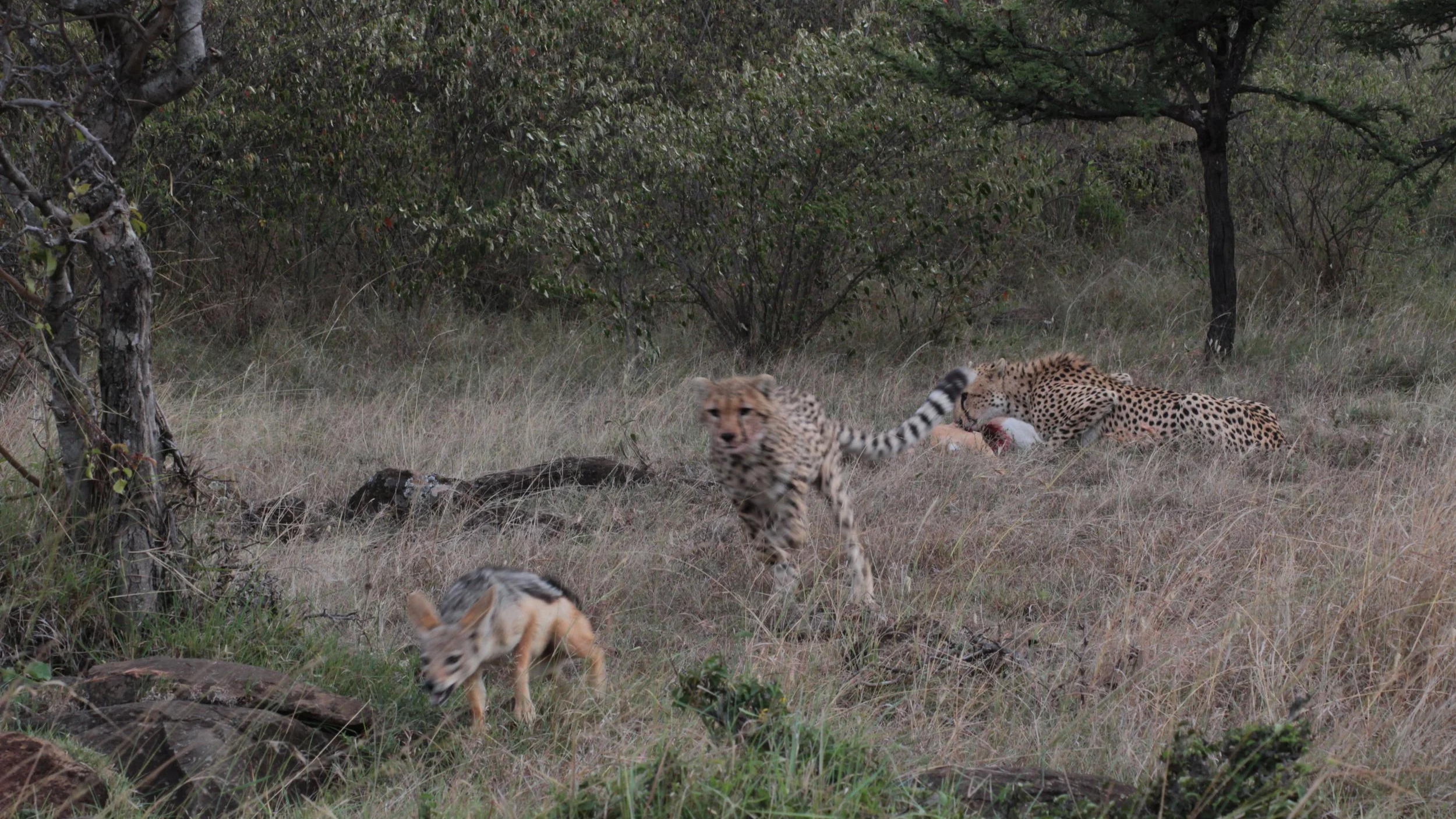
📸: Cheetahs face harassment from Jackals as well as larger predators
Understanding why cheetahs face greater threats than other big cats adds urgency to conservation efforts and makes every safari sighting more meaningful for wildlife enthusiasts.
Genetic Vulnerability in Cheetah Populations
Cheetahs face a unique conservation threat: extremely low genetic diversity across all African populations. Historical population bottlenecks mean all cheetahs today are remarkably similar genetically, making them vulnerable to diseases and reducing reproductive success. This genetic vulnerability is compounded by high cub mortality rates – up to 90% of cubs don't reach independence, falling prey to lions, hyenas, and leopards despite their protective honey badger-mimicking mane.
Human-Wildlife Conflict on African Farmlands
As Africa's human population expands, cheetahs increasingly come into conflict with livestock farmers across safari destinations. Unlike leopards and lions which can adapt to fragmented habitats, cheetahs require vast territories to hunt successfully. They're often killed in retaliation for predation on small livestock like sheep and goats, even though studies show cheetahs prefer wild prey when available.
Competition with Larger Predators
Cheetahs sit in a precarious position in the African predator hierarchy. Lions and hyenas frequently steal their kills during safari viewing opportunities, forcing cheetahs to hunt more frequently and expend precious energy. In areas with high lion and hyena densities, cheetah populations struggle to thrive – important considerations for safari planning.
Illegal Wildlife Trade Threatening Safari Populations
Cheetah cubs are illegally captured for the exotic pet trade, particularly destined for Middle Eastern countries. This devastating practice removes individuals from already vulnerable populations and causes immense suffering. The Cheetah Conservation Fund estimates hundreds of cubs are trafficked annually, directly threatening safari populations across Africa.
How Safari Tourism Supports Cheetah Conservation
Your safari choice directly impacts cheetah survival across Africa. All the safari destinations I recommend demonstrate how well-managed wildlife tourism creates economic incentives for conservation. Safari revenue funds anti-poaching patrols, community conservation programmes, and vital research initiatives essential for protecting cheetah populations.
Organisations like the Cheetah Conservation Fund, AfriCat Foundation, African Parks, and various national park authorities use tourism income from safari bookings to support cheetah monitoring, conflict mitigation programmes (like livestock protection), and environmental education initiatives. When you book a safari focusing on cheetahs, you're contributing directly to these conservation efforts across Africa.
In Namibia particularly, your safari visit to CCF or Okonjima directly funds research that develops scalable solutions for human-wildlife coexistence – solutions being replicated across other cheetah range countries. In Kenya's Maasai Mara conservancies, safari tourism revenue flows directly to Maasai landowners, incentivising them to protect wildlife habitat rather than converting it to agriculture.
Planning Your Perfect Cheetah Safari in Africa
Choosing the Right Safari Destination
Your ideal cheetah safari depends on several factors related to your wildlife viewing priorities:
For guaranteed cheetah sightings and social dynamics: Maasai Mara Conservancies, Kenya
For vast wilderness and migration spectacle: Serengeti National Park, Tanzania
For conservation education and world-leading programmes: Namibia (CCF and Okonjima)
For exclusive, uncrowded safari experiences: Liuwa Plain National Park, Zambia
Timing Your African Safari
Cheetahs hunt during daylight hours, making them accessible during standard morning and afternoon safari game drives. However, they're most active during cooler morning and late afternoon periods. Early morning safari drives (departing at sunrise) and extended full-day game drives increase chances of witnessing dramatic hunts and natural behaviour.
Family Safari Considerations
Cheetahs are generally more relaxed around safari vehicles than leopards, making them excellent for family safaris with children. Young safari enthusiasts are often fascinated by their speed, distinctive tear marks, and adorable cubs with fluffy manes. When planning family cheetah safaris, I consider:
Safari destinations with reliable cheetah sightings to maintain children's interest
Safari lodges offering flexible schedules for varying energy levels
Educational programmes explaining cheetah ecology and conservation efforts
Wildlife photography opportunities suitable for all ages during game drives
Why Work with an African Safari Specialist?
Planning cheetah-focused safaris requires insider knowledge about seasonal prey movements, current population distributions, and which safari areas offer optimal viewing at specific times. As an independent African safari specialist, I maintain close relationships with my partners on the ground across these destinations, ensuring you access the most current information and prime safari locations.
I create bespoke safari experiences tailored to your wildlife interests, budget, and travel style. Whether you're passionate wildlife photographers seeking that perfect cheetah hunt sequence, families wanting educational safari encounters, or luxury safari seekers desiring exclusive game viewing experiences, I design itineraries maximising your cheetah viewing opportunities whilst ensuring comfortable, seamless travel throughout Africa.
All my recommended safari operators demonstrate genuine commitment to conservation. Your safari investment directly supports cheetah protection through community programmes, anti-poaching efforts, and habitat restoration initiatives across Africa.
Ready to Plan Your Cheetah Safari Adventure?
The thrill of watching Africa's fastest predator in full pursuit awaits. From the teeming plains of the Maasai Mara to the conservation heartland of Namibia, from the remote wilderness of Liuwa Plain to the classic savannah of the Serengeti – your perfect cheetah safari experience is just a conversation away.