
From Engineering Sales to African Safari Specialist: What I've Learnt in 6+ Years of Bespoke Safari Planning
How I transformed from engineering technology sales to creating luxury African safari experiences (and survived to tell the tale)
Back in 2017, I left my longstanding role as a Sales Manager in engineering technology with absolutely no plan whatsoever. To be fair, I'd had a pretty good run - I'd helped grow the business from £3 million to over £10 million turnover in less than ten years, recruited and trained a brilliant team, and generally ticked all the corporate success boxes. But I'd peaked, and I knew it.
My solution to this unscheduled career change? Head straight to the wilds of Northern Kenya for a month to figure things out. My friends asked if I'd had a breakdown. My former colleagues wagered I'd be looking for another engineering job within six months.
I never went back to engineering, but it took me another two years to work out what next.
For some time my friends had been asking me to help them plan their African adventures and locally, I'd gained the nickname "Safari Lucie" (which I quite liked, to be honest). So, in April 2019 after the 'n'th request for safari advice, I had a lightbulb moment. I marched down to the local travel agent, knocked on the door and asked them for a job. They said 'yes' (probably more surprised than anything), and my career as an African safari specialist officially began.
Six and a half years later, I'm still happily planning bespoke African safaris and whilst I haven't exactly conquered the African travel industry (yet), I have learnt a few things about flight schedules, weather patterns, and how manage expectations about the cost of a family safari in peak season…
But before I dive into the lessons learnt, let me tell you how a nightmare traveller accidentally set all this in motion.
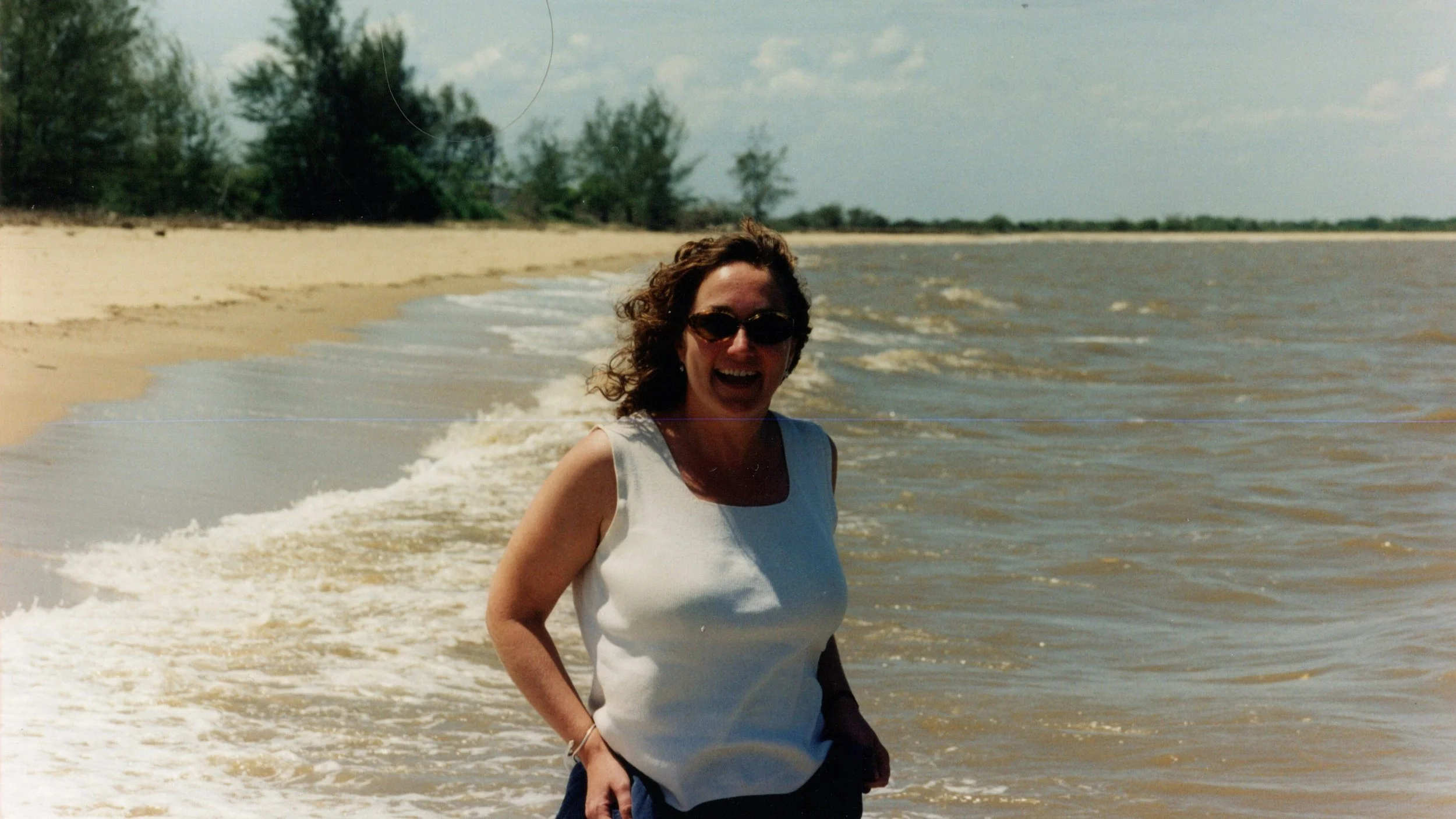
📸: My very first days in Africa, Saadani, Tanzania 1998
Where It All Began (Thanks, Diana from the Tax Office!)
In a student house in the 80s, my friend Tod and I traced on a giant map a route across Europe and down through Africa to Cape Agulhas, dreaming of the day when we'd kit out a Land Rover and drive all the way.
Life intervened. I didn't do the Gap Year Travel thing, working in London instead. My boyfriends were artists, musicians, and later geeks with no desire to travel at all until in the late 90s the stars aligned, I met my partner in crime, and plans were hatched.
After an inaugural trip to Southern India, our love of adventure (and each other) was sealed, and soon we were making plans to visit Africa. We were both busy with work and his commitments as a semi-professional rugby player, so we chose one of those small group adventure trips that promised to take you off the beaten path in Tanzania—as long as you were happy to share your trip with other people.
It was a fantastic safari trip. We arrived at a safari camp on the beach at Saadani - Tanzania's only coastal game reserve - where we promptly drank too much Jack Daniels with our tour leader and went exploring the bush in the dark on foot and survived.
Surviving this reckless start, we traversed Tanzania in a pair of beaten-up Land Cruisers, hiked the Usambara Mountains, got cheerfully ripped off by 'gem' sellers, sampled dodgy local gin, and towards the end of the trip, fly-camped deep in the Selous Game Reserve (now renamed Nyerere National Park).
It was here, in the darkest of nights, sitting by the fire listening to unknown rustlings and whoops, watching our camp cook, Brother Sky, make bread in a tin on the fire, that I knew I'd lost my heart, hopelessly, to the African bush.
However, there was a fly in the ointment, and she was called Diana. She worked for HMRC. She had been on safari before and was an insufferable know-it-all who slightly ruined everyone's enjoyment—and I owe her everything! Diana didn't want to look at lions or leopards if there were Ground Hornbills to be found. She'd correct our guide, share her superior knowledge at every opportunity, and generally make everyone feel like amateur safari tourists.
She cast a shadow over the whole trip. I wanted to experience the wilderness, the sounds of the African night, the peace of the bush, and the joy of meeting locals without Diana constantly one-upping everyone with her vast ornithological knowledge. So the next year we went back to East Africa, and we did it all again under our own steam, by boat, bus, and automobile. My lifelong obsession with planning African adventures was sealed!
Since then, there have been innumerable trips to Kenya, Tanzania, Zambia, Botswana, Namibia, and South Africa—all independently planned safari adventures—where we've explored some of the finest wildlife areas in East and Southern Africa. And in 2008, we finally kitted out a vehicle (Land Cruiser in the end, sorry Tod) and set off for Cape Agulhas, arriving six months later.
We called her Elsie. LC. Get it? And yes, I still have her ❤️

📸: Elsie preparing to cross Lake Nasser from Egypt to Sudan, 2008
From Free Safari Planner to Professional
Six months into my first travel agent job, the Directors and I mutually and very amicably agreed that I was unemployable. Turns out, after years of independent travel and making my own decisions, I wasn't terribly good at following someone else's systems or being told what to do. Who knew?
Then the pandemic hit. Perfect timing, as always. But it gave me time to work as an independent consultant, building my own client base and learning the ropes without the pressure of a thriving travel industry breathing down my neck. Safari Lucie was officially in business, albeit in the strangest possible market conditions.
By late 2022, as travel recovered, I was ready to learn more about how the professional safari industry really worked at scale. I took a job with an established Africa specialist and learnt an enormous amount about the safari ecosystem—suppliers, systems, the whole operational side I'd been winging as an independent.
I also smashed my sales targets. Turns out I was rather good at selling safaris!
But after a year, I'd had enough. I felt like a safari battery hen—just bashing out quotes with no real engagement with the clients. High volume, low connection. It wasn't why I'd got into this business. In January 2023, I left, and on February 1st, 2023, I took my first booking as Lucie Thaxter Safaris.
Finally, I could plan African safaris my way, with proper client engagement and without feeling like I was on a production line.
What could possibly go wrong?
8 Lessons I've Learnt Planning Bespoke African Safaris
Here's what these six plus years have taught me so far about the safari industry, working with clients, and staying sane whilst planning other people's African adventures.
1. Don't Launch Your African Safari Business During a Pandemic (Seriously, Don't)
Looking back, my timing as a new safari specialist was... questionable. Just as I was getting my bearings in 2020, the entire African travel industry imploded. Suddenly, instead of selling dream safari holidays, I was fielding calls about cancelled Tanzania trips, Kenya safari refunds, and whether you could catch Covid from elephants.
The silver lining? It gave me time to properly learn bespoke safari planning without the pressure of constant bookings. Though I wouldn't recommend this particular form of African travel training to anyone with a mortgage.
Pro tip: If you're considering becoming a safari consultant, maybe check there isn't a global pandemic happening first. Just a thought.
2. Match Your Clients and Safaris Carefully
Some people want luxury safari lodges with room service and spa treatments. Others want authentic bush experiences with bucket showers and hippos grunting outside their tent. I'm very honest upfront about what different experiences involve, so clients can choose what's right for them. And I’ve learnt to accept that not everyone is suited to African safari experiences, and that's absolutely fine.
But what really matters to me is sustainable travel and responsible tourism. The importance of preserving Africa's wild spaces through responsible tourism forms the backbone of most of my initial conversations with clients. If conservation and supporting local communities resonates with you, we'll get along brilliantly. If it doesn't, there are plenty of other safari operators out there.
Being selective about clients isn't about being difficult—it's about ensuring everyone has the right African adventure for them.
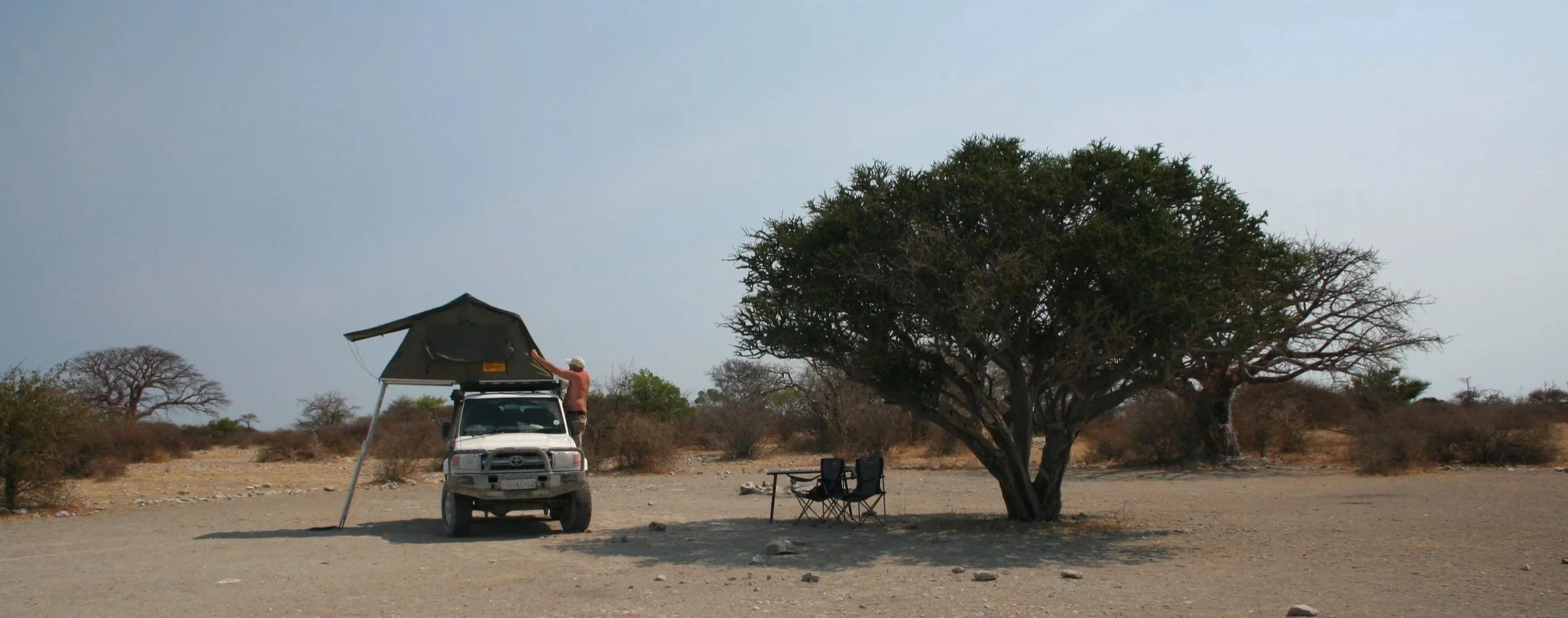
📸: Pitching up in the Makgadikgadi Pans, Botswana 2010
3. Master African Safari Knowledge – There's No Room for Guesswork When Lions Are Involved
In my old engineering sales job, I could wing my way through most conversations with a bit of humour and some creative interpretation of product benefits.
Try that with safari planning and someone ends up in the wrong East African country during the wrong season, watching empty Kenyan plains whilst wondering where all the Great Migration wildebeest went.
Here's where my 20+ years of independent African travel became invaluable. I'd already made mistakes—like booking accommodation that looked great online but was actually dire in person. The difference is, I'd made those mistakes on my own trips, not on someone else's once-in-a-lifetime African safari.
African safari holidays are complex on multiple levels: seasonal weather patterns, animal movements, safari camp standards, complex flight connections, visa requirements, vaccination needs... The list goes on. And if you get safari advice wrong, you've potentially ruined someone's dream African adventure.
There's no room for "probably" or "I think" when someone's asking about malaria risk in Zambia or whether that remote Botswana airstrip can handle their connecting flight. You either know your African safari facts from actual experience, or you find out. Quickly.
4. You Can't Be an Expert About Every African Safari Destination (And That's Absolutely Fine)
Initially I thought I had to be the definitive safari expert on all of Africa. Spoiler alert: Africa is quite large, and each safari destination has unique complexities.
Take Zimbabwe, for example. I visited Victoria Falls back in 2002—it was spectacular, obviously—but that's it. One visit over 20 years ago doesn't make me a Zimbabwe expert, no matter how much I felt I ought to add another country to my roster.
For ages, I felt I should be selling Zimbabwe. After all, it's got incredible wildlife areas and some clients ask about it. But here's what I finally accepted: I don't need to be an expert on Zimbabwe when Zambia offers very similar safari experiences—and I absolutely LOVE Zambia. I've been there multiple times, I know the camps, I understand the seasonal patterns, and I can speak from genuine experience.
It's better to be genuinely expert and passionate about specific African safari regions than mediocre across everything. Now I focus on East Africa (Kenya, Uganda and Tanzania) and Southern Africa (Botswana, Zambia, Namibia, and South Africa) where my safari knowledge from years of personal travel is strongest, and I’m happy to admit when destinations are outside my speciality. Clients appreciate the honesty far more than they'd appreciate me winging it.
5. Build Relationships with the Best African Safari Operators
Once I accepted I couldn't (and shouldn't) be expert in everything, I focused on building relationships with people who could fill the gaps.
Those years of independent African travel taught me who the real experts were. I'd met incredible safari guides, stayed at camps run by passionate managers, and learnt which ground operators actually delivered what they promised. When I started my safari business, these relationships became invaluable. My time at the Africa specialist also taught me how crucial strong supplier relationships are—it's the backbone of the entire operation.
I've got ground operators who've lived in Kenya, Tanzania, and Botswana for decades, safari guides who know every watering hole and seasonal migration pattern, and contacts who can tell me which general manager has just left and where they've gone (crucial information when your safari clients specifically requested "that lovely chap who showed us the elephants during our last African safari").
But here's the key insight: having excellent partners means I can confidently sell destinations I don't know intimately myself. When a client asks about Zimbabwe or a Rwanda safari, I can rely on specialists who live and breathe those destinations. I'm not pretending to be the expert—I'm getting help from the real experts. My clients get better service, and I can offer a wider range of destinations without compromising on quality or authenticity.
My job as a safari consultant isn't to know everything; it's to know who knows everything about each African safari destination and trust them completely.
6. Stay Current with African Safari Destinations – What Was Great in 2012 Might Not Be So Good Now
That luxury safari lodge I recommended based on my own glowing experience from 2008? It's now got new management, the previous owner sold up, and the safari experience standards have plummeted. The "exclusive" location in the Masai Mara that was perfect five years ago? There are now three new safari camps within spitting distance.
Safari recce trips aren't a luxury for a safari specialist; they're an essential business investment. You can't rely on experiences from years ago, even your own magical ones. Though try explaining to your accountant that visiting Botswana safari camps is a legitimate business expense.
7. Build Good Systems and Trust Them
My years as a Sales Manager taught me the importance of systems. In the African safari world, good systems aren't optional—they're essential. Detailed booking confirmations, clear communication protocols with suppliers, checklists for visa requirements and vaccination needs, automated reminders for flight confirmations and a cool travel app for my clients that details all arrangements —all of this creates a safety net that catches problems before they happen.
I struggled at first - the key for me was learning to trust those systems once they're in place. If you've built robust processes and work with reliable suppliers, constant double-checking undermines efficiency (and irritates the hell out of people!). Now I check at the right points, not constantly. The systems handle the detail work, so I can focus on what really matters—creating exceptional safari experiences for my clients.
Though I still check flights twice. Some habits die hard, and that's probably a good one to keep.
8. African Safari Success Lives in the Details
Details matter in all sales roles, but bespoke safari planning takes this to an entirely new level.
It's not just about booking safari flights; it's about understanding that the 2pm connection in Nairobi won’t work if the 11am internal flight is delayed by weather. It's knowing that the rains in April make certain roads to Tanzanian safari camps impassable, so that gorgeous remote lodge becomes unreachable.
All those years of independent African travel taught me to plan for contingencies. I've been stuck at remote airstrips, dealt with closed border crossings, navigated around political situations, and learnt which seasons are best for specific wildlife viewing—not what the brochures say, but what actually happens on the ground.
It's tracking seasonal wildlife patterns, movements of the Great Migration between Kenya and Tanzania, which safari camp general manager has just left which luxury lodge (and whether they were the good one or the one everyone complained about), and remembering that Mrs. Johnson specifically requested a safari tent close to the main area because of her reduced mobility.
One tiny oversight in safari planning – a missed vaccination requirement, a closed border crossing between African countries, a safari camp that's temporarily shut for renovations – can derail an entire African holiday.
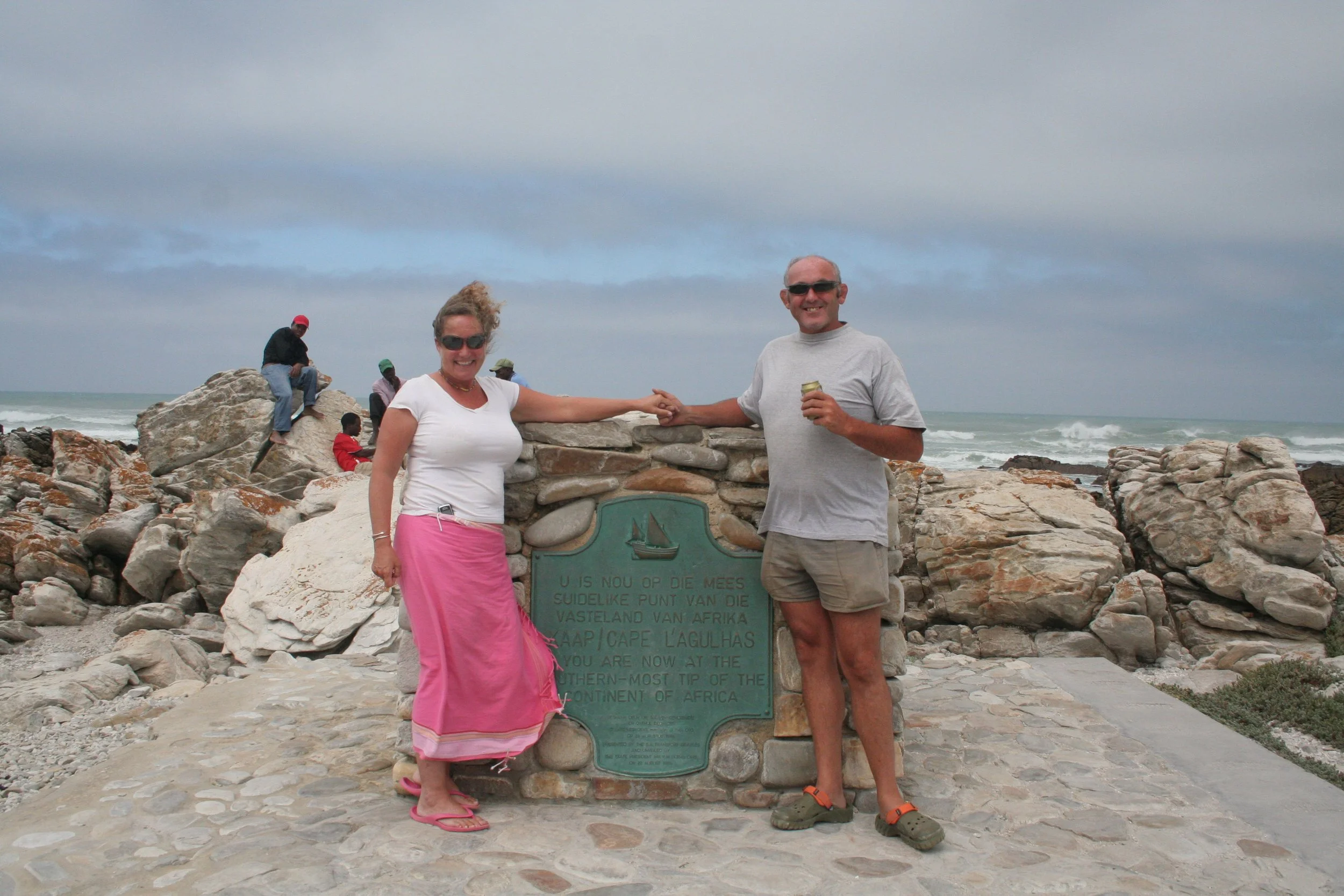
📸: Made it! Henley on Thames to Cape Agulhas, South Africa 2009
The Bottom Line for Aspiring Safari Specialists
Would I go back to my old engineering technology sales job? Not a chance. Do I sometimes miss the steady paycheque and not having to explain that African safaris are seasonal? Absolutely.
But this life as a safari consultant? It's terrifying, occasionally ridiculous, and sometimes makes me question my sanity. It's also the best decision I've ever made.
Those decades of African travel—from that first reckless night exploring Saadani on foot after too much Jack Daniels, to finally reaching Cape Agulhas in my beloved Land Cruiser, to all the safari adventures—weren't just holidays. They were apprenticeships. I just didn't know it at the time.
These days, instead of celebrating quarterly engineering sales numbers, I celebrate emails from safari clients sharing photos of their African adventures. Instead of selling high tech products, I'm selling luxury safari experiences people will treasure for ever.
And yes, I'm doing just fine as an African safari specialist. Though leaving engineering technology sales in 2017 with no plan and buggering off to Kenya probably wasn't my most sensible moment.
Tod, if you're reading this—I finally did it, mate. Just took me 30 years and a detour through engineering sales to get there.